
Hair transplant for women, in plain terms
A hair transplant for women moves your own follicles from the denser back and sides of the scalp into thinning areas, most often the parting, the crown, or a receding temple. For the right candidate it can restore density with natural, permanent hair [1]. But a transplant is not right for every woman with thinning hair: female hair loss often has a medical or diffuse cause that a transplant alone does not treat, so the first step is finding out why the hair is thinning.
This page explains what causes female hair loss, whether you are a candidate, and how the procedure (usually DHI) works for women. Prices are in the Cost section below; package details are on our hair transplant packages in Turkey page.
- Since 2016, caring for international patients
- Specialist-led, under the leadership of a plastic surgery specialist (plastic, reconstructive and aesthetic surgery), planning and design are carried out by physicians certified in hair transplantation
- Hospital environment, procedures in a fully equipped hospital
- 12-month follow-up, with a clear revision policy
- Languages, English, Turkish, German, Russian, Romanian
What causes female hair loss
Women lose hair for different reasons than men, and the cause changes what can help [3]. The common ones:
- Female pattern hair loss (androgenetic). Gradual, diffuse thinning across the top of the scalp, usually keeping the front hairline. This is the pattern most suited to a transplant, once it is stable [1].
- Telogen effluvium. Sudden, widespread shedding after childbirth, illness, stress, surgery or a crash diet. It is usually temporary and recovers on its own; a transplant is not the answer [3]. Supportive hair treatments can help the recovery; see our hair treatments page.
- Traction alopecia. Hair loss along the hairline and temples from tight styles (braids, ponytails, extensions). Caught early it can recover; long-standing cases may suit a transplant.
- Medical causes. Thyroid disease, iron deficiency, and some medications thin the hair and are treated medically first [4].
- Scarring alopecias and active alopecia areata. These are assessed and managed before any transplant is considered [2].
Because the cause matters so much, we start with an assessment rather than assume a transplant is the right step.
Is a woman a good candidate?
A transplant works best when the loss is stable and there is a healthy donor area to draw from. You may be a good candidate if you have female pattern thinning with a strong donor, a receding or high hairline you want lowered, or traction loss along the front that has settled [1].
It is generally not the right first step if [2]:
- the shedding is recent, diffuse or still changing (possible telogen effluvium),
- an untreated medical cause (thyroid, iron, medication) is likely,
- there is active alopecia areata or a scarring alopecia,
- the donor area is itself thin, so there is not enough hair to move.
We say so plainly at the assessment rather than start a procedure that cannot deliver, and we point you to the right treatment if a transplant is not it.
DHI for women
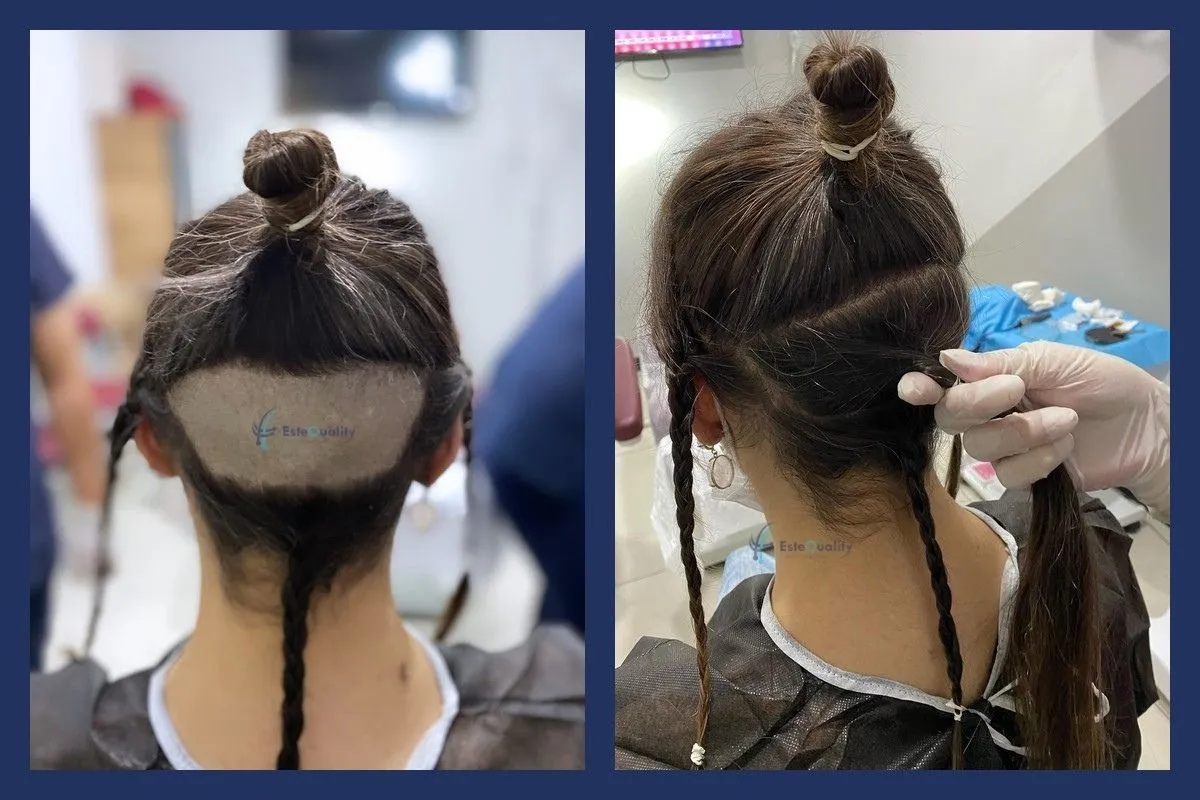
Most women are treated with DHI hair transplant, because it fits how women’s hair loss and hairstyles work. With DHI, grafts are placed one by one between existing hairs with an implanter pen, at the angle and direction of your own hair, so density is added without disturbing the hair around it [1]. The key practical point for women: the top of the head is not shaved. Depending on the plan, only a small donor strip at the back is trimmed and stays hidden under the surrounding hair, so you can keep your length. A typical session for female pattern thinning is 1,500 to 3,000 grafts , planned to your donor capacity rather than a fixed number. How DHI works in general is set out on our DHI hair transplant page.
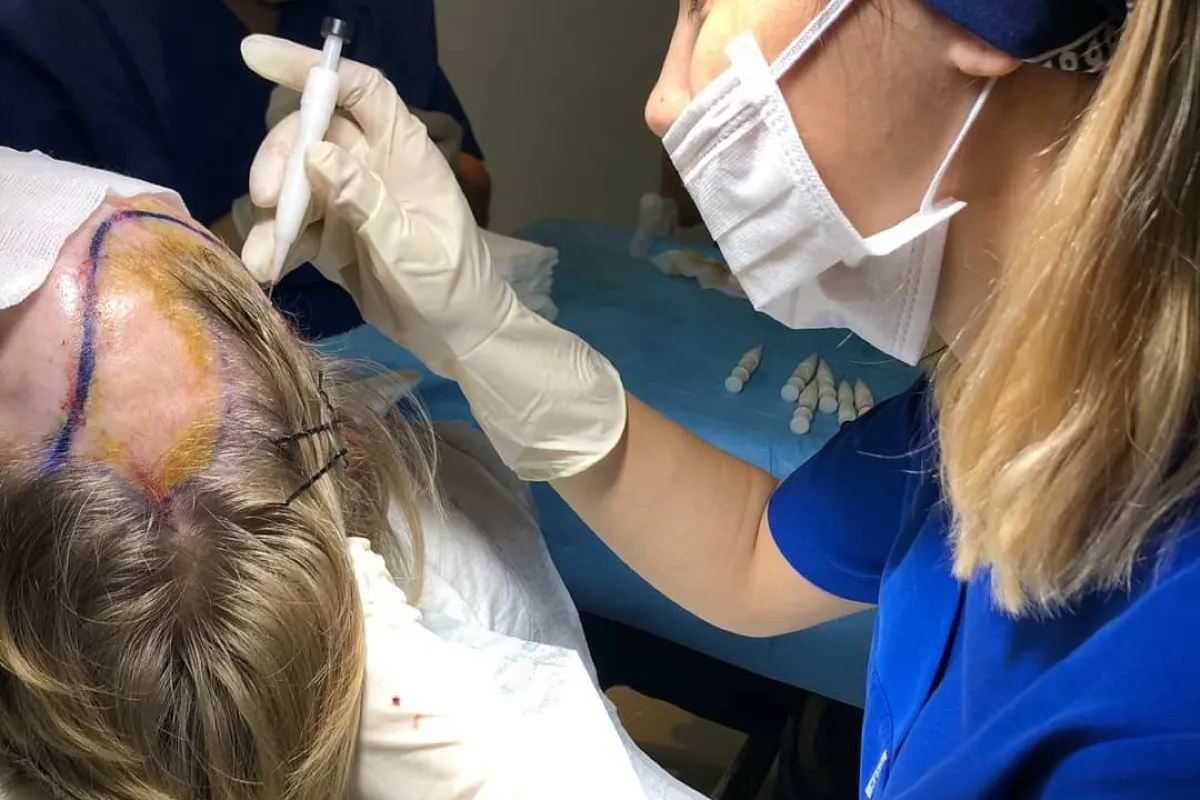
What happens on the day
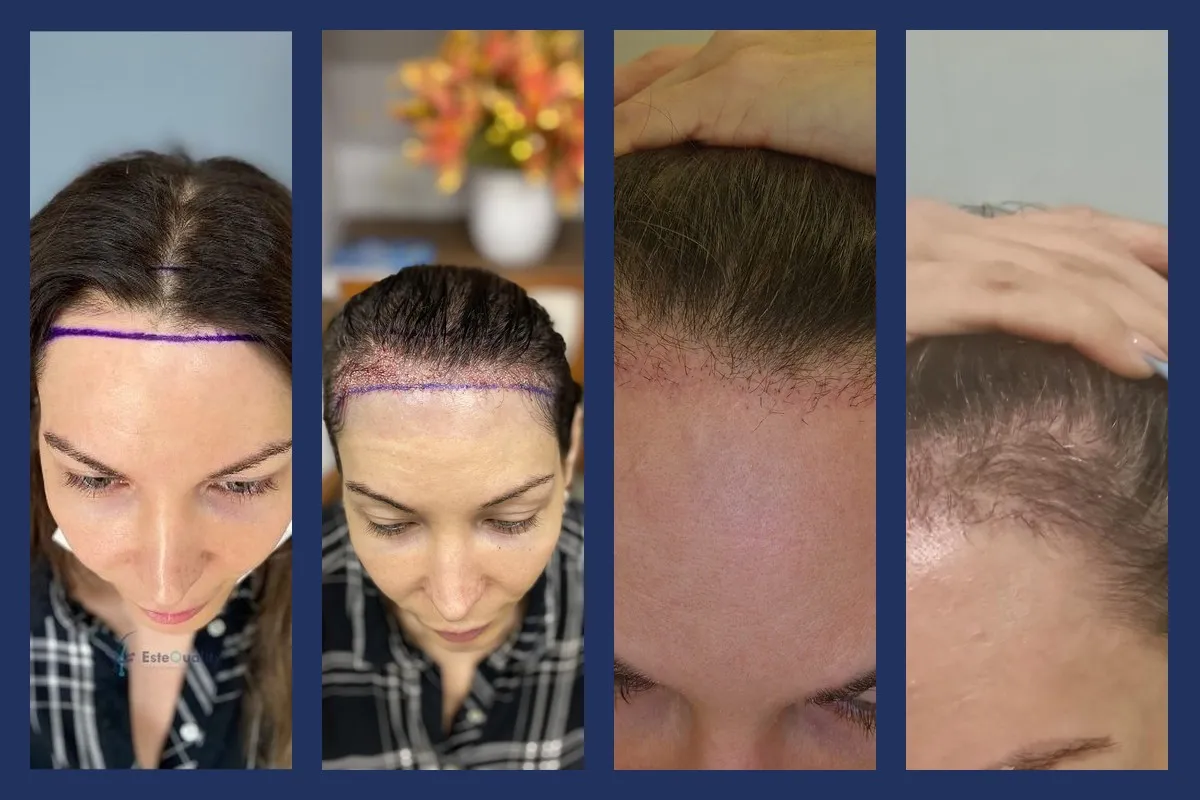
First, we agree the plan: the hairline or parting is drawn with you and the number of grafts confirmed. The donor area at the back is trimmed and numbed with local anesthetic, and the grafts are placed one by one with the DHI implanter between your existing hairs. It is a day procedure done with breaks, and you return to your hotel the same day; the full Istanbul journey is on our hair transplant in Turkey page.
What to expect, and is it permanent?
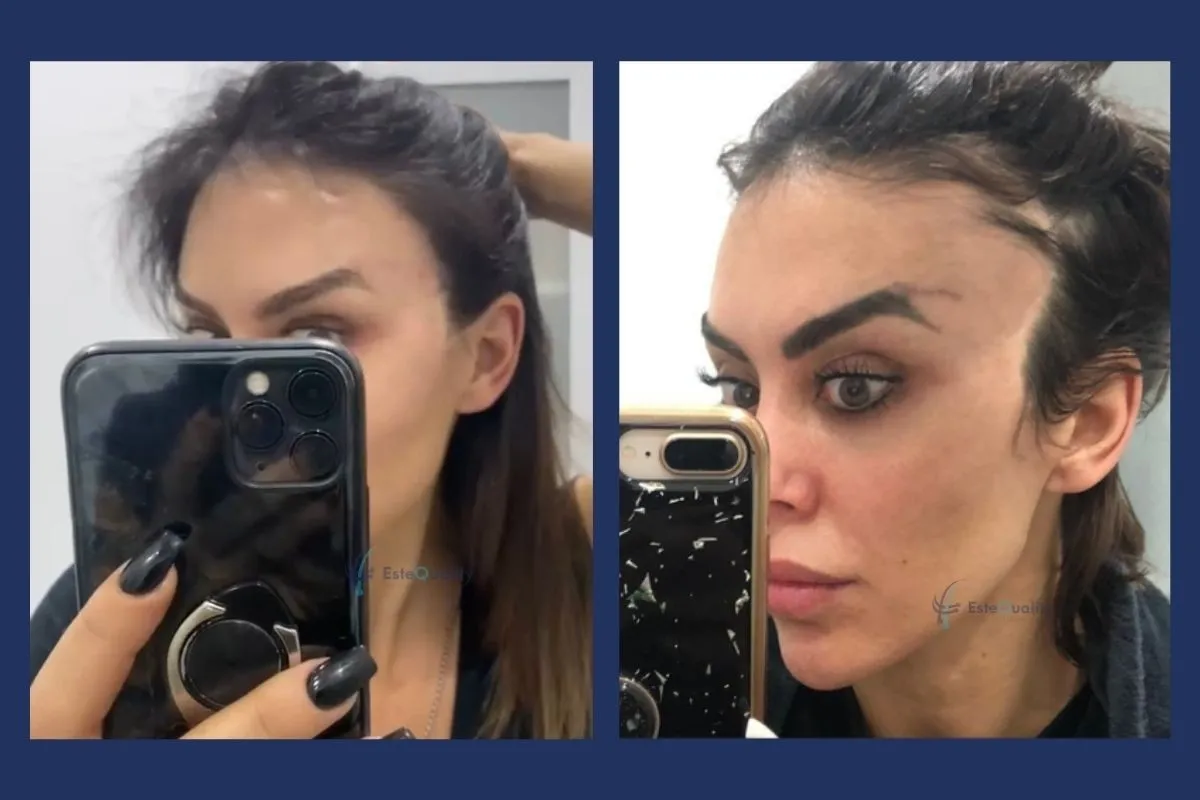
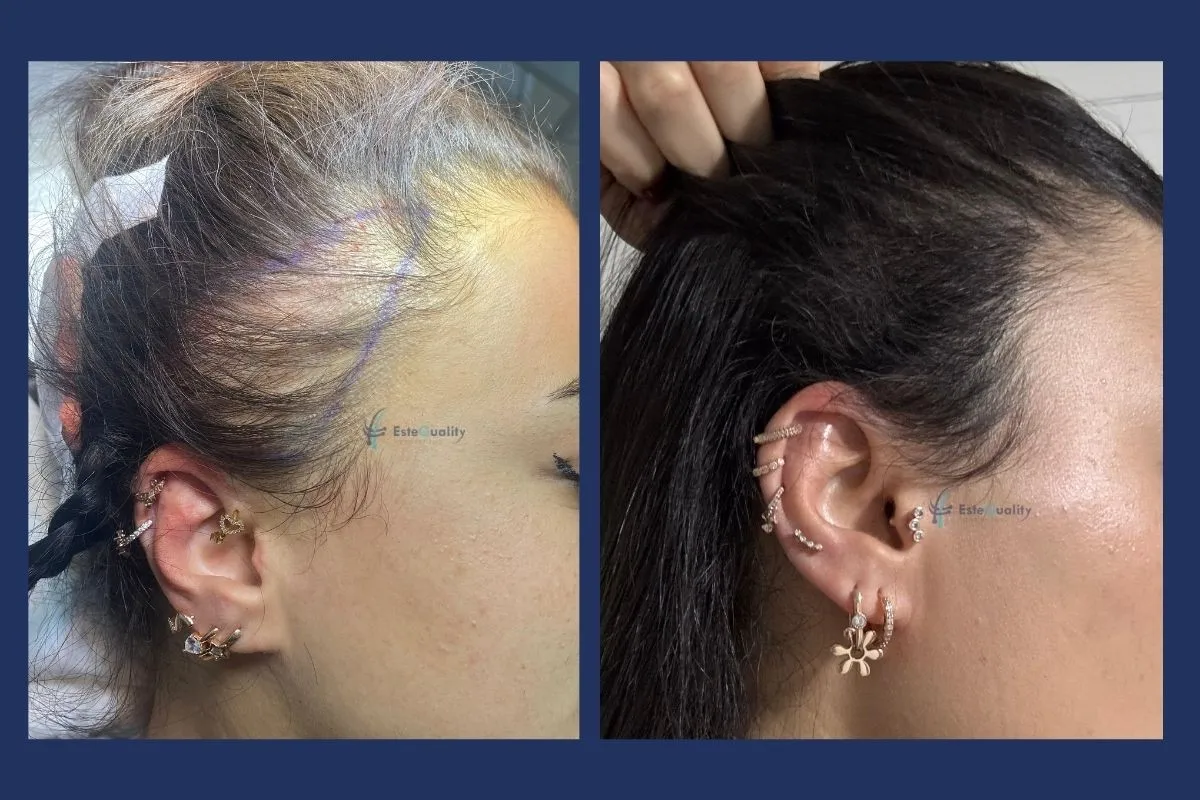
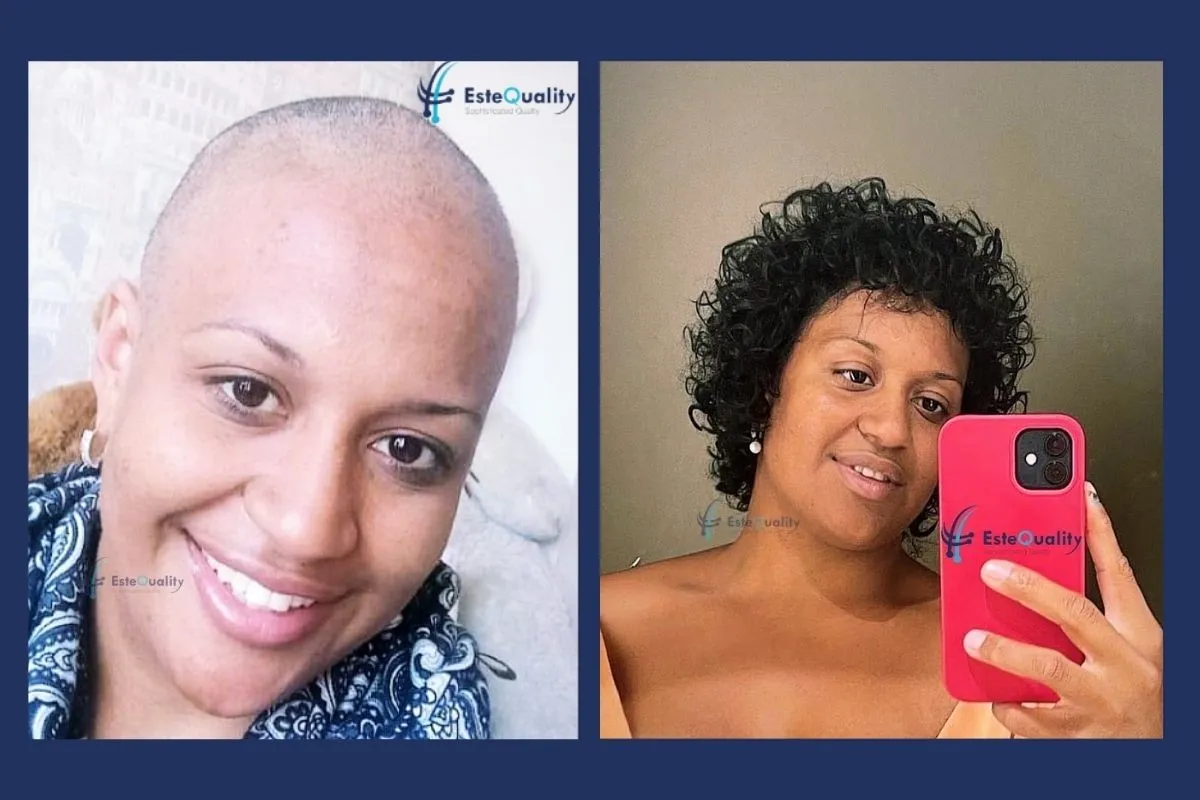
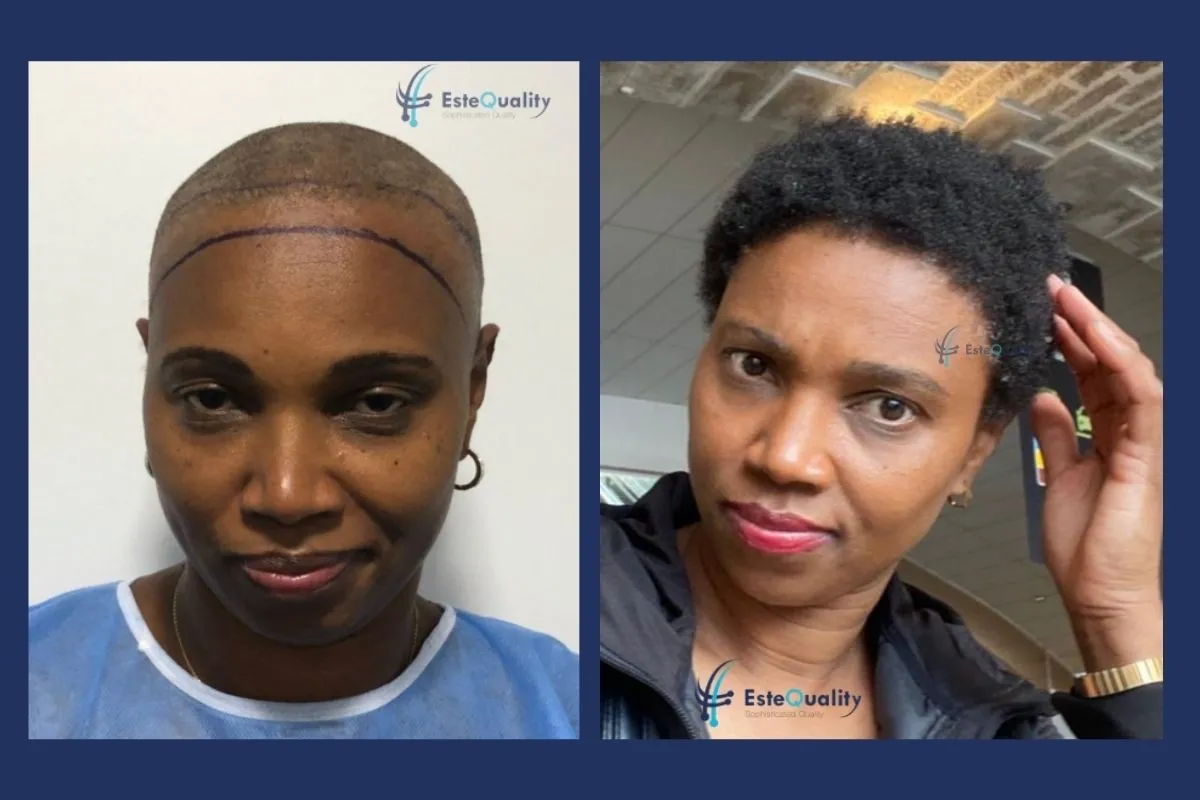
Transplanted follicles keep their own behaviour and continue to grow in their new location, so the result is permanent [1]. But growth is gradual: the transplanted hairs shed in the first weeks (this is normal), regrow over the following months, and settle at around nine to twelve months. A transplant restores density where hair was moved; it does not stop ongoing thinning elsewhere, so we also talk through supportive care to look after the hair you still have; our hair treatments page covers the non-surgical options.
Recovery
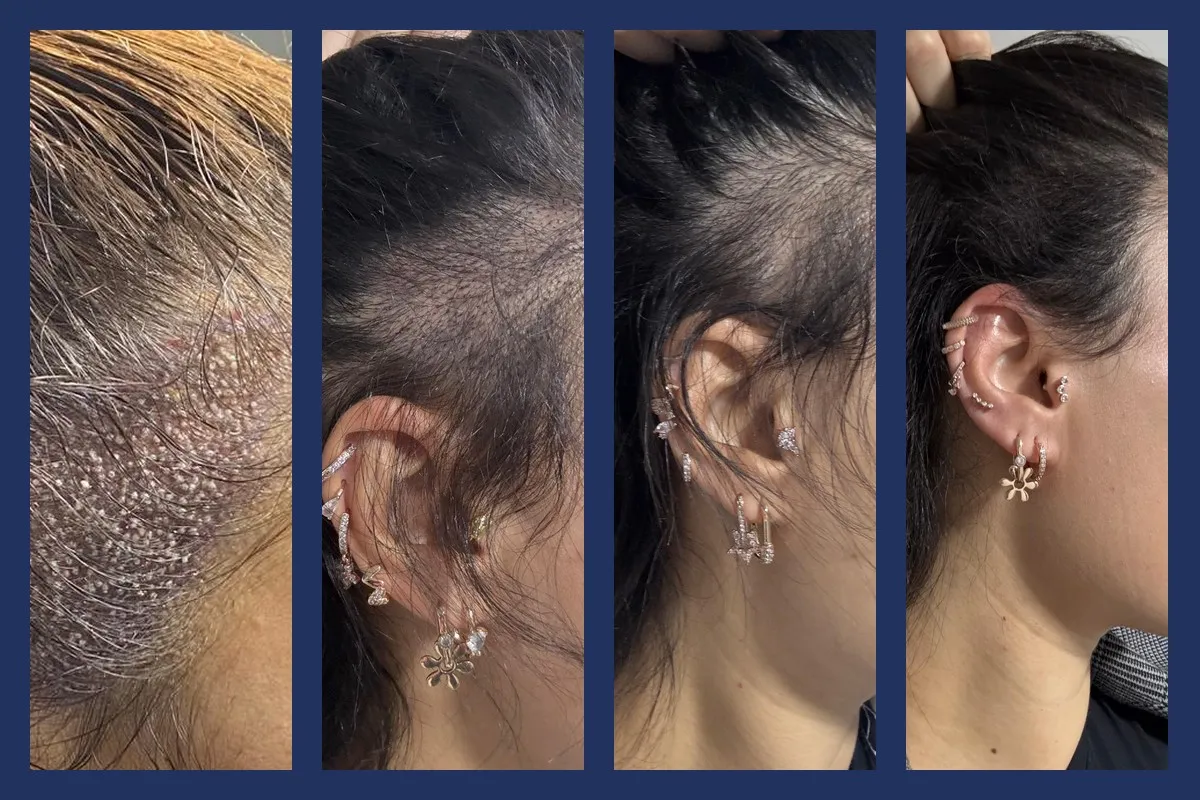
Recovery is much like any DHI transplant. The donor and recipient areas heal over the first week to ten days, with small scabs that flake away; the transplanted hairs then shed before regrowing over the following months [2]. There is little downtime, and because the top of the head is not shaved, most women find it easy to return to normal life quickly. The full recovery timeline and our 12-month follow-up and revision policy are set out on our hair transplant in Turkey page.
How much does a women’s hair transplant cost in Turkey?
A women’s hair transplant in Turkey typically costs €1,700–€2,500 for the procedure alone, depending on the number of grafts and the technique planned; an all-inclusive package (accommodation, transfers, medication and aftercare included) starts from €2,100. The final price is confirmed once your hair loss pattern and donor area have been assessed. See our hair transplant packages in Turkey page for package prices, inclusions and exclusions, or send us your photos on WhatsApp for a personalised assessment.
Frequently asked questions
What causes female hair loss?
Most often female pattern (androgenetic) thinning, telogen effluvium (temporary shedding after childbirth, stress or illness), traction alopecia from tight styles, or a medical cause such as thyroid disease or iron deficiency. The cause decides the treatment, which is why we assess it first [3][4].
Is a hair transplant for women permanent?
Yes. The moved follicles keep growing in their new place, so the result is permanent. It does not stop thinning in untreated areas, so supportive care may be advised alongside it [1].
Is DHI good for women?
Yes, it is the usual choice. DHI places grafts between existing hairs without shaving the top of the head, so density is added while you keep your length [1].
Will I need my head shaved?
No, provided the planned graft count is below 3,000. The top is not shaved; only a small donor area at the back is trimmed and stays hidden under the surrounding hair.
When will I see results?
The transplanted hairs shed in the first weeks, regrow over the following months, and settle at around nine to twelve months [2].
Am I a candidate if my hair is shedding all over?
Possibly not yet. Sudden, diffuse shedding is often telogen effluvium, which recovers on its own; we assess the cause before recommending a transplant [3].
Sources
- ISHRS, Hair transplant patient information (candidacy, FUE/DHI, graft growth, female restoration). https://ishrs.org/patients/
- AAD, Hair loss: diagnosis and treatment (transplant recovery, alopecia areata, scarring alopecia). https://www.aad.org/public/diseases/hair-loss/treatment/diagnosis-treatment
- NHS, Hair loss (female pattern, telogen effluvium, traction alopecia, when to seek advice). https://www.nhs.uk/conditions/hair-loss/
- Mayo Clinic, Hair loss (medical causes, thyroid and iron, realistic expectations). https://www.mayoclinic.org/diseases-conditions/hair-loss/symptoms-causes/syc-20372926


