
Quick facts
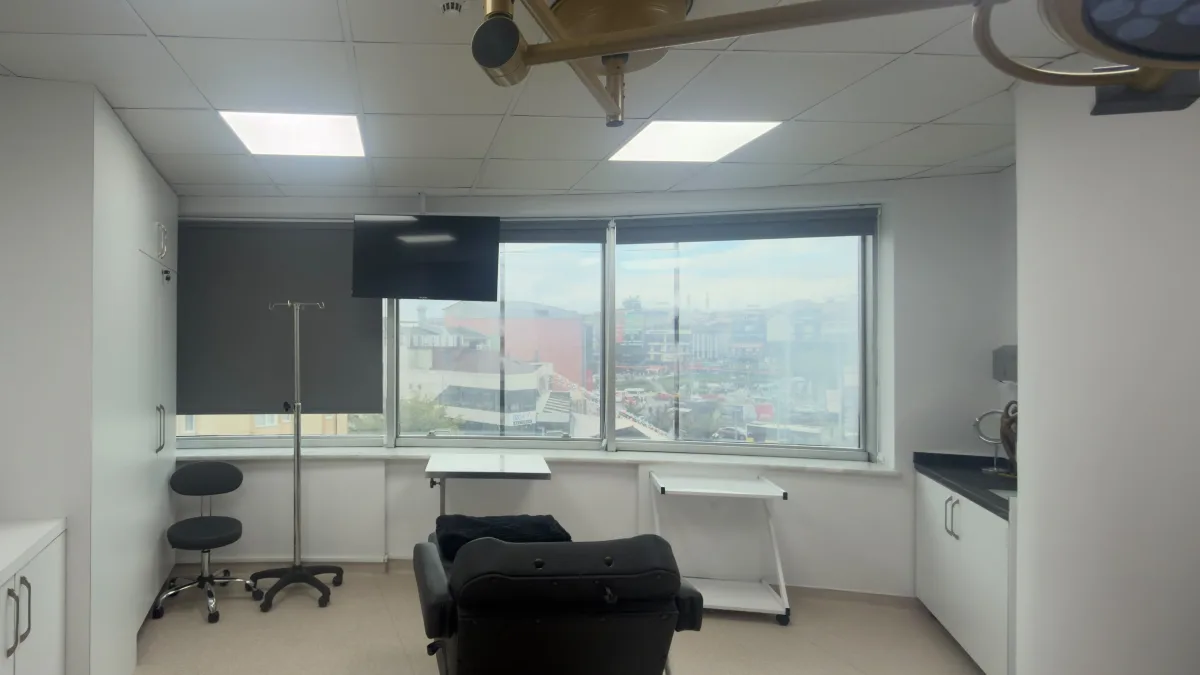
- Where: a licensed, fully equipped hospital in Istanbul
- Techniques: Sapphire FUE, DHI and unshaven options, chosen for your case
- Planning: grafts planned to your own donor capacity, not a fixed number
- Procedure: usually a single day under local anaesthetic
- Team: specialist-led, physicians certified in hair transplantation
- Aftercare: written report, care pack and a 12-month follow-up
- Languages: English, Turkish, German, Spanish, Russian, Romanian
Why Turkey, and why EsteQuality
Türkiye, and Istanbul in particular, is one of the world’s leading destinations for hair transplantation — and that reputation did not appear overnight. This region has been a home of medicine and healing for centuries; Anatolia hosted some of the ancient world’s earliest healing centres, and that long tradition of caring for people continues in the modern hospitals and medical teams working here today. Patients come to Turkey for that depth of experience, not for a headline price.
Good hair restoration should be within reach — as good healthcare is meant to be. In Turkey it is, because a strong local medical infrastructure and a very high volume of procedures let experienced teams deliver hospital-standard care without the barriers patients face in many other countries. The accessibility comes from how healthcare is organised here, not from compromising on the grafts, the equipment, or the people looking after you — provided you choose a reputable clinic.
Turkey also has a genuine culture of hospitality, and for international patients that shows in the whole journey, not just the operation. At EsteQuality, consultation and planning, airport and clinic transfers, accommodation, interpreter support and structured post-operative follow-up are part of one coordinated treatment. Operating since 2016 in a fully equipped hospital environment, our team is led by a specialist in plastic, reconstructive and aesthetic surgery, with treatment planning and hairline design carried out by physicians certified in hair transplantation. You can read more about the people who look after you on our medical team page.
- Since 2016, caring for international patients
- Specialist-led, under the leadership of a plastic surgery specialist (plastic, reconstructive and aesthetic surgery), planning and design are carried out by physicians certified in hair transplantation
- Hospital environment, procedures in a fully equipped hospital
- 12-month follow-up, with a clear revision policy
- Languages, English, Turkish, German, Spanish, Russian, Romanian
Before & after results
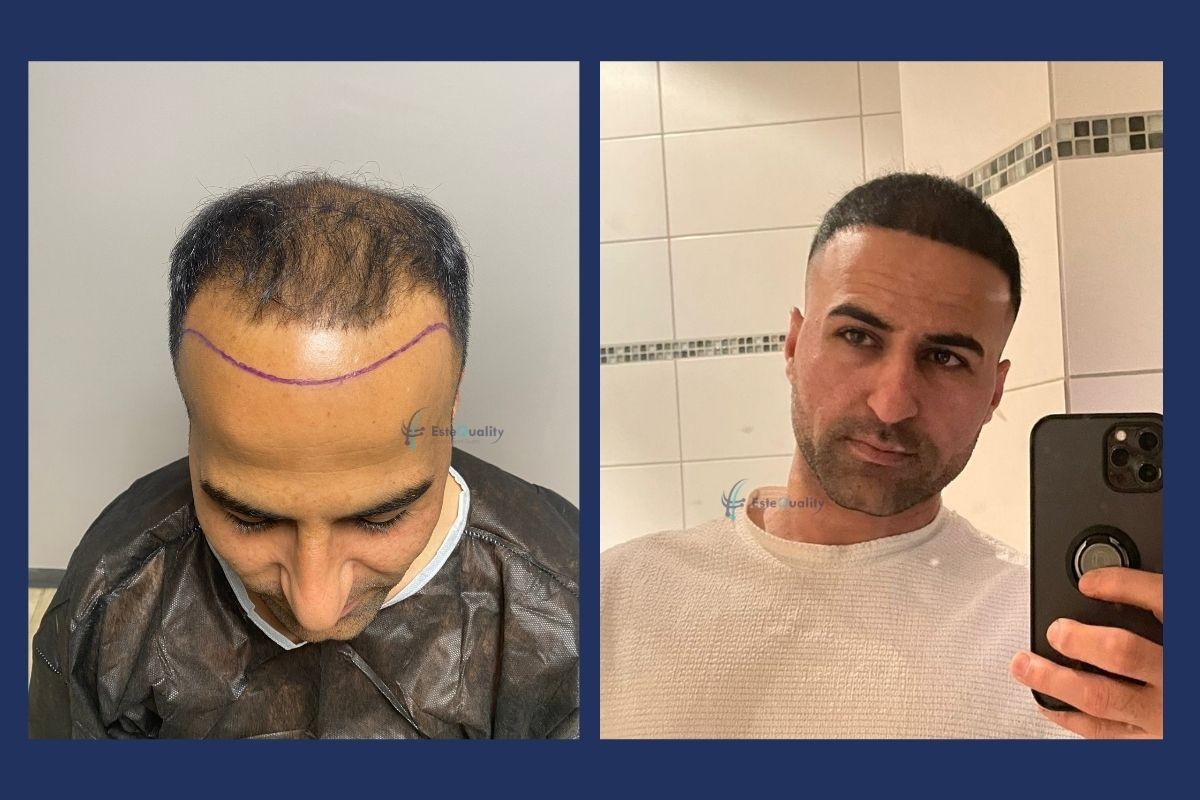
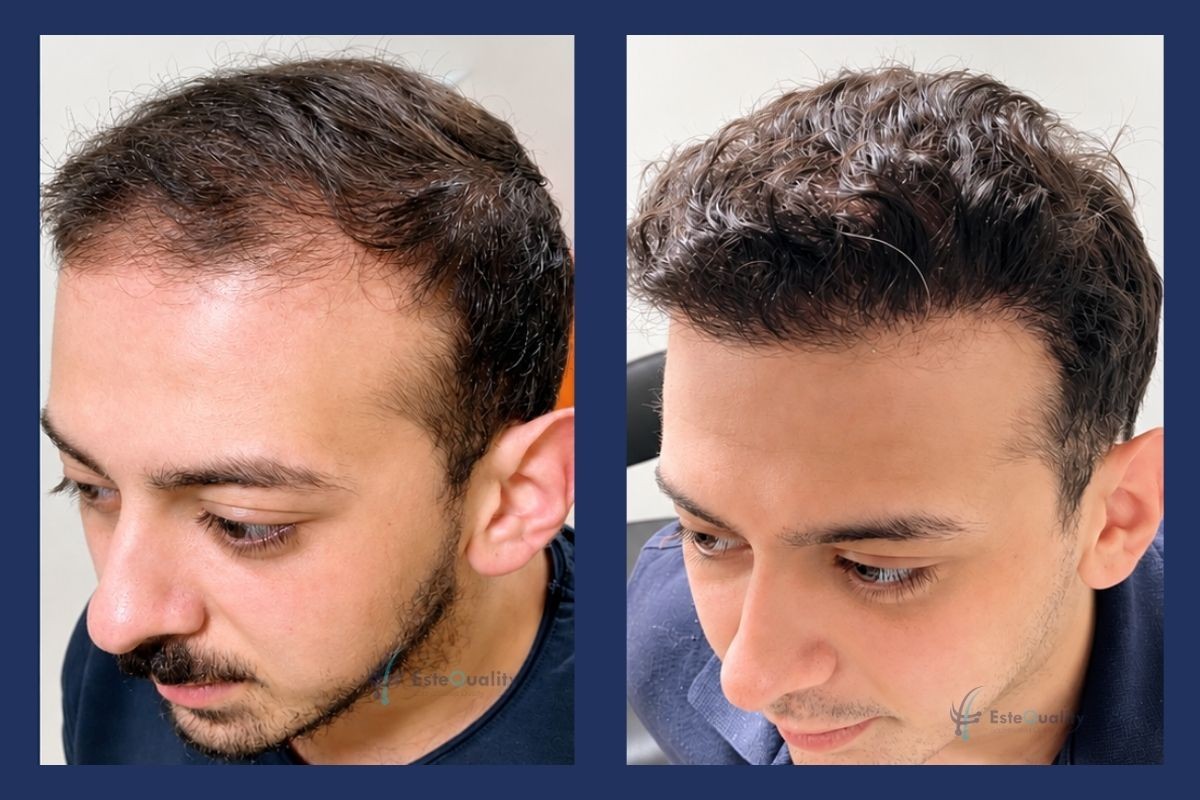
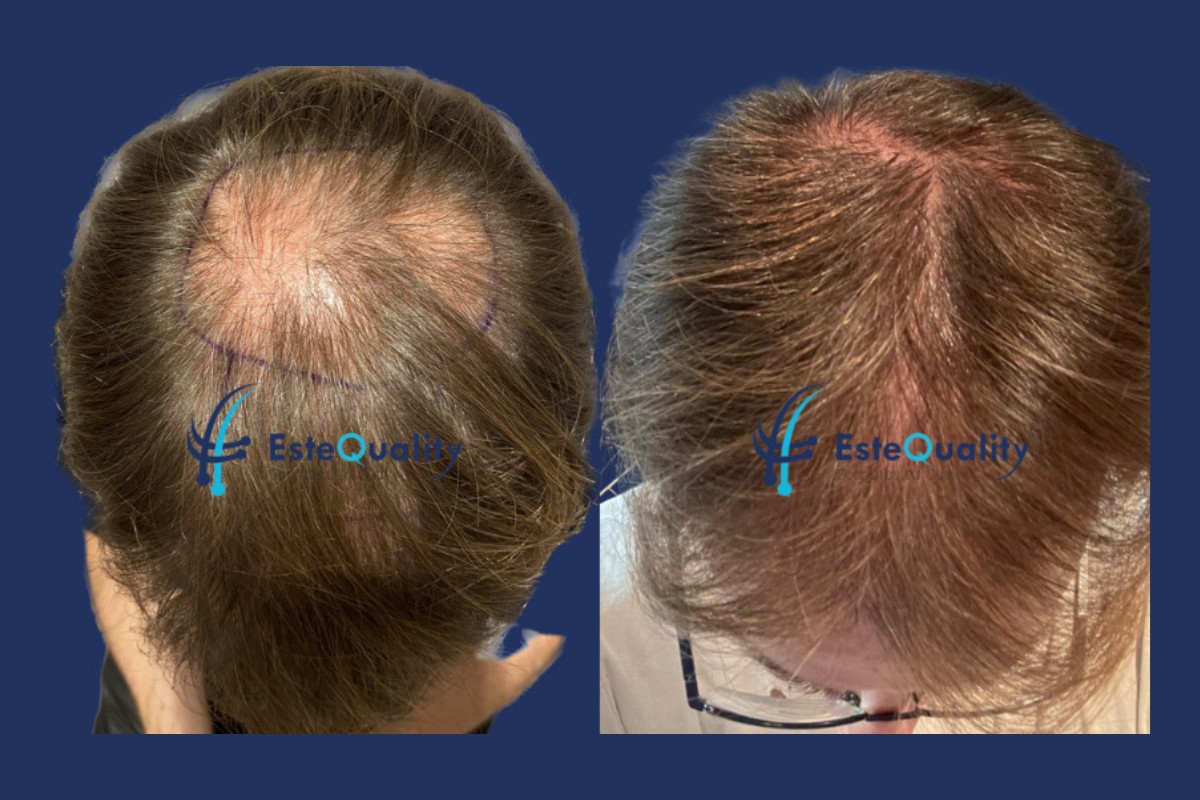
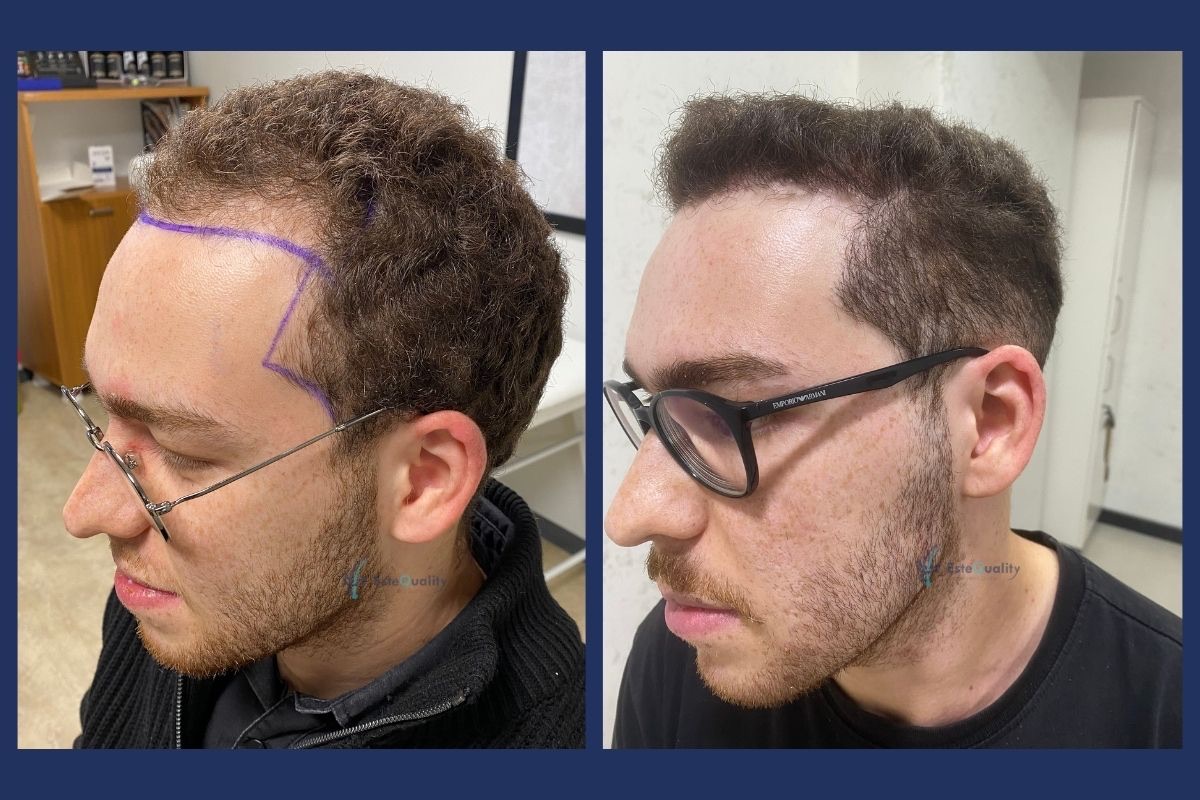
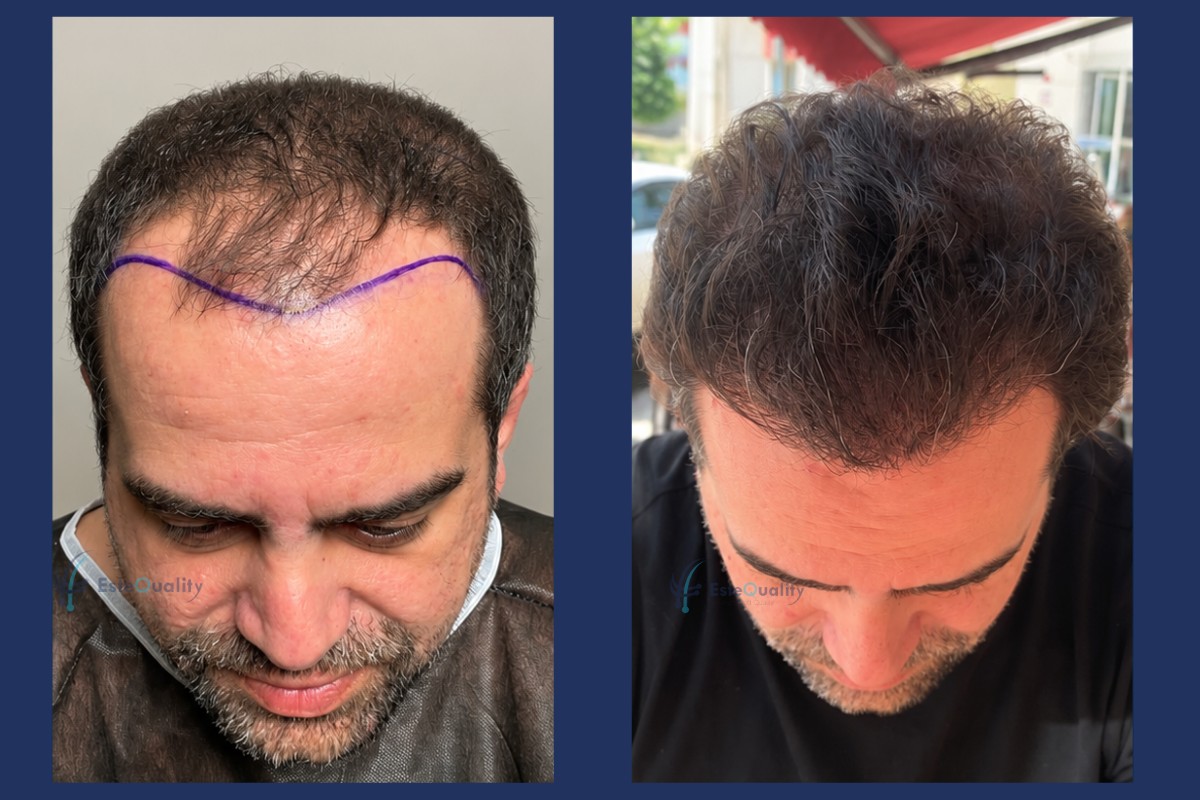
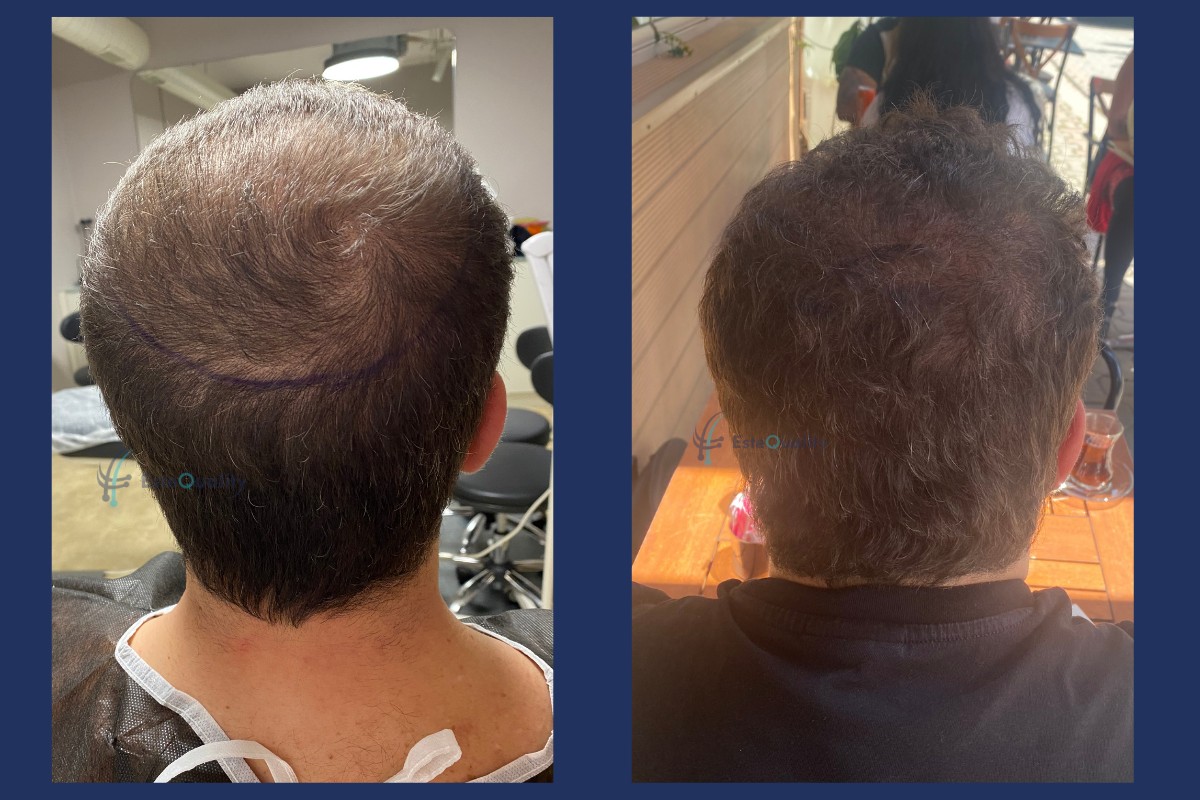
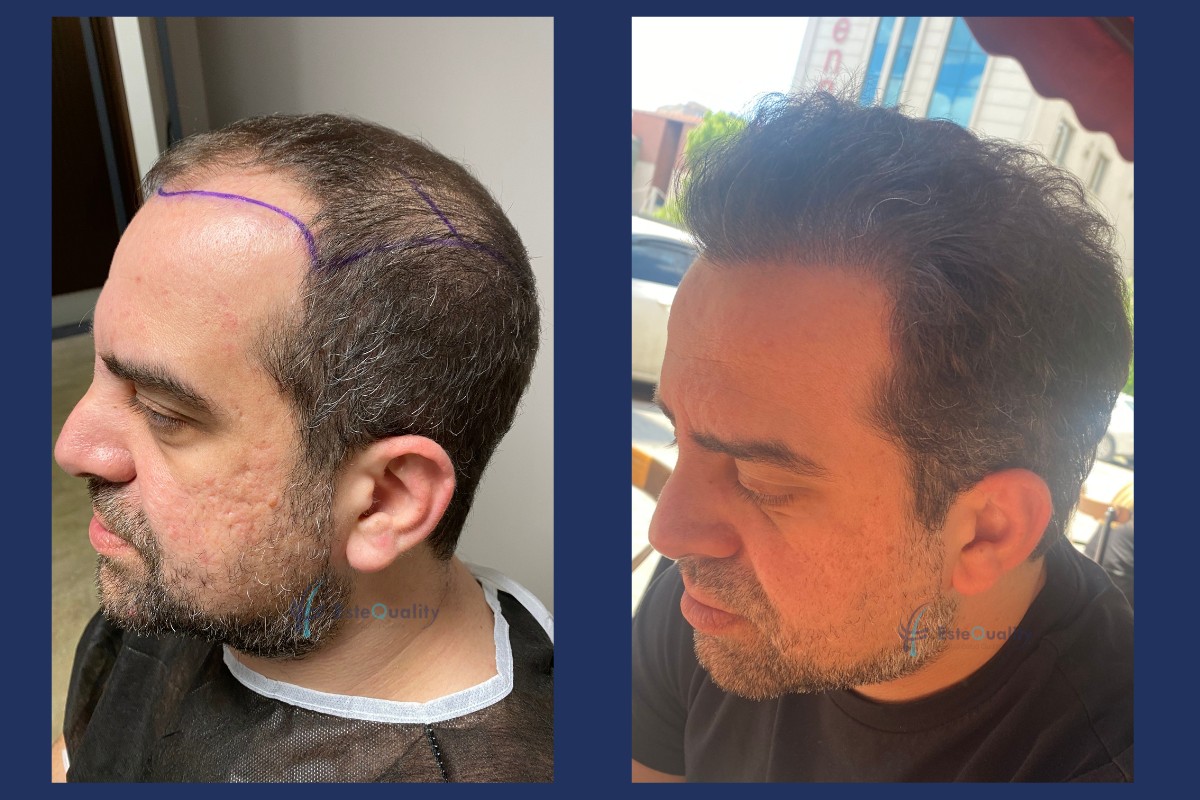
EsteQuality also has verified patient reviews — read more hair transplant reviews.
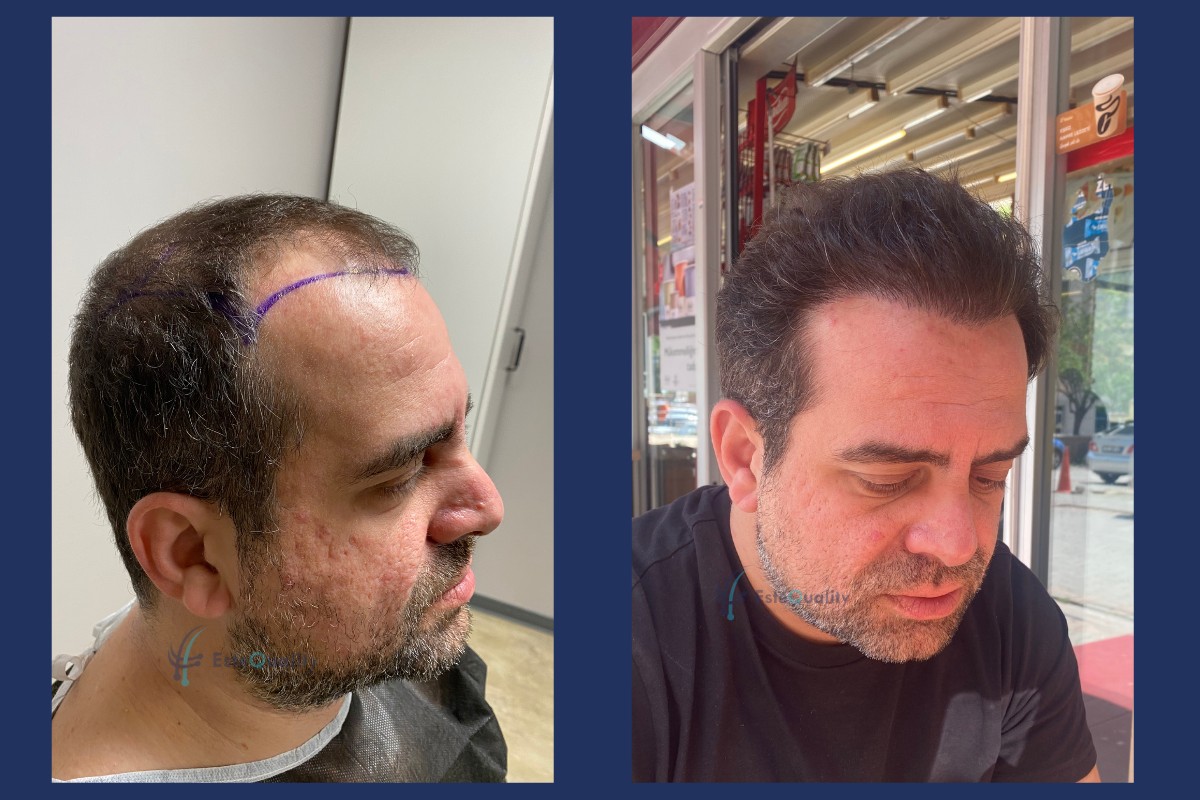
The most useful thing you can look at is real results from real patients, with the details attached. For each case in our before-and-after gallery you can see the number of grafts placed, the technique used, the patient’s age range, and how many months have passed since surgery.
A graft is a small group of one to four hairs taken together from the donor area and moved to the thinning area [3]. Graft counts are the honest way to read a result: a frontal hairline restoration and a full-crown case are very different amounts of work, and the photos only make sense next to those numbers.
When reviewing before-and-after results, context matters. Look at how far the patient is into recovery — ideally around 10 to 12 months for a mature result — and whether the case is comparable to yours in terms of hair-loss pattern, donor capacity and graft count. A dense frontal hairline on a younger patient, for example, tells you little about crown coverage in someone with more advanced hair loss.
Because most EsteQuality patients travel to Istanbul from abroad, they usually return home after treatment and do not come back to the clinic simply to have their final-result photographs taken. Many of our “after” photos are therefore sent to us by patients during follow-up, which means the lighting, camera, distance and angle may differ from the clinical “before” photographs. We prefer to show genuine patient-submitted follow-up images rather than create the impression that every result was photographed under identical studio conditions.
We publish before-and-after photos only with the patient’s consent, and we never place a promise on top of a photo. Your own result depends on your hair characteristics, your donor supply, and how your body heals, which is why a personal assessment comes before any estimate.
Hair transplant progress: from surgery to 11 months
One patient, followed throughout the hair transplant journey. These photographs show how the transplanted area changed from before surgery through the early healing and growth stages to the 11-month result. Individual recovery and hair growth timelines vary.
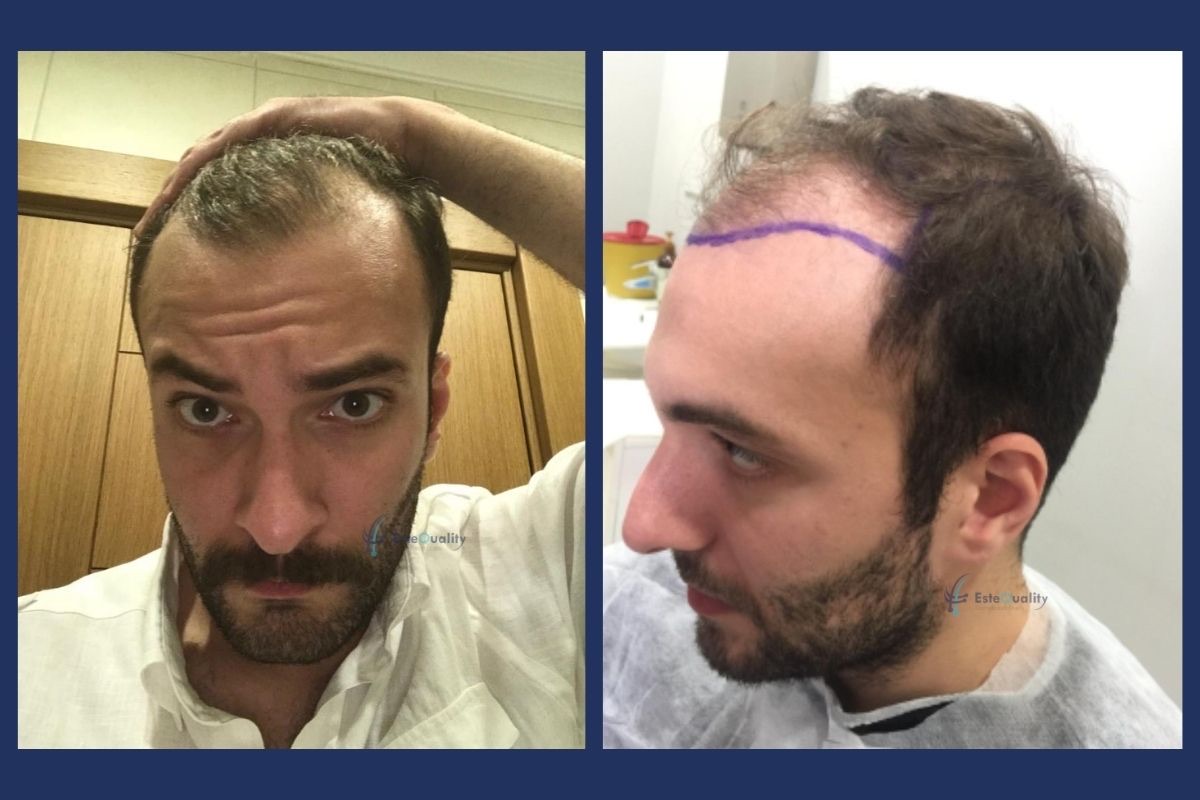
Baseline before transplantation.
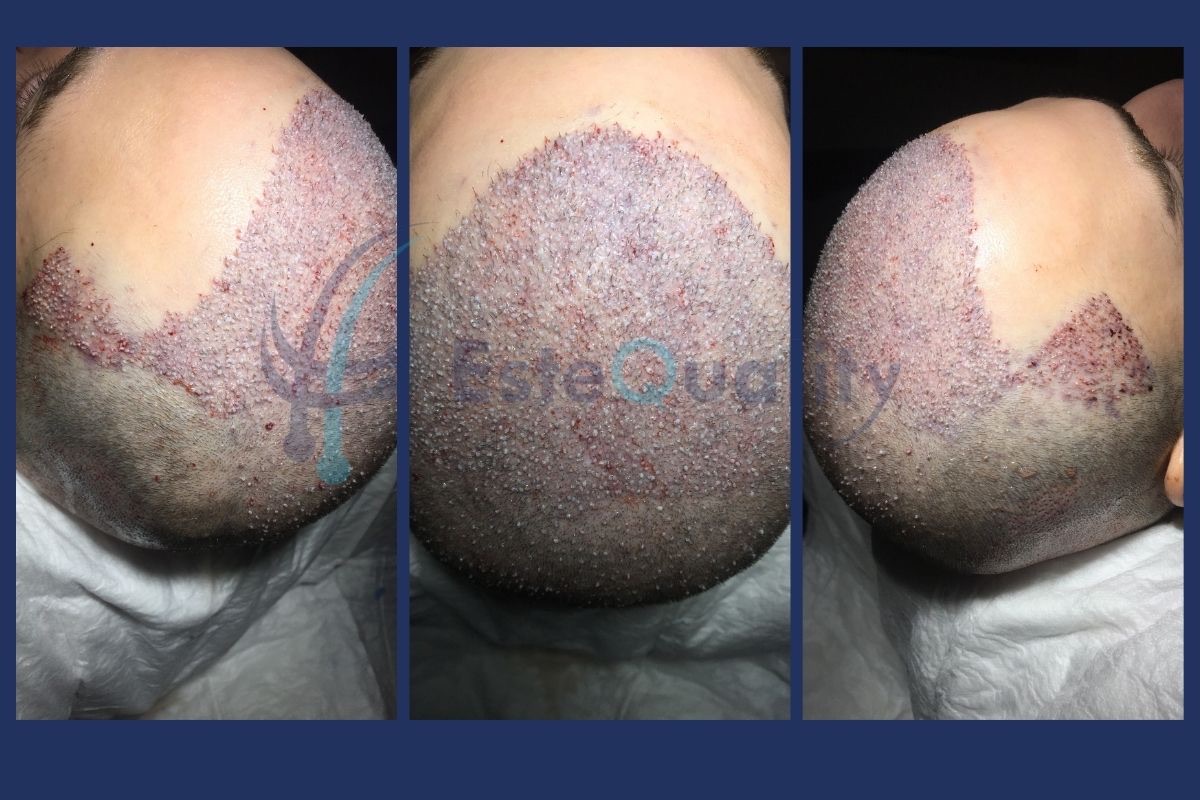
Immediately after the procedure.
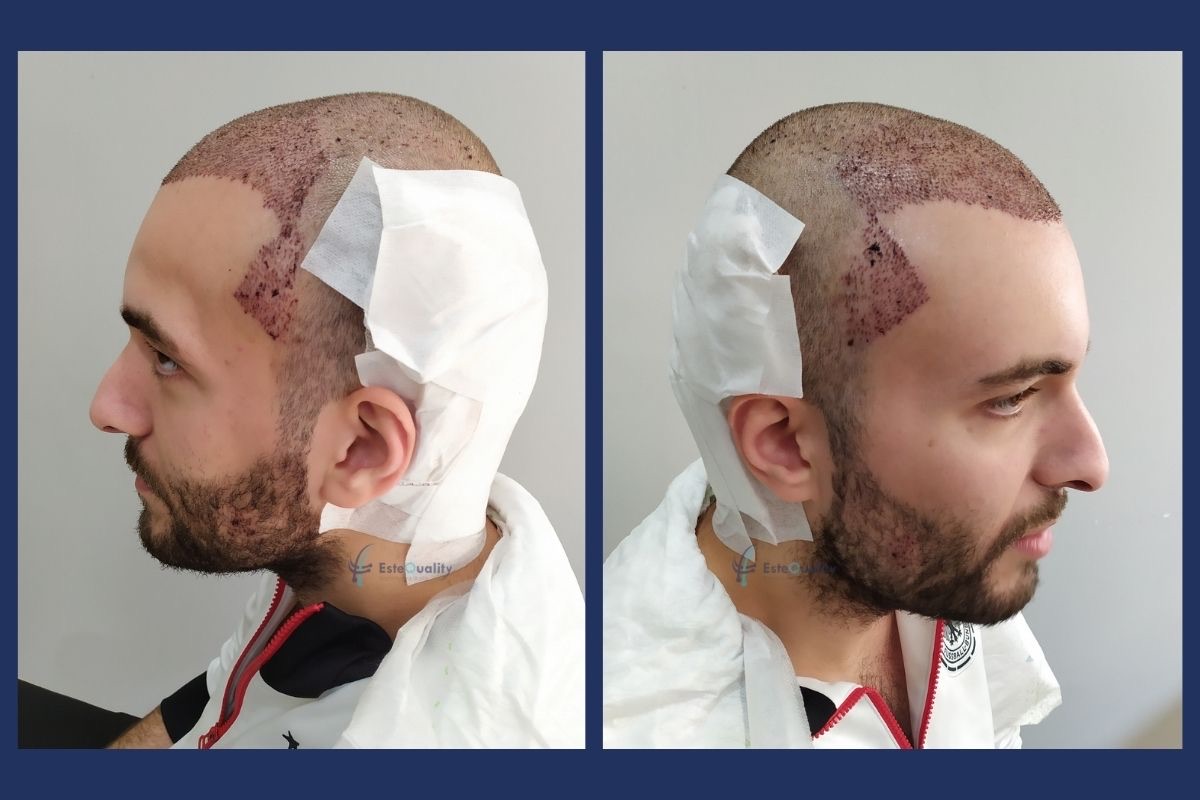
Next-day appearance before the first wash.
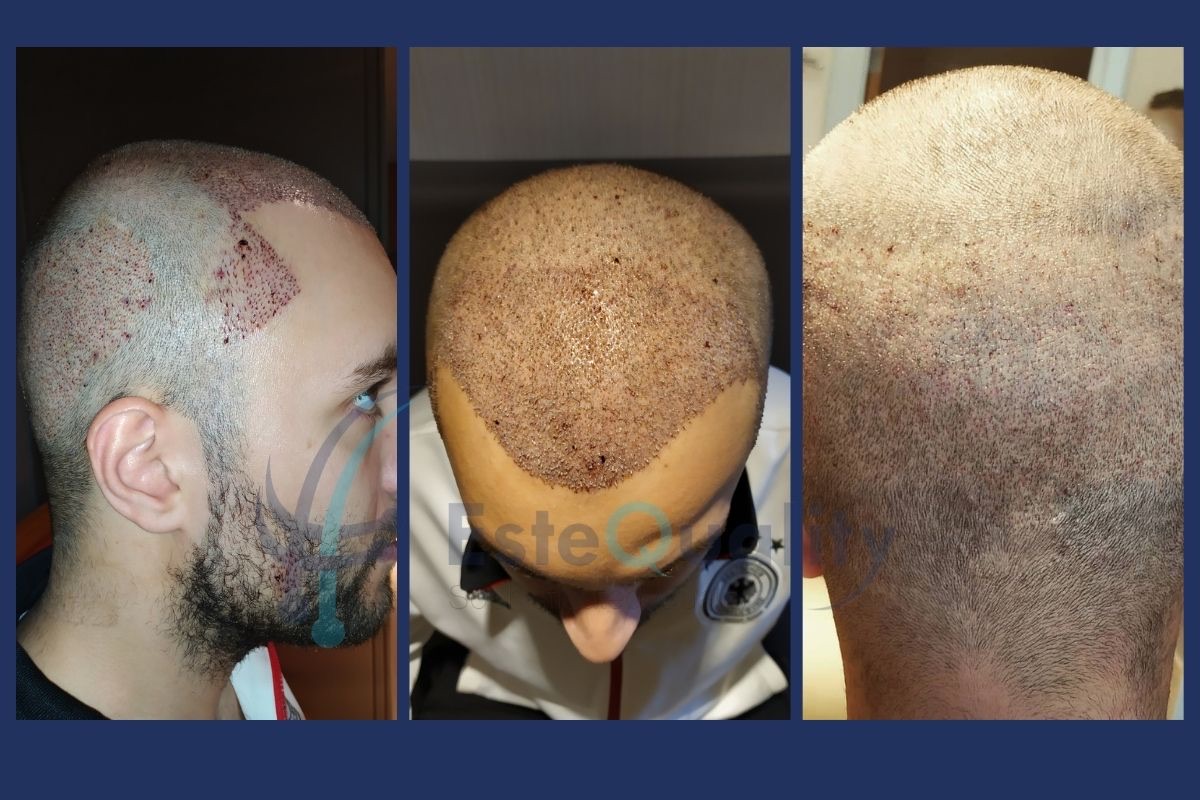
Early post-operative appearance after the first wash.
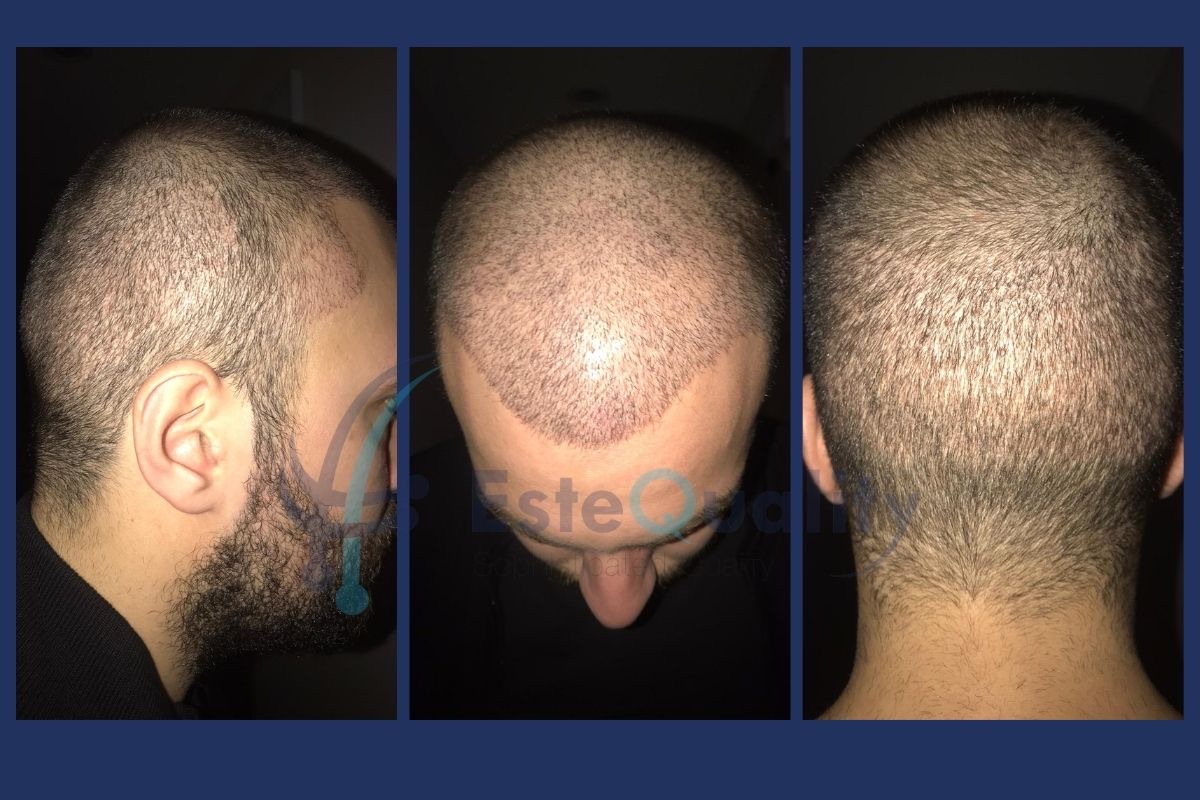
Healing stage after scab removal.
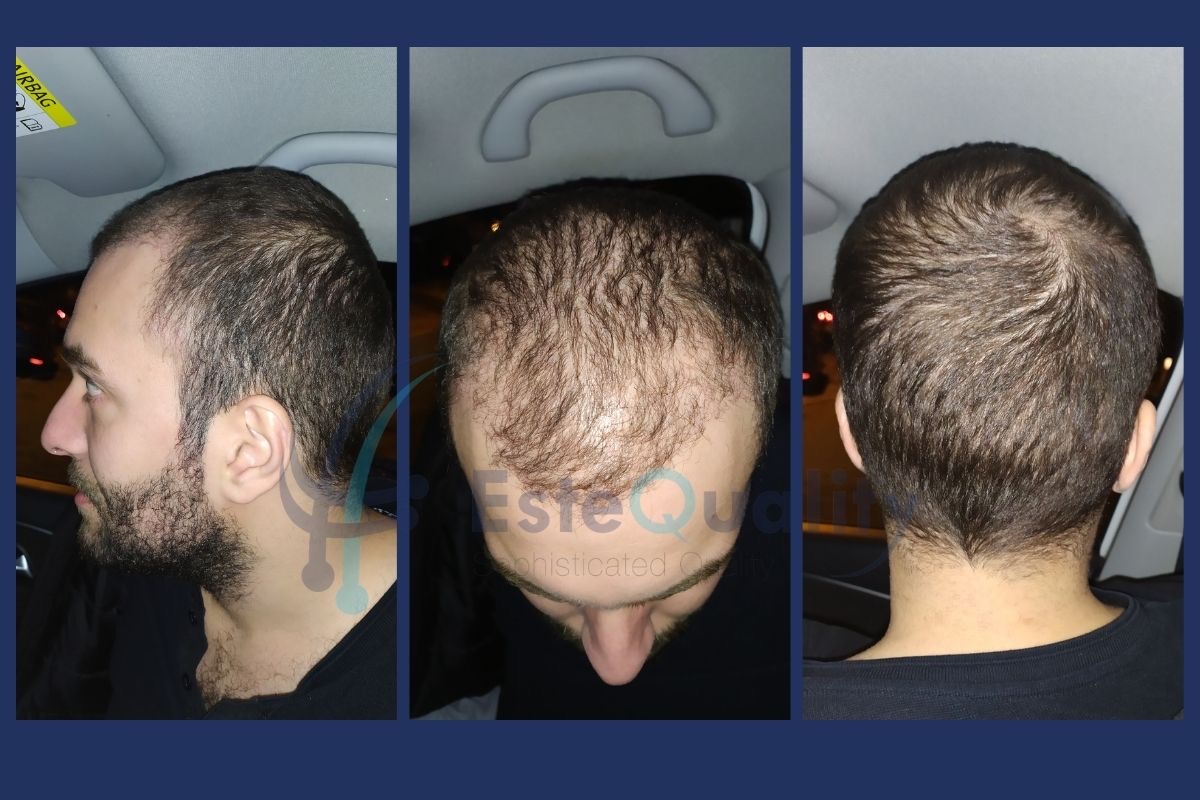
Early recovery stage.
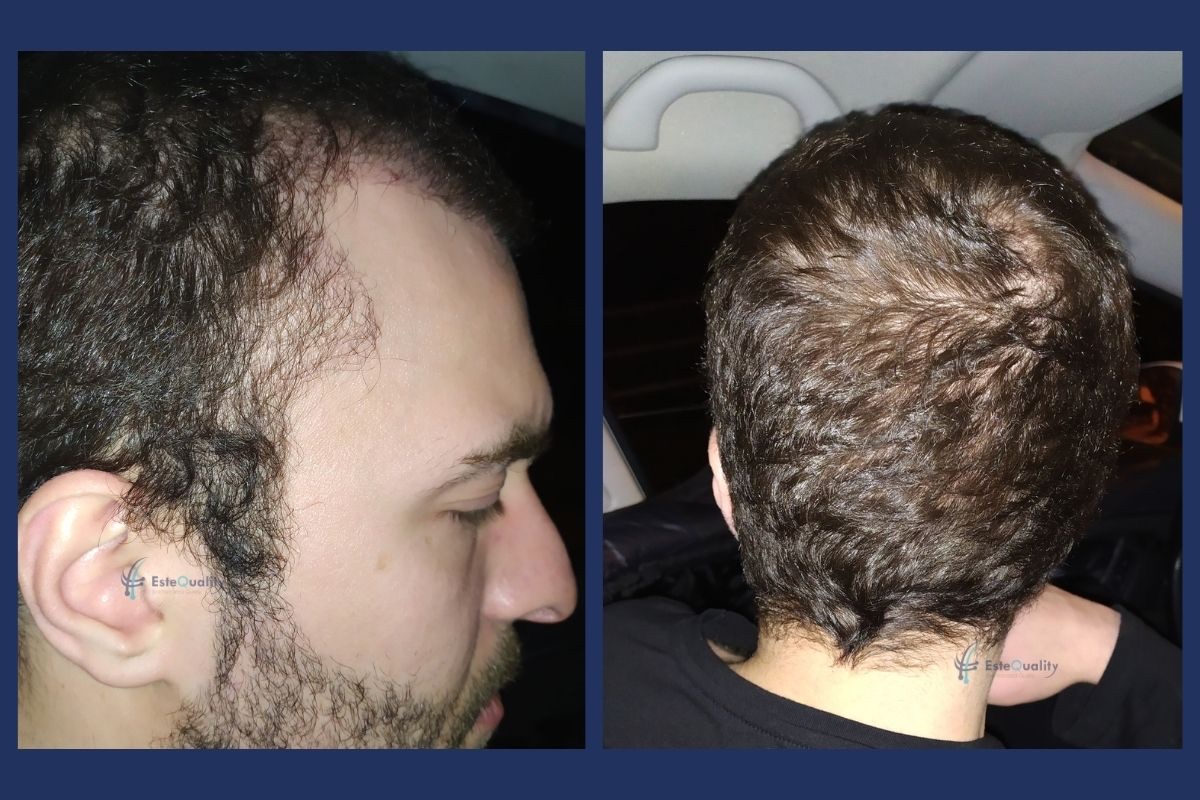
Early growth stage.
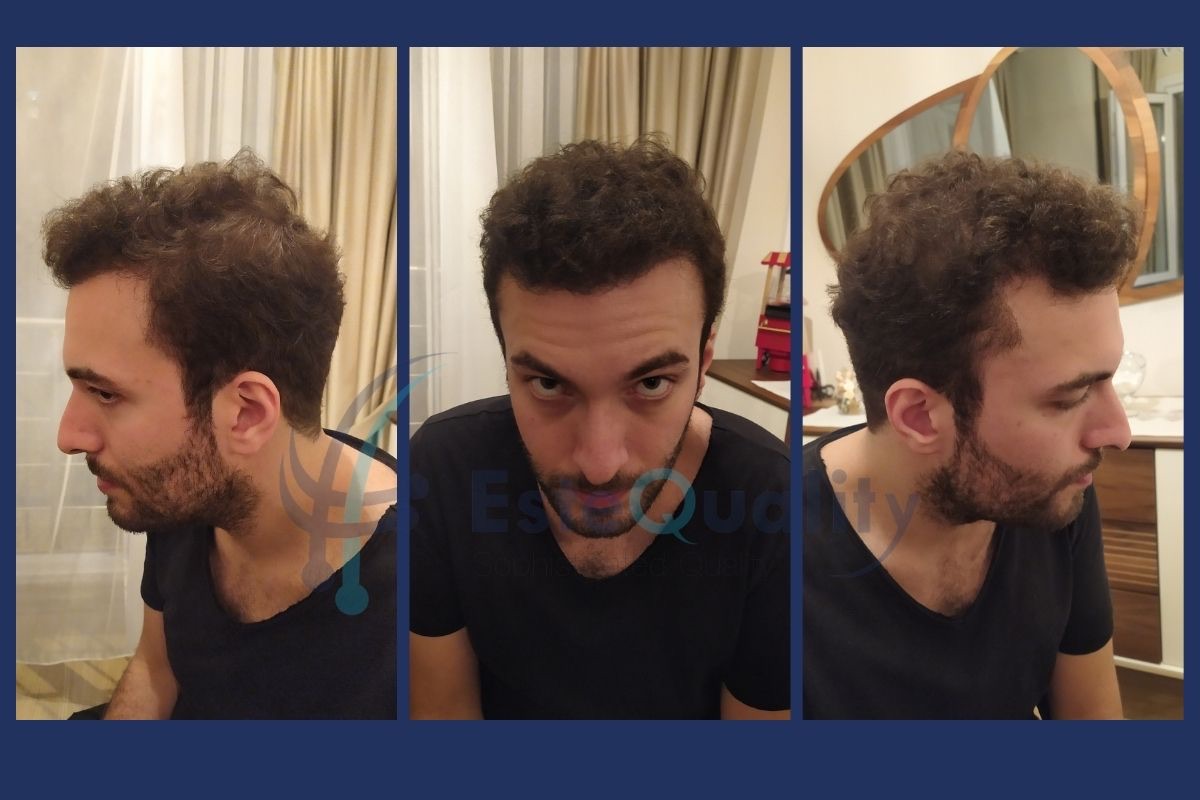
Ongoing growth stage.
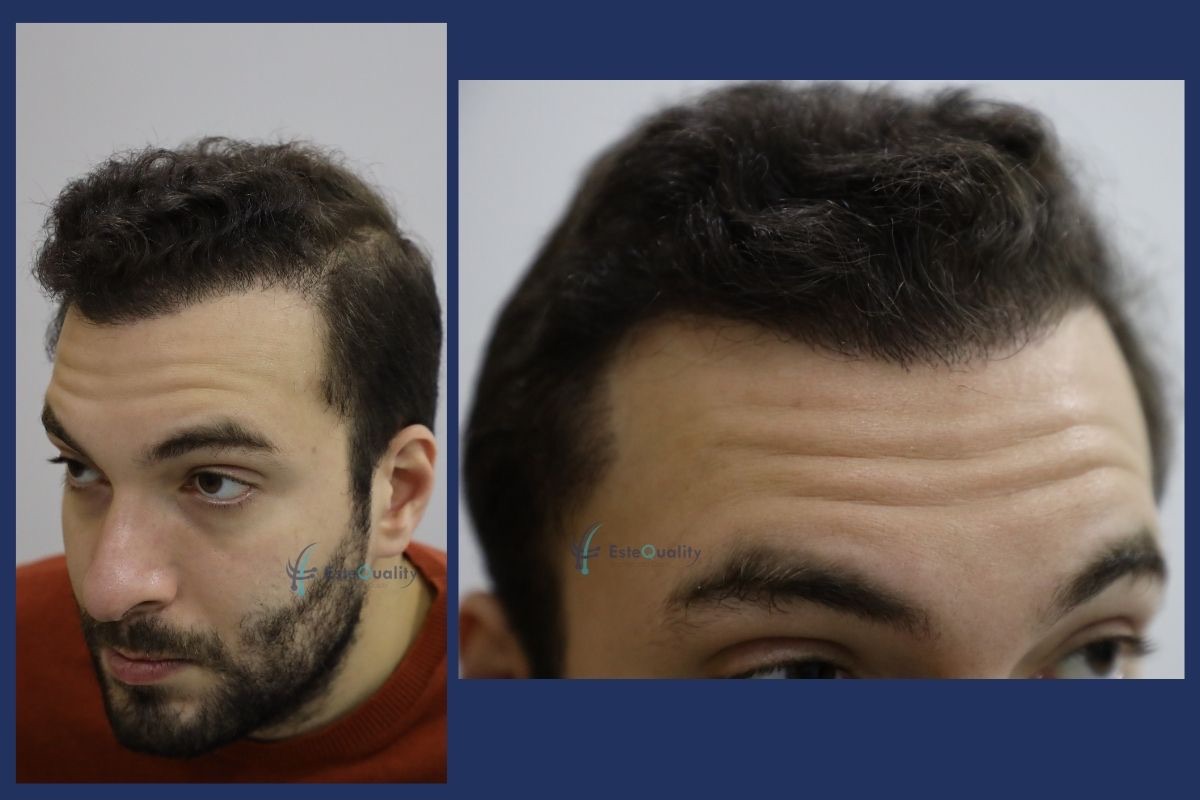
Result at 11 months.
This is one patient’s individual treatment journey. Healing, shedding and hair growth can progress differently from person to person.
Is a hair transplant in Turkey right for you?
A hair transplant moves hair you already have; it does not create new hair. That single fact decides whether the procedure suits you.
It may be a good option if:
- Your hair loss follows a stable, patterned course (male or female pattern hair loss) and your donor area is dense enough to supply the thinning zones [2][4].
- You have realistic expectations about coverage and are comparing options carefully.
- You are in general good health and can follow the aftercare instructions.
It may not be the right time if:
- Your hair loss is still changing quickly, or you are very young, the pattern may not have settled yet [4].
- Your donor area is limited relative to the area you want covered.
- An underlying medical cause of shedding has not been ruled out. Sudden, diffuse shedding is often something other than pattern hair loss and may respond to medical treatment instead [5].
Pattern hair loss is often described using the Norwood scale for men and the Ludwig scale for women, which map how far loss has progressed [4]. These scales help set expectations: earlier-stage loss with a strong donor area usually has more options than very advanced loss, where the donor supply has to be spread over a larger area. Women’s hair loss can also be more diffuse than men’s, which changes both candidacy and planning, so a personal assessment matters even more.
We would rather tell you the procedure is not suitable than sell you a result we cannot support. Where medical treatment is a better first step, we will say so, sometimes protecting the hair you still have with an appropriate medical approach is the more sensible starting point, and your assessment will cover that.
Risks and realistic expectations
Every surgical procedure carries some risk, and a responsible clinic explains them before you book. Hair transplantation is generally considered safe when performed appropriately, but possible effects include temporary swelling, redness, numbness, and (less commonly) infection or folliculitis (inflammation around the follicles) [8].
Two normal stages surprise many patients:
- Shedding of the transplanted hairs typically happens between day 15 and day 30 after the procedure, occasionally up to week 8; the follicles remain and regrow [3].
- “Shock loss” (temporary thinning of some existing hairs around the treated area) can occur and usually recovers [8].
There are also things a transplant cannot do, and it is fair to say them plainly. It does not stop the hair loss you have not yet treated: if your existing, non-transplanted hair continues to thin over the years, the overall picture can change even though the transplanted hair remains. This natural, ongoing loss is outside the scope of our revision policy, which is why planning sometimes includes protecting your native hair, and why we talk about the long term rather than just the operation day.
Results are gradual. Not every graft survives, and a second session is sometimes needed for the density a patient wants. Our revision policy sets out what happens if a result falls short of the plan: a final assessment at 12 months, with a revision decided by medical assessment rather than granted automatically. We do not offer guarantees, because no clinic can honestly guarantee a biological outcome.
Techniques: FUE, Sapphire FUE and DHI
Almost all modern hair transplants use follicular unit extraction (FUE), in which individual follicular units are removed one by one from the donor area, leaving small dot-shaped marks rather than a linear scar [3][6]. The differences between the methods below are mostly in the tools and the implantation step, not in a “secret” technique.
| Method | What is different | Notes |
|---|---|---|
| FUE | The standard extraction method; channels are opened, then grafts placed | The basis of the two options below |
| Sapphire FUE | The recipient channels are opened with a sapphire blade rather than steel | Finer channels may support dense placement; healing is broadly similar [6] |
| DHI | Grafts are loaded into an implanter pen that opens the site and places the graft in one motion | Can give the physician fine control over angle and direction |
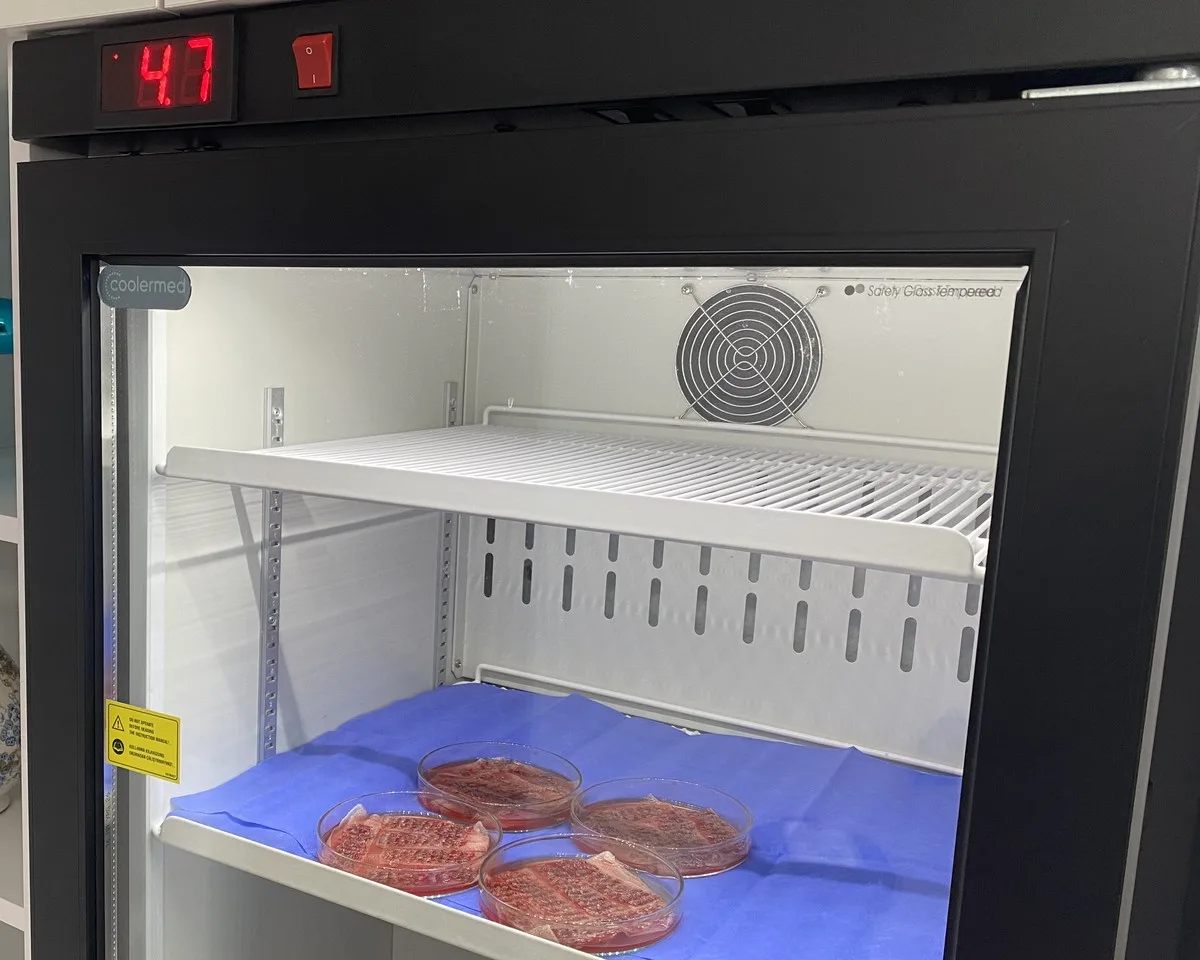
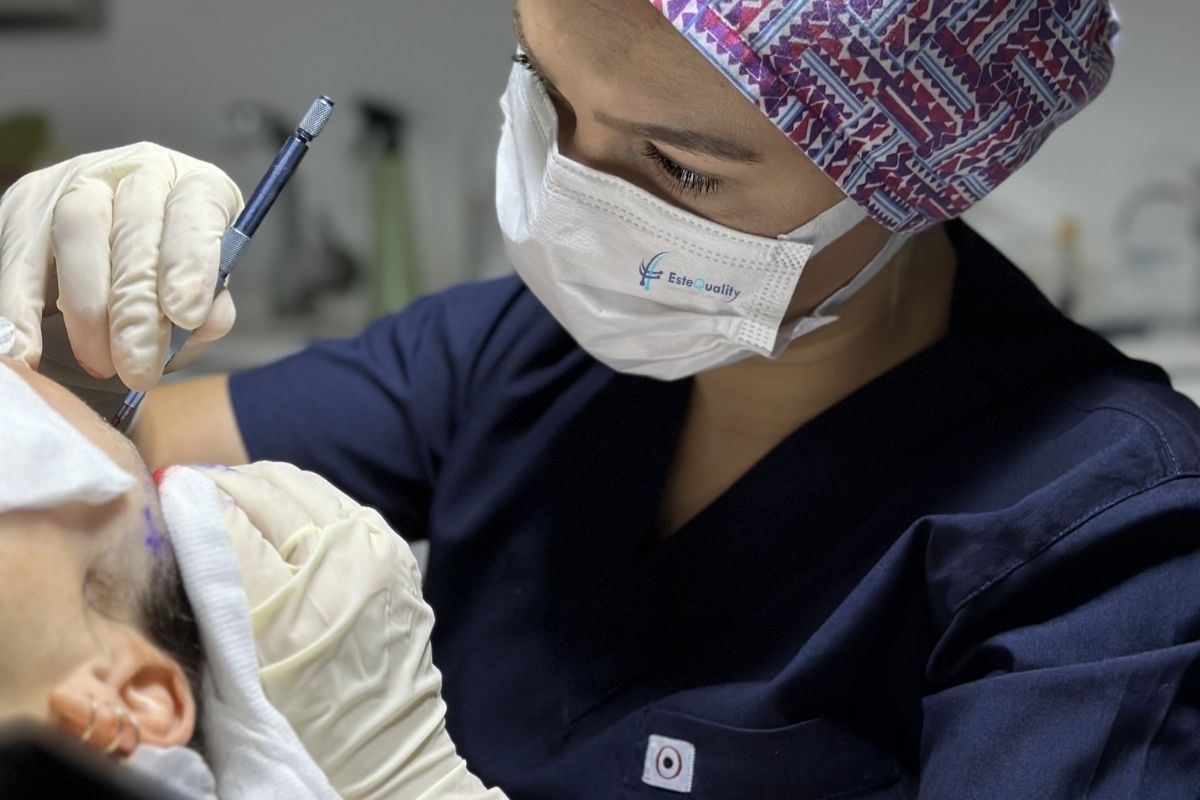
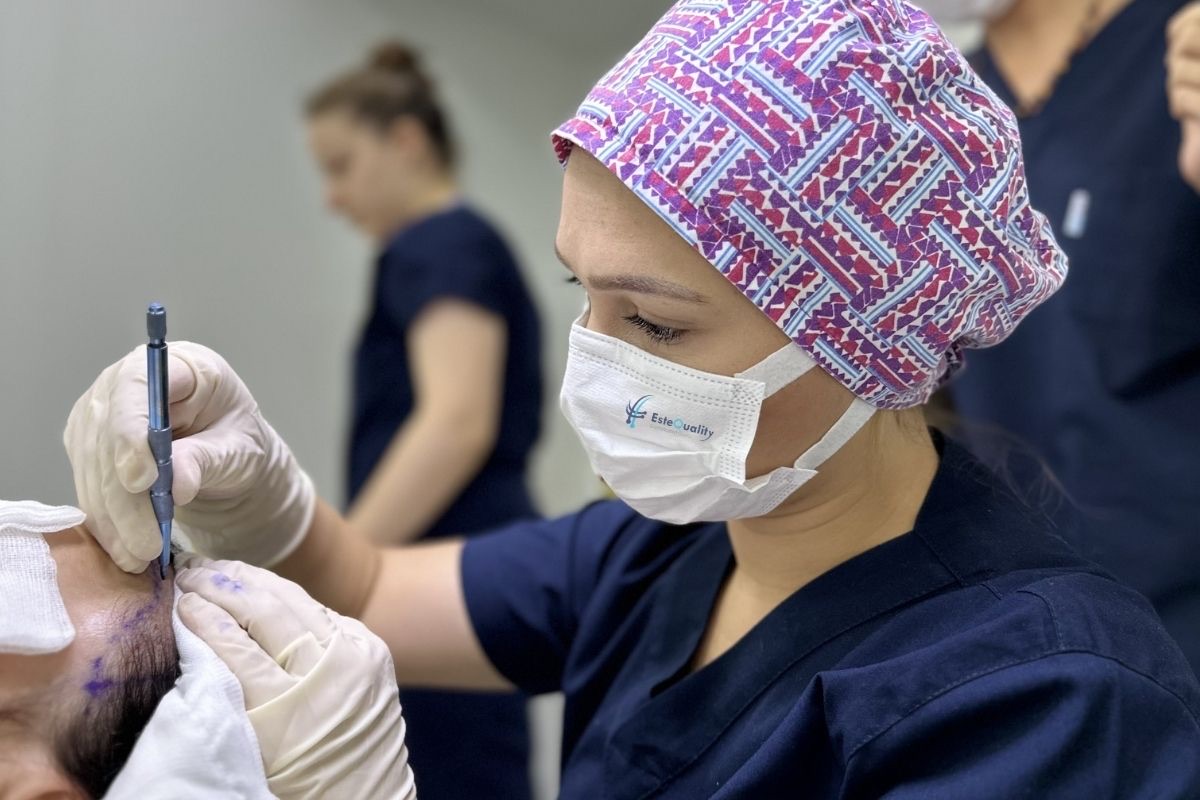
In practice, the operation follows the same broad steps whichever method is chosen. The donor area is trimmed and numbed with local anesthetic; follicular units are extracted one at a time; the recipient sites are prepared at the right angle and direction to match your natural growth; and the grafts are placed. Between extraction and implantation, grafts are stored in chilled lactated Ringer’s solution at 4–5 °C, one of the standard holding solutions in hair transplantation, to limit the time they spend outside the body. The care taken over angle, direction, and density during those last two steps is what separates a natural-looking hairline from an obvious one, and that is a matter of the physician’s planning, not the brand name of the tool.
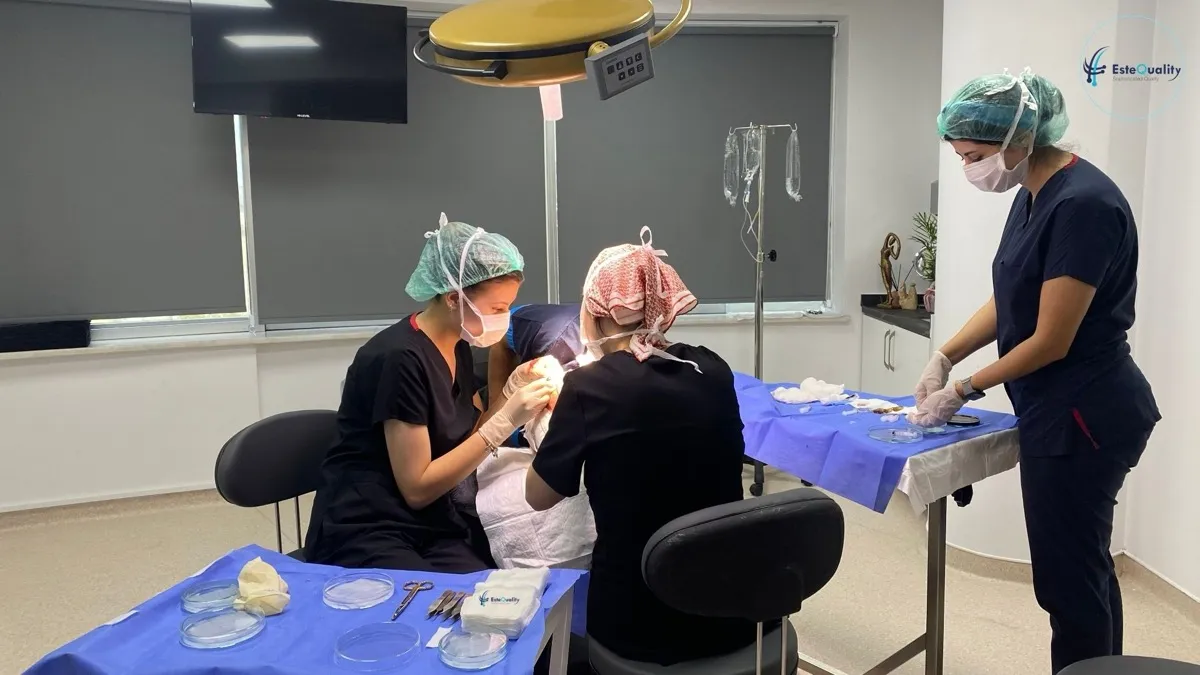
If shaving your head is a concern, an unshaven approach is possible in some cases, where only the donor area is trimmed and the recipient area is left longer. Whether it suits you depends on the number of grafts and the area treated, see our unshaven hair transplant page, and we assess it individually.
There is no single “best” method for everyone; the right choice depends on your hairline, the area treated, and your hair type. We explain the trade-offs in detail on our dedicated pages, see Sapphire FUE hair transplant and DHI hair transplant. (We do not run a separate FUE page; the fundamentals of FUE are covered within the Sapphire FUE page.)
Natural hairline planning
A natural result starts with the hairline. The physician designs it to suit your face, age and the way your hair grows — the shape of the line, the density and the angle of each channel, so the transplanted hair grows in the right direction. The plan is agreed with you before anything is implanted.
How many grafts and donor planning
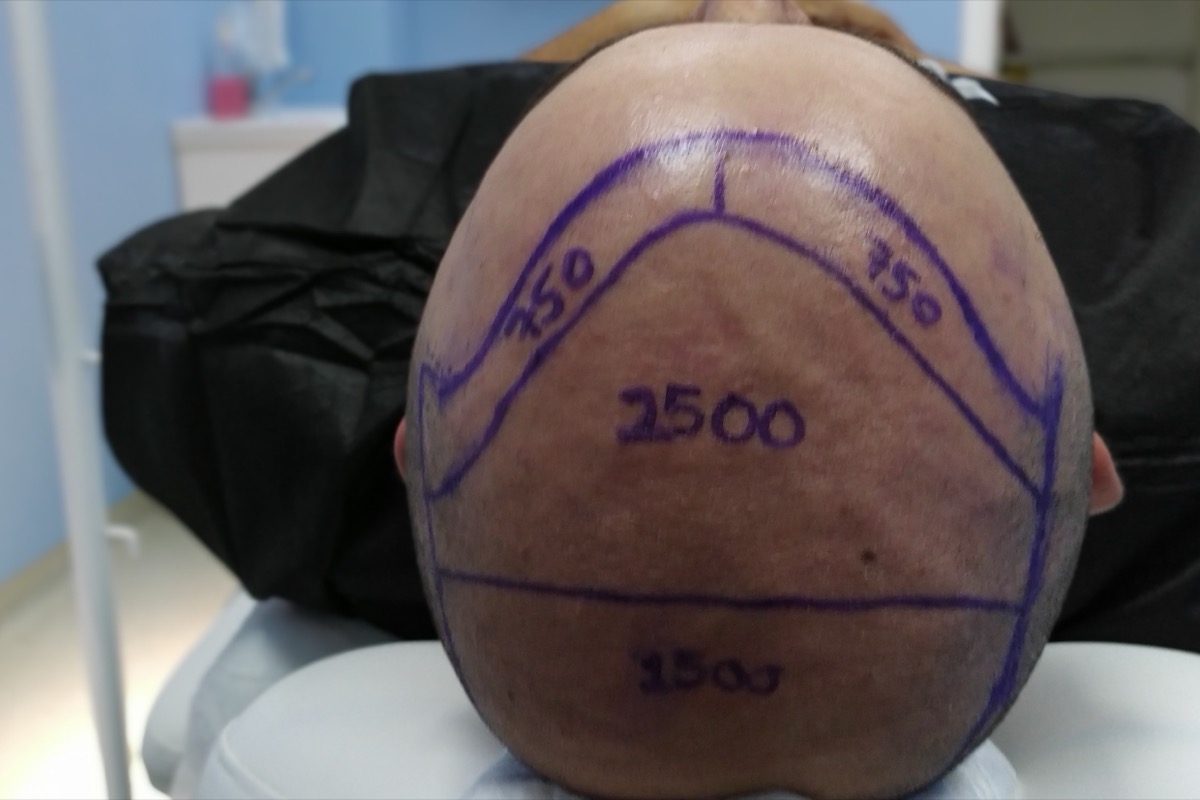
The number of grafts you need depends on how much area is thinning and how much density you want. As a rough guide, a frontal hairline and temples often needs fewer grafts than adding the crown, but only an assessment of your scalp gives a real figure.
Protecting your donor area. Your donor hair is finite, so the goal is never to take as many grafts as possible — only what the donor can give without being thinned or damaged. We assess your individual donor capacity and plan every extraction to protect its long-term density and natural look, so the result holds up over time rather than chasing a graft number. Taking grafts the right way matters more than taking a lot of them.
Your donor area (usually the back and sides of the scalp) is the limiting factor. The hair there is genetically less sensitive to the hormone (DHT) that drives pattern hair loss, which is why transplanted hair from this zone tends to keep growing in its new location [7]. But the donor supply is not unlimited, so a good plan protects it: we do not overharvest one area to cover another, because an overharvested donor zone is difficult to repair.
It also helps to think about density realistically. A transplant restores coverage and framing; it rarely recreates the density of a full teenage head of hair, and trying to chase that number in one session can waste donor grafts. For larger areas, a planned two-session approach (spaced far enough apart to let the first session settle) is sometimes the sounder route than overloading a single operation. We would rather plan for a result that lasts than promise a graft count that looks impressive on paper.
If you want to estimate your own case before you travel, our hair transplant graft calculator is a useful starting point, and we confirm the plan during your consultation.
Cost in Turkey, what’s included
In Turkey, the procedure alone starts from €1,700, while an all-inclusive package (accommodation and transfers included) currently runs from €2,100 to €4,200, updated September 2026. PRP applied during the procedure and a two-month vitamin supply are included in the package.
We keep the full package table, options, and what each tier covers on one page so the information stays current and clear. See hair transplant packages in Turkey for the complete breakdown.
When comparing quotes, put physician involvement and the aftercare next to the price, and compare what each package includes line by line. To see how prices differ between countries, see our hair transplant cost by country comparison.
Your treatment journey in Istanbul
Most international patients plan for a short stay in Istanbul. Here is what to expect.
- Before you travel: you send photos, we do a remote hair analysis, and we agree on a plan and an estimate.
- Day 1, arrival: you land in Istanbul and are transferred to your hotel.
- Day 2, the hospital day: we collect you from your hotel. First comes an in-person consultation: your pre-operative questions, your expectations, and the design of your hairline (or beard or eyebrow line). You approve the design before anything else happens. Payment is settled at the hospital after the consultation and before the procedure. The area is then shaved, and you are screened for infectious diseases with a blood test. If you choose sedation, additional blood tests, a chest X-ray and an ECG are done first. The procedure usually takes place the same day, under local anesthetic. If screening shows a contraindication, the procedure is not performed, and only the transfer, accommodation, hospital and material costs are charged, and you are told this in the pre-operative questions document before you travel.
- Day 3, first wash and travel home: a morning medication reminder, then pickup from your hotel at 11:00. At the hospital the bandage is removed, the area is checked, and you are shown a hands-on first wash. You are then transferred to the airport with your post-operative care pack.
The procedure day is long but not painful once the local anesthetic takes effect; you are awake throughout, there are breaks, and many patients read or watch something. A specific scab-removal wash follows at home around day 10, guided by video, so nothing depends on remembering a conversation.
Transfers and accommodation arrangements are described on the packages page. We will tell you honestly how many days to allow rather than compressing the timeline to sound convenient.

How your treatment is supervised
Your safety rests on how care is organized, planned, and documented. Here is how we work.
- Under the leadership of a plastic surgery specialist (plastic, reconstructive and aesthetic surgery), the planning and hairline design are carried out by physicians certified in hair transplantation [1].
- The physician performs the donor extraction and channel opening. In FUE and Sapphire FUE, implantation is carried out by the trained assistants under physician supervision; in DHI, the physician places the grafts with the implanter pen.
- Procedures take place in a fully equipped hospital environment.
- Our medical content is reviewed for accuracy by a qualified physician (see the author box below), and we publish our editorial policy, medical review policy, revision policy, and clinical documentation policy.
Your consultation on the hospital day covers your pre-operative questions, your expectations, and your hairline design; you approve the design, and the procedure follows the same day.
After the procedure, every patient receives three things:
- A written Hair Transplant Operation Report, date, facility, procedure and technique, planned and actual graft count, donor and recipient areas, duration, and notes. You receive the signed and stamped originals in person on the day you are discharged; we do not send them by email. It is an objective record of what was done, not a guarantee of outcome.
- A post-operative care pack, partly on WhatsApp and partly as a printed or PDF folder: medication leaflets and instructions, do’s and don’ts, washing videos for hair, beard and eyebrow (including the day-10 scab-removal wash), sleeping-position guides, any special instructions (for example, donor-area repair), and emergency contact details.
- The Revision Policy, which explains who is eligible, the aftercare obligations you agree to, and what is excluded, including the natural progression of hair loss and donor suitability. A final assessment is made at 12 months; a free revision is not automatic, but decided by a medical assessment.
You can read both our clinical documentation policy and our revision policy in full before you commit.
Recovery and 12-month follow-up
Recovery follows a fairly predictable path, though the timing varies from person to person:
- First 1–2 weeks: scabs form and fall away; you follow a gentle washing routine, including the day-10 scab-removal wash.
- Days 15–30: most transplanted hairs shed, expected and not a failure.
- Weeks 4–12: resting phase, with little visible change.
- Months 3–6: new growth begins to appear.
- Months 9–12: most patients see close to the final result, with the crown often taking longest [3].
A few practical points help recovery go smoothly. In the first days you sleep slightly elevated to reduce swelling, avoid heavy exercise and direct sun, and follow the washing routine exactly as shown. Most people feel comfortable returning to desk work within a few days, though visible scabbing can take up to two weeks to clear. The itch that comes with healing is normal and eases as the scalp settles.
We stay close to your progress on a set schedule: daily photos until the 10th wash, then monthly through to 12 months. A final assessment is made at 12 months. If a revision is indicated, its date is fixed by month 18 and it is carried out by month 24 at the latest. We stay reachable in between if you have questions, and we guide you through the early weeks day by day.
See month-by-month healing on our women’s hair transplant and DHI pages, which include recovery timelines.
Frequently asked questions
Is Turkey safe for a hair transplant?
A hair transplant is generally safe when it is performed by a qualified medical team in a proper clinical setting [8]. Pre-operative screening (including infectious-disease blood tests, and an ECG and chest X-ray before sedation) is part of the standard process. The variable is the clinic, not the country, so check who operates, where, and what follow-up is offered before you book.
How much does a hair transplant cost in Turkey?
The procedure alone starts from €1,700; all-inclusive packages currently range from €2,100 to €4,200, as of September 2026. The full breakdown of what each tier covers is on our hair transplant packages page.
Do I need to pay a deposit?
No deposit is needed to book. Payment is settled at the hospital on your procedure day (after your consultation and before the procedure), so you confirm the plan in person first.
What happens if my blood tests show a problem?
If pre-operative screening shows a contraindication, the procedure is not performed. In that case only the transfer, accommodation, hospital and material costs are charged, and this is explained to you in the pre-operative questions document before you travel.
How many days do I need to stay in Istanbul?
Most patients plan for about three days: arrival and transfer to your hotel on day one, the hospital day with your consultation and procedure on day two, and a first-wash check on day three before flying home. We confirm the exact timing with your plan.
FUE, Sapphire FUE or DHI, which technique is right for me?
It depends on the area treated, your hair type, and the density you want. Sapphire FUE and DHI are refinements of FUE rather than different surgeries [6]; we recommend a method after assessing your scalp.
How many grafts will I need?
That depends on the area thinning and your donor supply. A frontal restoration usually needs fewer grafts than adding the crown, but only an in-person assessment gives a reliable number.
When will I see the final result?
Growth is gradual. Most patients see close to the final result at around 9–12 months, with the crown often taking a little longer [3].
Do you offer a guarantee?
We do not use guarantee language, because a biological result cannot be honestly guaranteed. What we do offer is a clear revision policy and a structured follow-up: daily photos until the 10th wash, then monthly to a 12-month final assessment, with any revision dated by month 18 and carried out by month 24 at the latest.
Sources
- ISHRS, Hair transplant surgery must be performed/supervised by a licensed physician. (International Society of Hair Restoration Surgery)
- ISHRS, Donor area assessment and management of donor supply.
- AAD, Hair transplant: what to expect, grafts, shedding and regrowth timeline. (American Academy of Dermatology)
- NHS, Male and female pattern baldness; when hair loss pattern stabilizes.
- NHS, Causes of hair loss (distinguishing pattern loss from telogen effluvium / medical causes).
- ISHRS, FUE variants (Sapphire blade, DHI implanter) as refinements of follicular unit extraction.
- AAD, Donor-area follicles’ relative resistance to DHT (“donor dominance”).
- NHS / Mayo Clinic, Risks of hair transplant surgery (swelling, infection, folliculitis, shock loss).


