
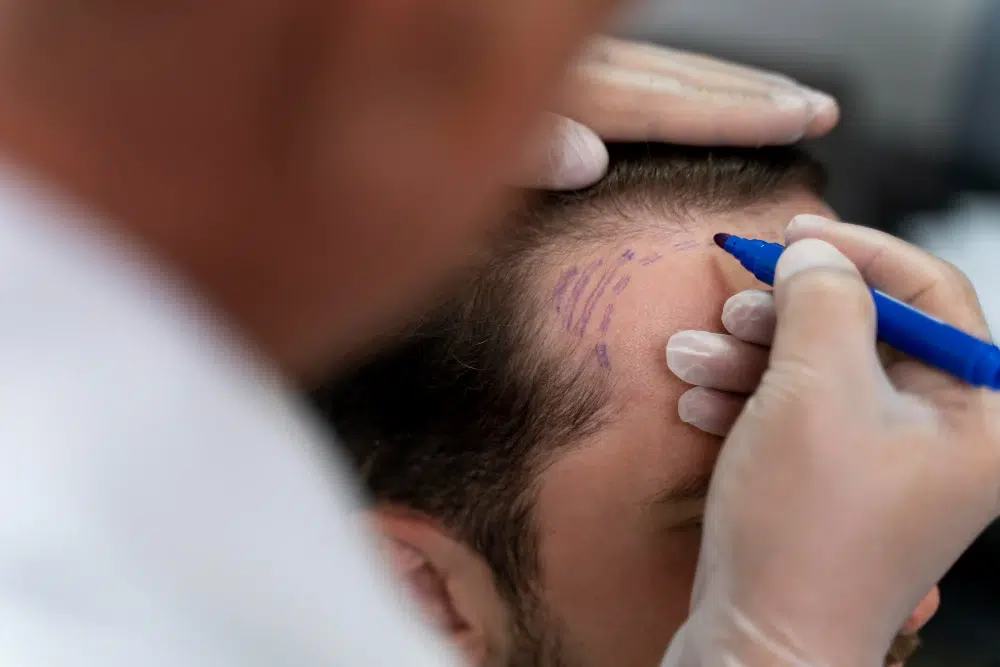
A natural hair transplant is the perfect blend of artistic hairline design and technical precision. To achieve undetectable results, surgeons must focus on correct hair angles, strategic graft placement using Sapphire FUE or DHI techniques, and careful donor area management. While the journey involves a “shock loss” phase in the first few weeks, the final, seamless results typically appear between 12 to 18 months, leaving no visible trace of a surgical procedure.
What Makes a Hair Transplant Look Natural?
In the early days of hair restoration, “hair plugs” often resulted in a synthetic, doll-like appearance. Today, thanks to advanced techniques like FUE and DHI, we can mimic nature with incredible precision. But technology alone isn’t enough. A natural look depends on three pillars:
- Customized Design: No two foreheads are the same. A natural result must respect the patient’s age, facial structure, and ethnic background.
- Strategic Density: Placing too much or too little hair in the wrong places can create an artificial look.
- The Art of Subtlety: Nature is rarely perfectly symmetrical. Small, intentional “imperfections” often make the result look more authentic.
The Importance of Hairline Design
The hairline is the “frame” of your face. If the frame is wrong, even the most expensive painting looks off. When designing a natural hairline, our specialists at EsteQuality focus on:
- The Golden Ratio: We use facial proportions to determine where the hairline should start. A hairline placed too low can look aggressive, while one too high may not provide the desired rejuvenation.
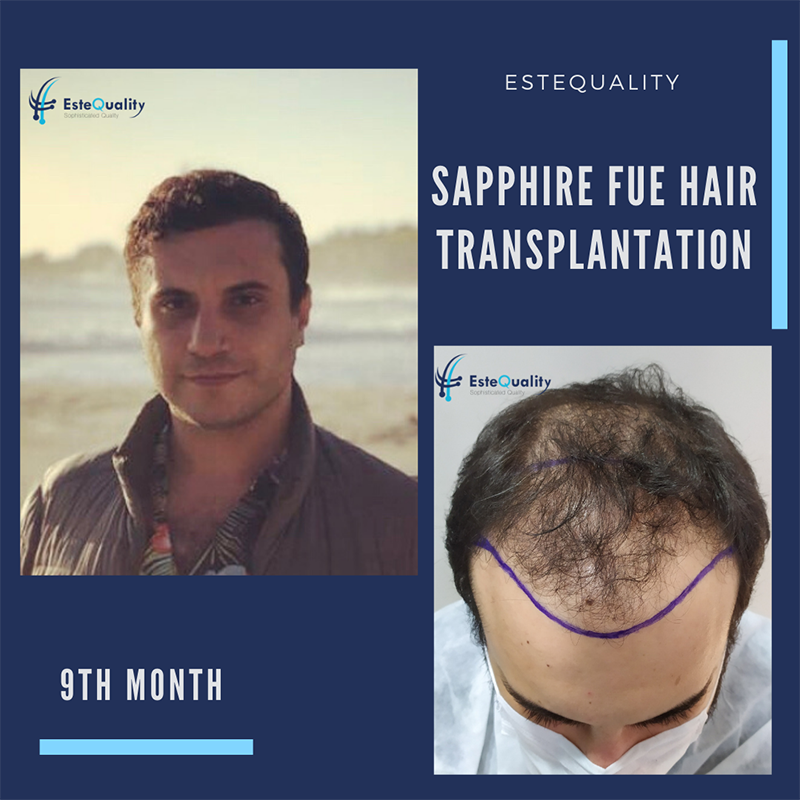
- Avoiding the “Straight Line”: In nature, a hairline is never a ruler-straight line. We use a “micro-zigzag” technique to create a soft, staggered transition that blends seamlessly with the forehead skin.
- Single Graft Placement: The very front of the hairline should only consist of single-hair follicles. Placing grafts with multiple hairs (2s or 3s) at the very front is a common mistake that leads to a “pluggy” look.
By focusing on these microscopic details, we ensure that your new hair grows in harmony with your natural features.
Placement Angles and Transplant Techniques For Natural Hair Transplant
Even with a perfect hairline design, the way each hair follicle is implanted determines the final look. The naturalness of the result depends on the exit angle of the hair and the technology used to place it.
Hair Angle and Direction
Natural hair does not grow straight up at a 90-degree angle. Every part of the scalp has its own unique flow.
- The Exit Angle: To look natural, grafts must be implanted at specific angles-usually between 10 to 45 degrees. If the angle is too wide, the hair looks “pluggy” and stiff.
- Following the Flow: Hair near the temples grows downward and backward, while the crown area (the top) follows a spiral “whorl” pattern. At EsteQuality, we mimic these specific directions so your new hair blends perfectly with any remaining original hair.
- Precision Depth: Grafts must be placed at the exact right depth. Placing them too deep can cause skin indentations, while placing them too shallow prevents the follicles from getting the blood supply they need to grow.
Advanced Surgical Techniques For Natural Hair Transplant
We use two primary methods to ensure high density and a natural skin texture:
1. Sapphire FUE
Instead of traditional steel blades, we use blades made from real sapphire crystals.
- Micro-Incisions: Sapphire blades are much sharper and thinner, allowing us to open smaller channels. This enables us to pack grafts closer together for higher density.
- Minimal Trauma: Because the incisions are cleaner, there is less tissue damage. This ensures that the scalp surface looks smooth and natural once healed.
2. DHI (Direct Hair Implantation)
This method combines channel opening and graft implantation into a single step.
- The Choi Pen: We use a specialized tool called a “Choi Pen” to implant the follicle directly into the skin.
- Total Control: The pen gives the surgeon 360-degree control over the angle, direction, and depth. This is the most effective technique for creating a natural look, especially when filling in thinning areas between existing hair.
Donor Area Management, Proportions, and Recovery
A natural hair transplant isn’t just about the area where hair is added; it is also about protecting the area where hair is taken from and ensuring the new look fits your face perfectly.
Donor Area Management
The “donor area” (usually the back and sides of the head) is a finite resource. To keep this area looking natural after the procedure, we follow two strict rules:
- Homogeneous Extraction: We do not take too many grafts from one single spot. By spreading the extraction evenly across the donor zone, we ensure that your hair still looks thick and full in the back, even if you choose to wear it short.
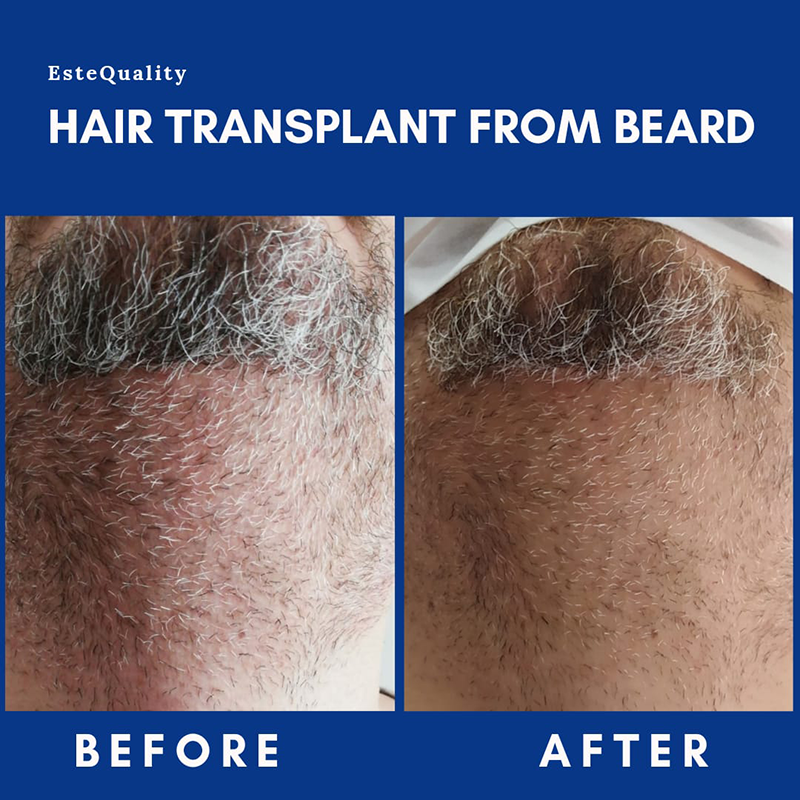
- Follicle Preservation: Using micro-punches, we minimize tissue damage. This prevents visible scarring and ensures the donor area heals quickly without “patchy” spots.
Facial Proportions and the Golden Ratio
A hairline that looks great on one person might look fake on another. At EsteQuality, we use facial geometry to customize every procedure:
- The Rule of Thirds: We balance the distance between the chin, the nose, and the new hairline. This symmetry is what makes a transplant look “born with it” rather than “surgical.”
- Age-Appropriate Design: A 40-year-old patient should generally not have the same ultra-low hairline as a teenager. We design hairlines that will look natural as you continue to age.
- Temple Work: Sometimes, the secret to a natural look isn’t the forehead, but the temples. Restoring the temple “peaks” helps frame the face correctly.
Recovery and the “Shock Loss” Phase
Understanding the timeline is key to a stress-free recovery. The most important thing to know is that your hair will look worse before it looks better.
- The First 10 Days: This is the healing phase where tiny scabs form. Once these scabs are washed away (around day 10), the scalp looks clean and the transplanted hair begins to show.
- Shock Loss (Weeks 2-8): Almost every patient experiences “Shock Loss.” This is when the newly transplanted hair shafts fall out. Do not panic. The follicles remain healthy under the skin; they are simply entering a resting phase before growing permanent hair.
- Scalp Health: Proper post-op care ensures the skin texture remains natural without redness or irritation in the long term.
Results Timeline and Long-Term Care
A natural hair transplant is not an overnight transformation. It is a journey that requires patience. Understanding the growth stages and how to maintain your new hair is essential for a lifelong result.
The Growth Timeline: When Will It Look Natural?
Your hair goes through several biological phases before reaching its final density.
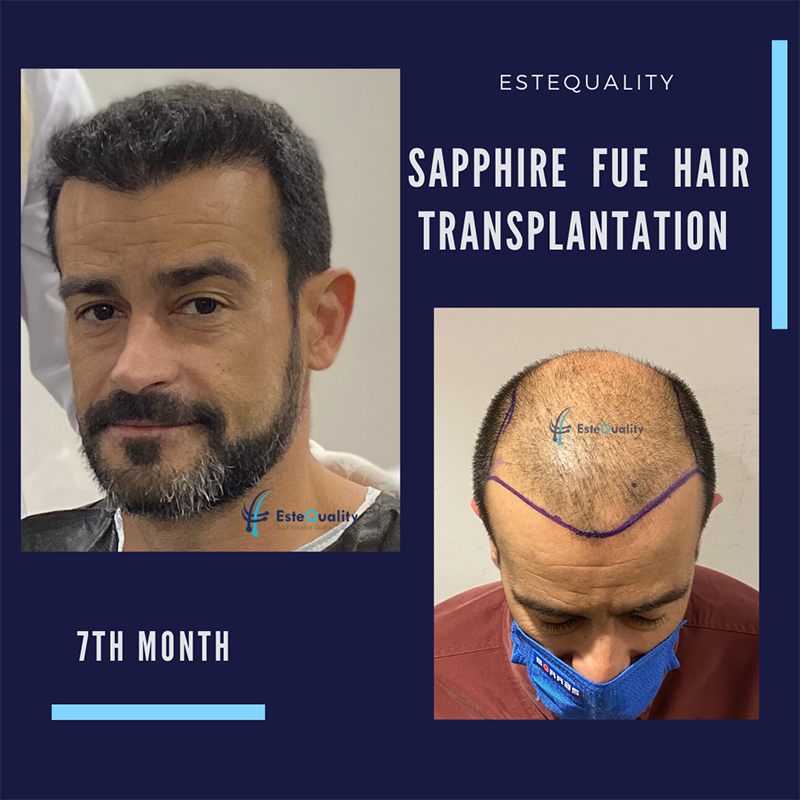
- Months 3 to 4: This is when the first new hairs begin to sprout. Initially, the hair may be thin and fine (like baby hair), but this is a sign that the follicles are active.
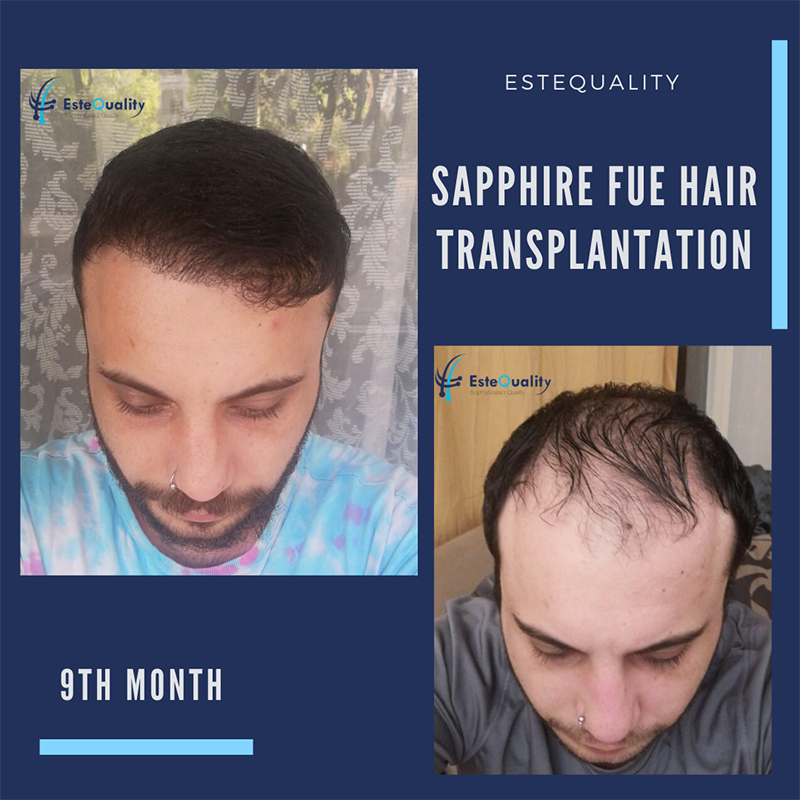
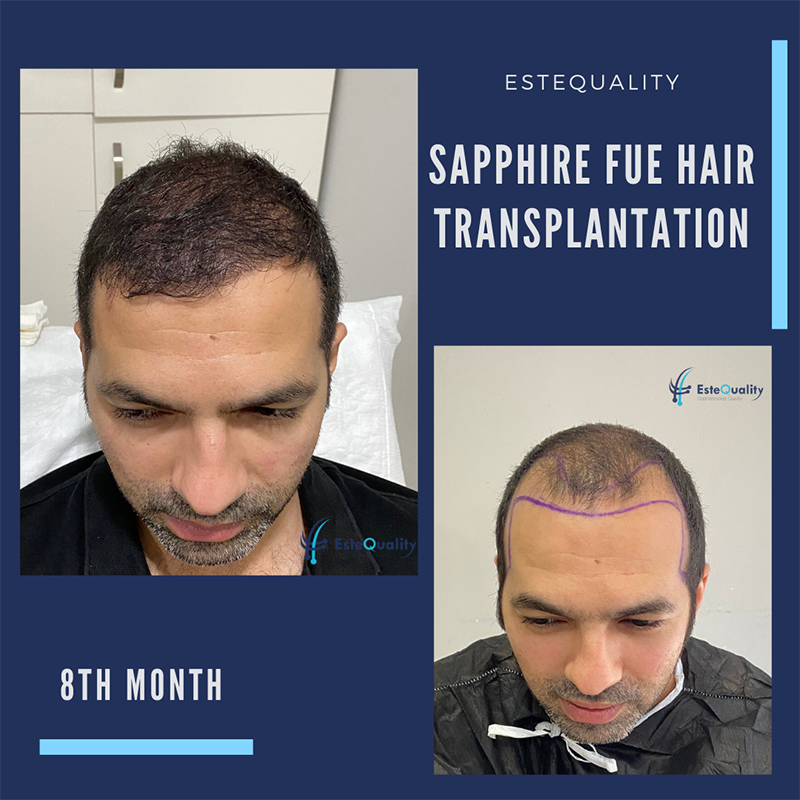
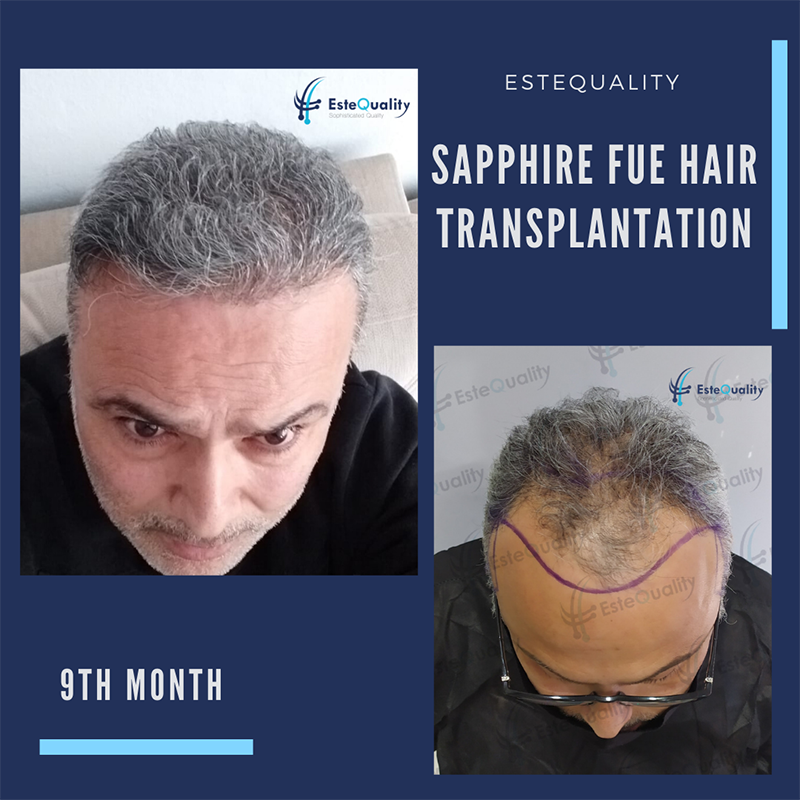
- Months 6 to 9: You will notice a significant increase in density. The hair becomes thicker and longer. This is usually the stage where you can start styling your hair differently.
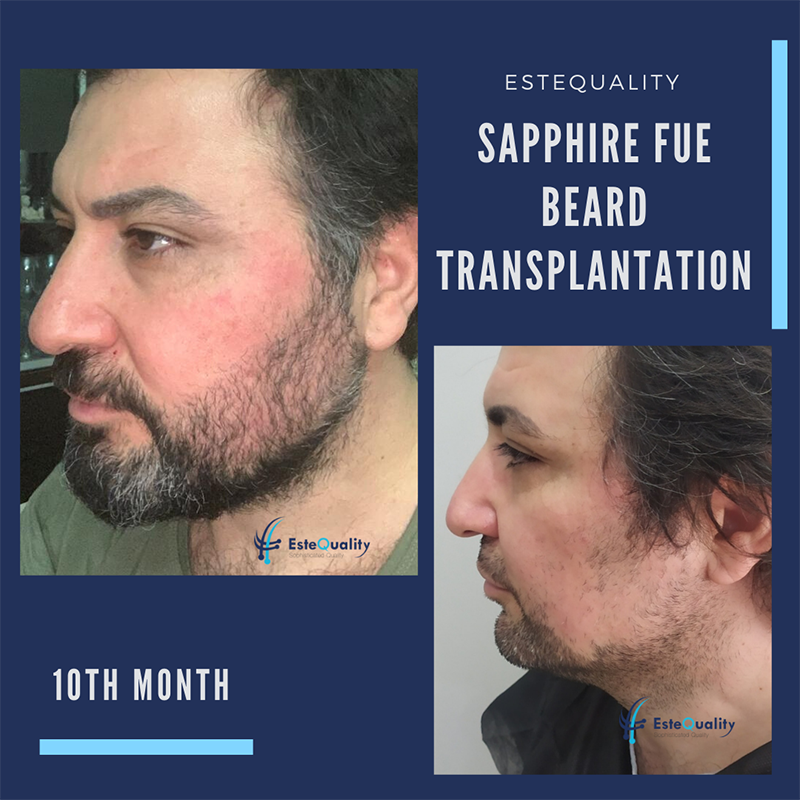
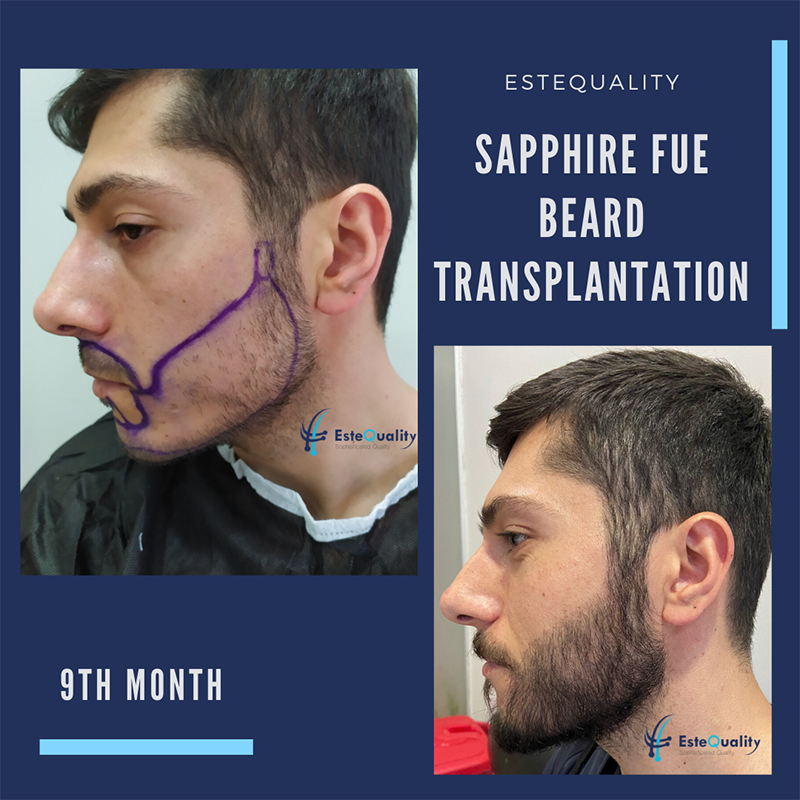
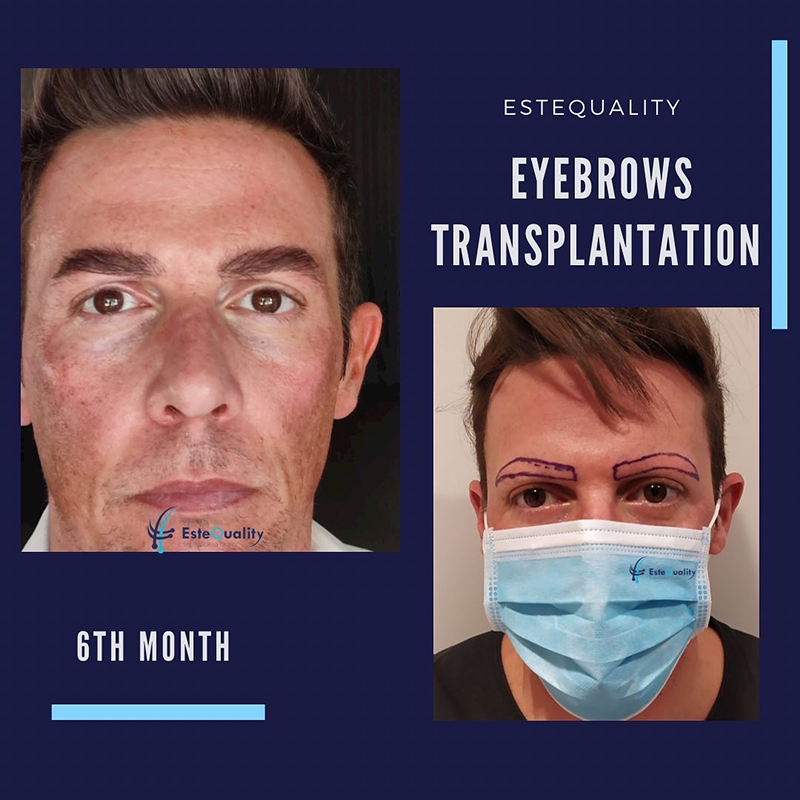
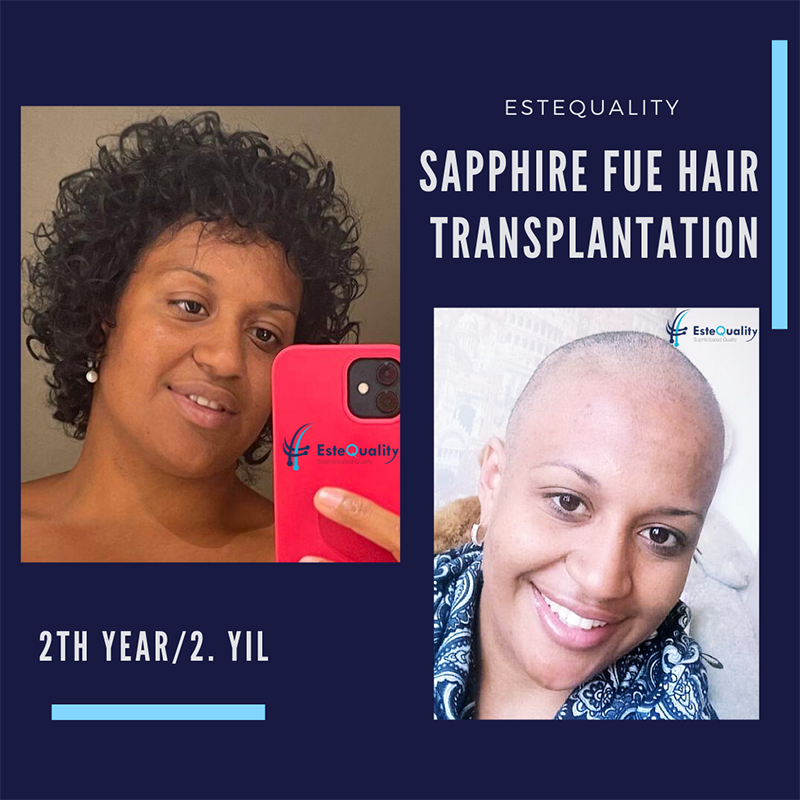
- Months 12 to 18: This is the final result. By this time, the transplanted hair has reached its full thickness and texture, blending perfectly with your original hair. The transition from the forehead to the scalp should now be completely undetectable.
Long-Term Maintenance for Natural Hair
Once your hair has grown in, it is permanent. However, maintaining the health of both your transplanted and existing hair is vital.
- Supportive Treatments: We often recommend treatments like PRP (Platelet-Rich Plasma) or Hair Mesotherapy. These boost blood circulation to the follicles, making the hair look shinier and stronger.
- Hair Care Products: Use sulfate-free and paraben-free shampoos for the first few months to avoid irritating the scalp. Keeping the scalp healthy ensures the hair looks natural and vibrant.
- Healthy Lifestyle: A diet rich in vitamins (especially Biotin, Zinc, and Vitamin B12) supports the keratin production needed for thick hair growth.




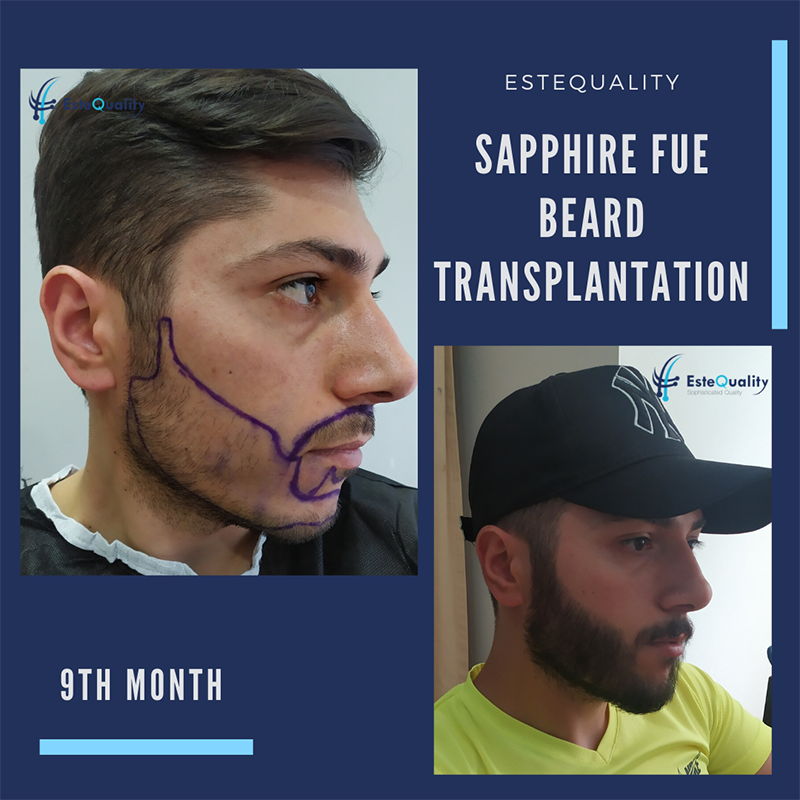

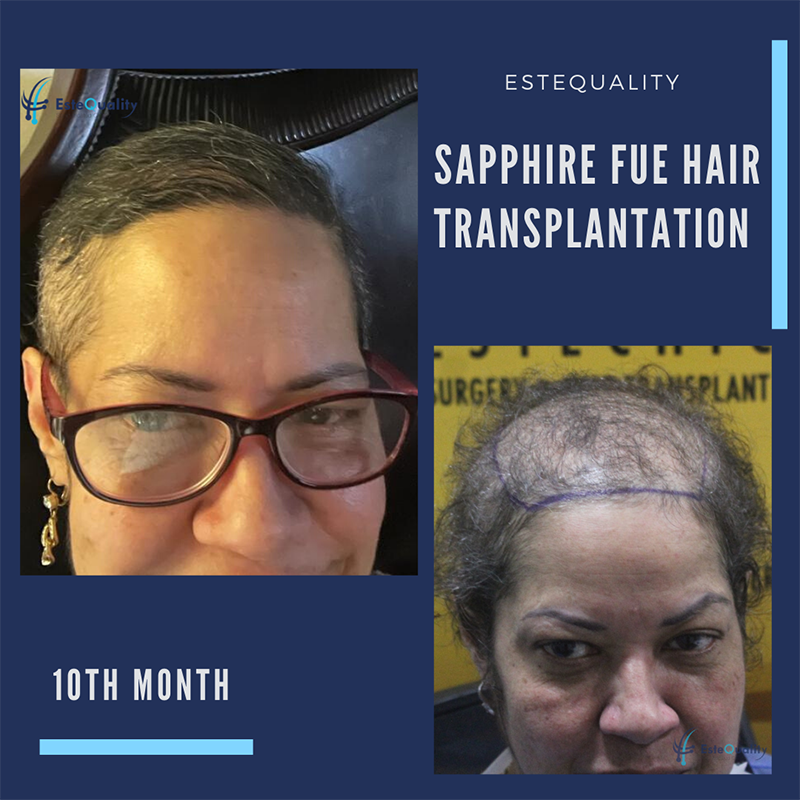


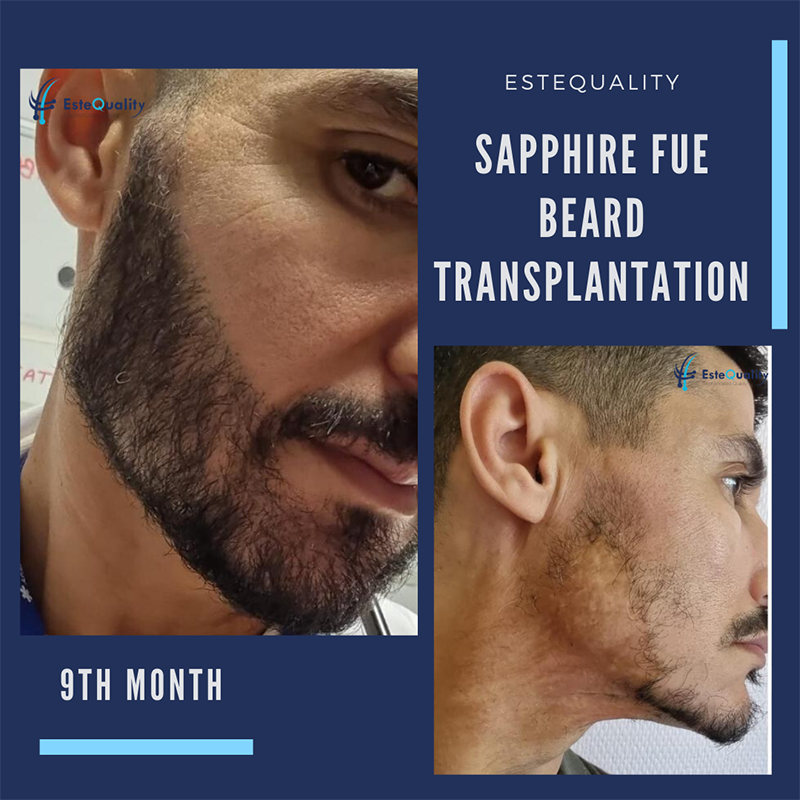
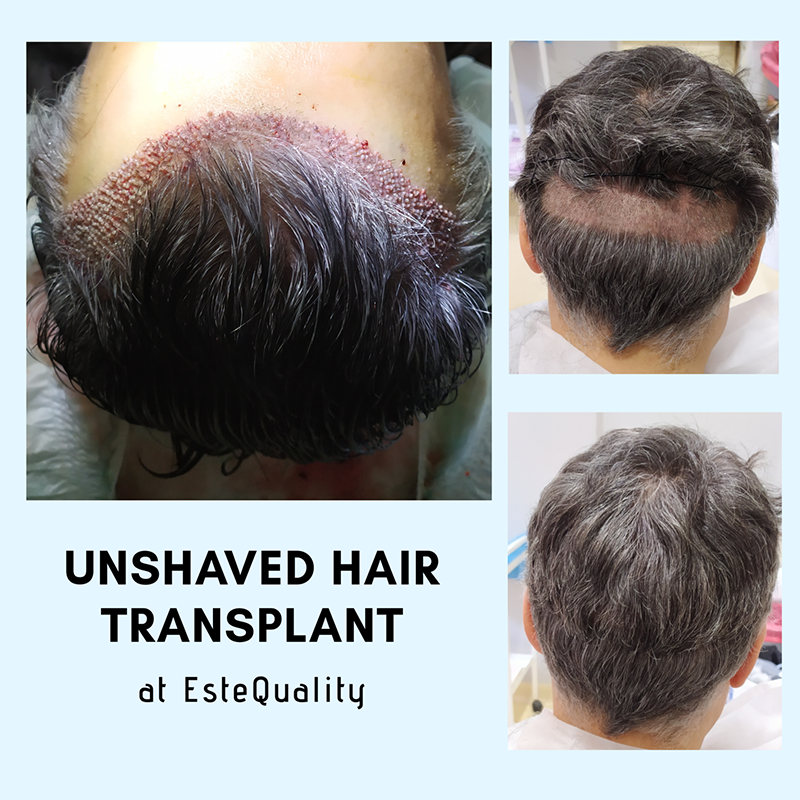




Conclusion: Why Choose EsteQuality for Natural Hair Transplant?
Achieving a natural hair transplant is a combination of advanced technology and surgical artistry. At EsteQuality clinic, we don’t just move hair from one place to another; we redesign your look to restore your confidence.
By focusing on:
- Customized Hairline Design
- Precision Angles with Sapphire & DHI
- Careful Donor Management
We ensure that your results are not just “good,” but completely undetectable.
