
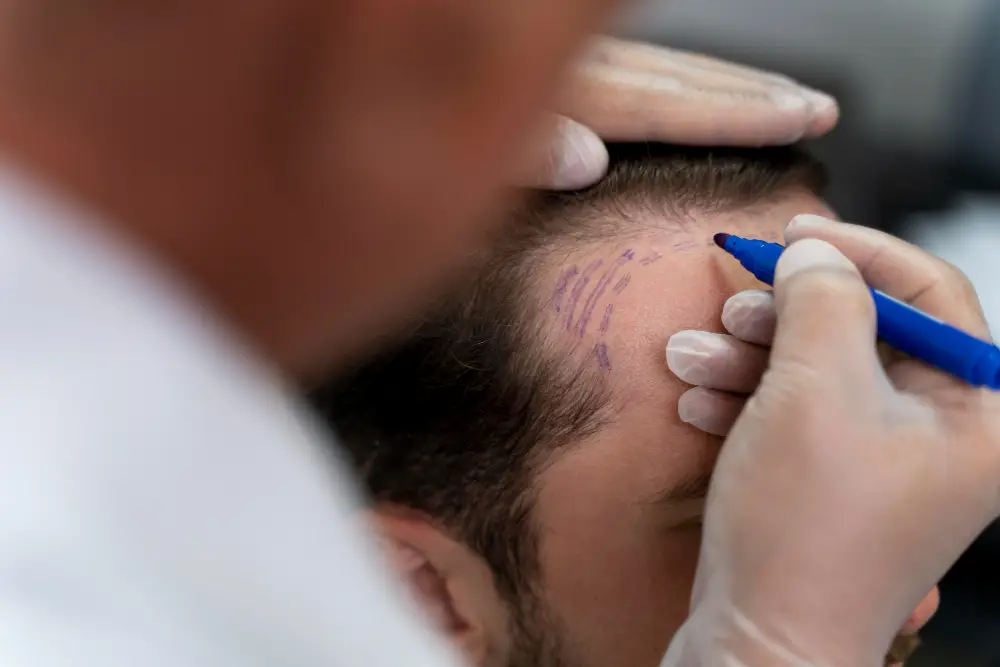
TL;DR: Yes, you can get a hair transplant in summer, and it can be a smart time for patients who want flexible scheduling, easier vacation planning, and possible seasonal package advantages. Summer is not a problem by itself; poor aftercare is the real risk. The main things to control are direct sun exposure, heavy sweating, swimming too early, scalp hygiene, and friction on the grafts. For many international patients, summer can also be cost-effective when treatment, hotel, transfer, and recovery time are planned together.
Can you get a hair transplant in summer?
Yes, you can get a hair transplant in summer if you can follow aftercare rules properly. Hair transplant surgery is not limited to winter or colder months. The procedure can be performed in summer, but the patient must be more careful with sun, sweat, swimming, and outdoor activity during the early healing period. The key point is simple: summer does not damage transplanted hair by itself. The risk comes from exposing the healing scalp to heat, UV rays, sweat, pool water, sea water, tight hats, or poor hygiene too early.
Patients should plan the first recovery days around rest, indoor time, careful washing, and scalp protection. Direct sun exposure should be avoided during early healing, and patients should follow detailed hair transplant aftercare instructions before returning to outdoor summer activities.
Is summer a good time for a hair transplant?
Summer can be a good time for a hair transplant because patients often have more flexible schedules, vacation time, and recovery privacy. Many patients prefer summer because they can use annual leave, travel more easily, and avoid work or social pressure during the early scabbing and redness phase. This makes the first recovery period easier to manage.
The main advantages are:
- Easier use of vacation days
- More time to rest after surgery
- More flexible travel planning
- Less work-related pressure during recovery
- Better privacy during early redness and scabbing
- Early healing can be completed before autumn
- Hair growth progress can start before the end of the year
Summer is especially practical when the patient treats the trip as a medical recovery plan, not as a beach holiday.
Are hair transplant prices lower in summer?
Hair transplant prices can be more attractive in summer when clinics offer seasonal packages, flexible dates, or travel-friendly treatment plans. This does not mean every clinic is automatically cheaper in summer. It means summer can create better value for some patients because treatment, accommodation, transfers, and recovery time may be planned together more easily. For international patients, the total cost is not only the surgery fee. Flights, hotel, airport transfers, time off work, aftercare, and follow-up planning all affect the real cost of the trip. Patients planning treatment during summer can compare hair transplant packages in Turkey to understand what may be included in the full treatment journey.
Why can summer hair transplant packages be more cost-effective?
Summer hair transplant packages can be cost-effective because patients can combine treatment, travel, accommodation, and recovery time in one organized plan. The value is not only about paying less. A good package can reduce planning stress and make the patient journey smoother. This is especially important for patients traveling from another country.
A cost-effective summer plan may include:
- Treatment planning
- Hotel accommodation
- Airport transfers
- Local transportation
- First wash or early control
- Post-operative instructions
- Medical consultation
- Recovery schedule guidance
This is why “cheaper” and “better value” are not the same thing. A low price without proper planning, donor analysis, medical supervision, and aftercare can become more expensive if the result is poor.
What affects the cost of a summer hair transplant?
The cost of a summer hair transplant depends on graft number, technique, donor area quality, hair loss stage, clinic experience, and package inclusions. A patient with mild hairline recession may need a smaller plan than a patient with advanced crown and frontal thinning. The number of grafts, complexity of placement, donor area condition, and technique all affect the treatment plan.
| Cost factor | Why it matters |
| Graft number | More grafts require more planning, time, and donor management |
| Technique | FUE, DHI, and Sapphire FUE may involve different planning needs |
| Donor area quality | Weak donor areas need more conservative extraction |
| Hair loss stage | Advanced loss may require broader coverage |
| Hairline design | Natural design requires precision, not just density |
| Package inclusions | Hotel, transfer, medication, and aftercare affect total value |
| Clinic experience | Planning quality affects naturalness and safety |
| Travel timing | Flights and accommodation can change the total trip cost |
The right question is not only “How much does it cost?” The better question is “What is included, and is the plan medically suitable for my donor area and hair loss stage?”
Is a cheaper summer hair transplant always better?
No, the cheapest summer hair transplant is not always better. Price matters, but it should not be the only decision factor. A natural result depends on donor area protection, graft survival, hairline design, surgical planning, hygiene, and aftercare. A very cheap option can become risky if it involves rushed planning, excessive graft extraction, poor density design, or weak follow-up. Before choosing a clinic based only on price, patients should review real hair transplant before and after results to understand naturalness, density, hairline design, and donor-area quality.
A good summer hair transplant should balance three things:
- Fair cost
- Safe medical planning
- Natural long-term results
The goal is not to find the lowest price. The goal is to find the best value for a safe and natural outcome.
What are the benefits of getting a hair transplant in summer?
The main benefits are possible price flexibility, easier vacation planning, more recovery time, and completing the early healing phase before autumn. Summer can be ideal for patients who want to recover away from work, reduce social visibility, or organize international travel more easily. It can also be useful for patients who want the early healing stage completed before the colder months.
Main benefits include:
- Possible seasonal package advantages
- Easier use of vacation days
- More flexible appointment planning
- More time to rest after surgery
- Better privacy during early healing
- Easier international travel planning
- Early recovery can be completed before autumn
- New growth timeline can begin before the end of the year
The best summer patients are not the ones who rush into treatment because of price. They are the ones who combine cost advantage with realistic planning and disciplined aftercare.
What are the risks of getting a hair transplant in summer?
The main risks are sun exposure, heavy sweating, swimming too early, tight hats, scalp irritation, and poor aftercare discipline. Summer requires more attention because the scalp is exposed to more heat, UV radiation, sweat, and outdoor activity. These factors can make early recovery harder if the patient is not careful.
| Summer risk | Why it matters |
| Direct sun exposure | Can irritate the healing scalp |
| Heavy sweating | May increase itching and discomfort |
| Swimming too early | Pool or sea exposure can affect early healing |
| Tight hats | Can create friction on sensitive areas |
| Beach holidays | Sun, sand, heat, and water are difficult to control |
| Poor washing routine | Sweat and residue can irritate the scalp |
| Outdoor exercise | Can increase sweating and swelling risk |
The practical message is clear: summer hair transplant can be safe, but summer aftercare must be taken seriously.
Can you go in the sun after a hair transplant?
You should avoid direct sun exposure during the early healing period after a hair transplant. The recipient area and donor area are sensitive after surgery. Direct sunlight can increase redness, irritation, dryness, and discomfort. It can also make early recovery harder to manage, especially in hot climates.
A safer summer plan includes:
- Avoiding direct sunlight during the first recovery phase
- Staying indoors during peak sun hours
- Using clinic-approved head protection only when allowed
- Avoiding sunbathing completely in early recovery
- Keeping the scalp clean and calm
- Following the clinic’s washing and care routine
- Delaying beach and outdoor activity until the scalp is healed
The key rule is simple: the scalp should not be treated like normal skin immediately after surgery. It needs protection, shade, and time.
Is sweating bad after a summer hair transplant?
Heavy sweating can irritate the scalp during early recovery, so intense exercise and prolonged heat exposure should be avoided at first. Sweating itself is not always dangerous, but heavy sweat combined with heat, friction, bacteria, and scratching can create problems. This is why gym workouts, running, sauna, steam rooms, and long outdoor walks in hot weather should be delayed.
Patients should be careful with:
- Gym workouts
- Running
- Cycling in hot weather
- Heavy lifting
- Sauna and steam rooms
- Long walks under the sun
- Sweaty hats or helmets
- Beach activities
The goal is to keep the scalp cool, clean, and protected while the grafts and donor area heal.
Can you swim after a summer hair transplant?
You should not swim immediately after a hair transplant. Pool water, sea water, chlorine, salt, sand, sun exposure, and infection risk can all affect the early healing period. Swimming is one of the biggest summer temptations after hair transplant, but it should be delayed until the clinic confirms that the scalp is ready.
Patients should avoid:
- Swimming pools
- Sea water
- Hot tubs
- Lakes
- Water parks
- Sauna and steam rooms
- Diving or water sports
The practical answer is this: do not plan a beach or pool holiday immediately after surgery. Plan the transplant first, recover properly, and swim later.
Can you wear a hat after a hair transplant in summer?
You can wear a hat after a hair transplant only when your clinic allows it. A hat can help protect the scalp from sun later in recovery, but wearing it too early can create friction or pressure on the grafts. The wrong hat can rub the recipient area, irritate the donor area, or trap sweat.
A safer post-transplant hat should be:
- Loose
- Clean
- Breathable
- Easy to remove
- Not tight around the hairline
- Not touching the grafts aggressively
- Approved by the clinic
The goal is to protect the scalp from sun without disturbing the healing grafts.
Which hair transplant method is better in summer?
The best hair transplant method in summer depends on the patient’s donor area, hair loss stage, graft number, and recovery expectations. The season alone should not decide the method. A patient with frontal hairline recession may need a different plan than someone with crown thinning. Donor strength, graft distribution, density goals, and hairline design matter more than the month of surgery.
Patients comparing summer surgery options may consider theDHI hair transplant technique or theSapphire FUE hair transplant method, depending on their donor capacity, hair loss pattern, and desired density.
A good method choice should answer these questions:
| Question | Why it matters |
| How many grafts are needed? | Determines the surgical plan |
| Is the donor area strong enough? | Limits safe extraction |
| Is the hairline or crown the priority? | Affects graft distribution |
| Does the patient need discreet recovery? | May influence planning |
| Can the patient follow summer aftercare? | Affects healing quality |
The best method is not the one that sounds most advanced. It is the one that fits the patient’s real case.
What does recovery look like after a summer hair transplant?
Summer recovery is similar to other seasons, but sun protection, sweat control, hydration, and hygiene need more attention. The biological healing process does not change because it is summer. What changes is the environment. Heat, sunlight, sweating, and outdoor activity can make recovery harder if the patient is not careful.
A simple recovery overview:
| Time after surgery | What usually happens |
| Days 1–3 | Sensitivity, redness, and swelling risk |
| Days 4–10 | Scabbing and early washing routine |
| Weeks 2–4 | Scabs clear and redness gradually reduces |
| Months 1–3 | Shock shedding may occur |
| Months 3–6 | Early new growth begins |
| Months 6–12 | Visible density improves |
| 12+ months | Result continues to mature |
A detailedhair transplant recovery timeline can help patients understand washing, scabbing, redness, shock loss, and early growth stages after surgery.
Summer vs winter hair transplant: which is better?
There is no single best season for a hair transplant; the best time is when the patient can follow aftercare properly. Summer can offer price flexibility, vacation planning, and easier travel scheduling. Winter can make sun and sweat control easier. The right choice depends on the patient’s lifestyle, work schedule, travel plan, and recovery discipline.
| Factor | Summer hair transplant | Winter hair transplant |
| Price/package flexibility | Often more campaign-friendly | May vary by clinic demand |
| Vacation planning | Usually easier | Depends on work schedule |
| Sun exposure | Needs more control | Easier to avoid |
| Sweating | More attention needed | Usually lower risk |
| Swimming restrictions | More inconvenient | Less relevant |
| Recovery biology | Same process | Same process |
| Travel planning | Can combine with summer leave | May be easier for some patients |
Summer is better for patients who can rest, avoid sun, and use vacation time. Winter may be easier for patients who work outdoors, sweat heavily, or cannot avoid sun exposure.
Who is a good candidate for a summer hair transplant?
A good candidate for a summer hair transplant is someone who wants flexible planning and can strictly follow aftercare rules. Summer can work well for patients who can use time off, stay indoors during early recovery, avoid swimming, and protect the scalp from direct sun.
A good summer candidate can:
- Avoid direct sun exposure
- Delay swimming and beach activity
- Pause intense exercise
- Stay in cool environments
- Keep the scalp clean
- Avoid tight hats or helmets
- Follow washing instructions
- Attend follow-up checks if needed
- Plan travel around recovery instead of tourism
Summer is practical when the patient treats the procedure as medical care, not a cosmetic add-on to a holiday.
Who should avoid getting a hair transplant in summer?
Summer may not be ideal for patients who cannot avoid sun, sweating, swimming, or outdoor work during early recovery. The procedure may still be possible, but the timing may be wrong if the patient’s lifestyle makes aftercare difficult.
Summer may be less suitable for people who:
- Work under direct sunlight
- Sweat heavily every day
- Cannot pause gym or sports
- Have a beach holiday planned immediately after surgery
- Need to wear a tight helmet for work
- Cannot avoid swimming
- Cannot follow washing instructions
- Have active scalp irritation or infection
In these cases, choosing another season may make recovery easier and safer.
Can hot weather damage transplanted hair?
Hot weather does not directly destroy transplanted hair, but it can make recovery harder. The main issue is not temperature alone. The problem is heat combined with sweat, sun exposure, dehydration, touching, scratching, and poor scalp hygiene.
Patients should focus on:
- Staying in cool environments
- Drinking enough water
- Avoiding peak sun hours
- Not scratching the scalp
- Washing as instructed
- Avoiding heavy exercise early
- Using clinic-approved sun protection when allowed
The grafts need a stable healing environment. Summer aftercare should be built around that goal.
Should you get a hair transplant before or after vacation?
You should get a hair transplant before vacation only if the vacation is planned as recovery time. If the vacation includes swimming, sunbathing, beach activity, water sports, heavy sightseeing, or nightlife, it is better to schedule the transplant after the trip. Early recovery needs rest and control.
A good post-transplant vacation looks like this:
- Indoor rest
- Air-conditioned accommodation
- No swimming
- No sunbathing
- No intense exercise
- Easy access to clinic instructions
- Enough time for washing and early care
A bad post-transplant vacation is one where the patient tries to combine surgery with beach plans.
Can you get a hair transplant in summer? Final verdict
Yes, you can get a hair transplant in summer, and it can be a smart choice when cost, travel, and recovery are planned correctly. The advantages are clear: possible seasonal package value, flexible appointments, vacation time, easier travel planning, and privacy during early healing. The risks are also clear: direct sun, heavy sweating, swimming too early, tight hats, and poor aftercare. The final answer is simple: summer is a good time for a hair transplant if you can protect the scalp, follow aftercare rules, and avoid treating recovery like a beach holiday.
Frequently asked questions about summer hair transplant
Is summer a bad time for a hair transplant?
Summer is not a bad time for a hair transplant if aftercare is controlled. The main risks are sun exposure, sweating, swimming too early, and poor scalp protection.
Are hair transplants cheaper in summer?
Hair transplant prices can be more attractive in summer when clinics offer seasonal packages or more flexible scheduling. Patients should compare total value, not only the lowest price.
Why are summer hair transplant packages more affordable?
Summer packages may be more cost-effective because treatment, hotel, transfer, recovery time, and travel planning can be combined. The best package is not only cheaper; it should also include safe planning and clear aftercare.
How long should I avoid sun after a hair transplant?
You should avoid direct sun exposure during the early healing period and follow your clinic’s specific instructions. The scalp should not be exposed to strong sunlight too early.
When can I swim after a hair transplant?
You should not swim immediately after a hair transplant. Pool, sea, hot tub, and sauna exposure should wait until the clinic confirms that the scalp has healed enough.
Can sweating damage hair grafts?
Heavy sweating can irritate the scalp during early recovery. The bigger risk is sweat combined with heat, friction, scratching, and poor hygiene.
Can I wear a cap after a hair transplant?
You can wear a cap only when your clinic allows it. The cap should be loose, clean, breathable, and should not press on the grafted area.
Is hot weather bad for transplanted hair?
Hot weather is not automatically bad for transplanted hair. It becomes a problem when it leads to sun exposure, heavy sweating, irritation, or poor aftercare.
Should I get a hair transplant before or after vacation?
You should get a hair transplant before vacation only if the vacation is planned as recovery time. If your vacation includes beach, pool, sunbathing, or intense activity, it is better to schedule surgery after the trip.


