
 Written by Çağrıbey İslamoğlu · Medically reviewed by Dr. Serhat Çehreli · November 7, 2025
TL;DR: A hair transplant can either restore your confidence or become a long-term regret. Most failed or unsuccessful hair transplants are caused by inexperienced surgeons, poor techniques, or lack of personalized care. Estequality hair transplant clinic in Turkey eliminates these risks through expert planning, advanced technology, and proven success in both first-time and corrective procedures making it the trusted choice for natural, lasting results.
Why Do Hair Transplants Fail or Become Unsuccessful?
Hair transplants often fail due to a combination of preventable issues: surgeons with limited experience may misplace grafts or design unnatural hairlines; outdated or rushed techniques can reduce the survival rate of hair follicles; clinics that neglect proper patient assessment may operate on individuals who are not good candidates; and poor hygiene, lack of post-op care, or using inappropriate tools can all contribute to an unsuccessful hair transplant result. Not all hair transplants are created equal. While the procedure is safe when done by professionals, several factors can lead to hair transplant failure:
- Inexperienced Surgeons
- Poor Technique
- Low Graft Survival Rate
- Inadequate Patient Assessment
Each of these risks can turn what should be a confidence-boosting experience into frustration and regret.
Common Signs of an Unsuccessful Hair Transplant
The most obvious signs of an unsuccessful hair transplant appear within 6 to 12 months after the procedure. These include sparse or patchy hair growth, especially in areas that were supposed to be fully restored; an unnatural or uneven hairline that doesn’t match the patient’s facial structure; visible scarring, often caused by improper technique; persistent redness or inflammation in donor or recipient areas; and worst of all, no noticeable improvement despite having undergone the procedure. If you’re unhappy with your results or notice these symptoms, your transplant may have failed and could require correction. How can you tell if a transplant has failed? Here are red flags that point to unsuccessful results:
- Sparse or uneven hair growth after 12 months
- Visible scarring or unnatural hairline design
- Continued hair loss in untreated areas
- Inflammation or poor healing at donor/recipient sites
- Patient dissatisfaction with overall appearance
If any of these symptoms appear, it may be time to consider a hair transplant revision or better yet, start with the right clinic the first time.
How Estequality Prevents Hair Transplant Failure
At Estequality, failure is not an option. The clinic applies a meticulous, patient-first approach to ensure every transplant leads to natural, lasting results.
Skilled Surgeons and Personalized Planning
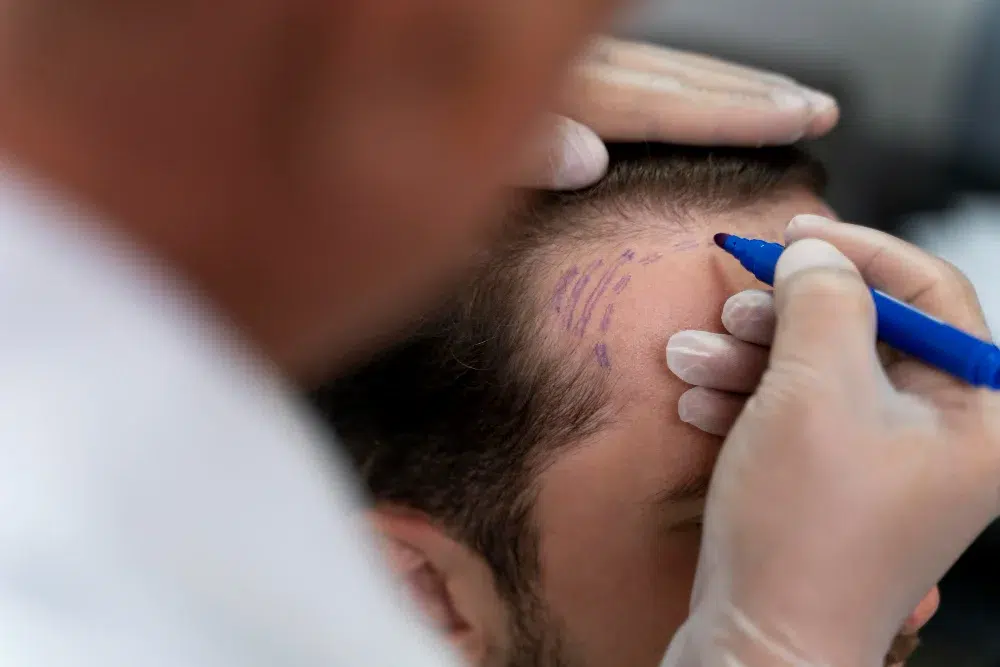
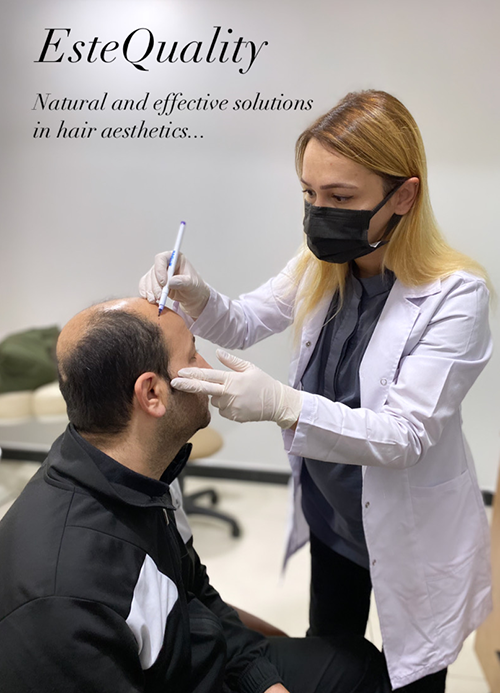
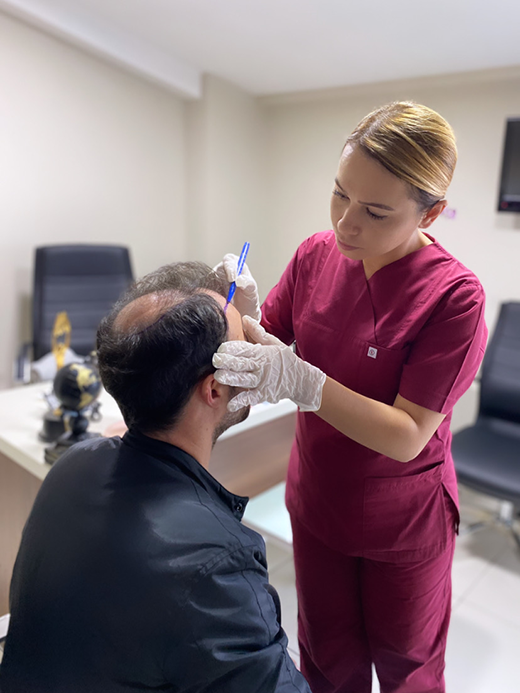
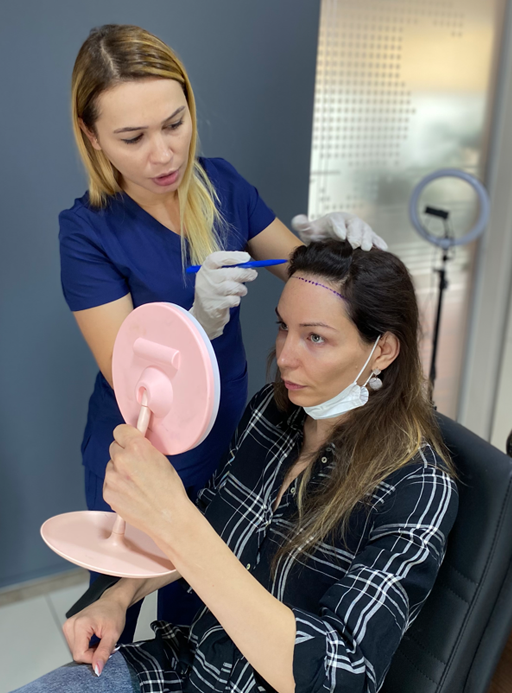
Every case at Estequality is handled by highly experienced surgeons who specialize in FUE and DHI techniques. Before the procedure:
- A comprehensive consultation is conducted to assess suitability.
- A custom hairline design is created to match your facial structure.
- Donor and recipient areas are analyzed for optimal density planning.
This level of personalization drastically reduces the risk of an unsuccessful hair restoration.
Modern Techniques and Technology
Estequality uses cutting-edge tools and techniques to:
- Maximize graft survival rate
- Minimize trauma and scarring
- Ensure precise graft placement for natural angles and density
- Speed up recovery and healing
The result is natural-looking hair that grows permanently without the common pitfalls seen in lower-cost clinics.
Estequality’s Track Record of Success
Why do international patients fly to Turkey specifically for Estequality? Because the clinic has a proven history of turning around poor outcomes and preventing them in the first place.
Here’s how Estequality delivers success where others fail:
| Clinic Factor | Low-Quality Clinics | Estequality |
| Surgeon Experience | Often General Practitioners | Certified Hair Transplant Specialists |
| Consultation Process | Rushed or Generic | In-Depth and Personalized |
| Graft Handling | High Risk of Damage | Maximum Survival Rate |
| Technique | Outdated Methods | FUE, DHI, Sapphire FUE |
| Patient Follow-Up | Minimal to None | Full Post-Op Support |
| Long-Term Results | Inconsistent or Poor | Natural, Thick, Permanent |
With hundreds of successful procedures and satisfied patients, Estequality stands as a leader not just in Turkey, but across Europe and the Middle East.



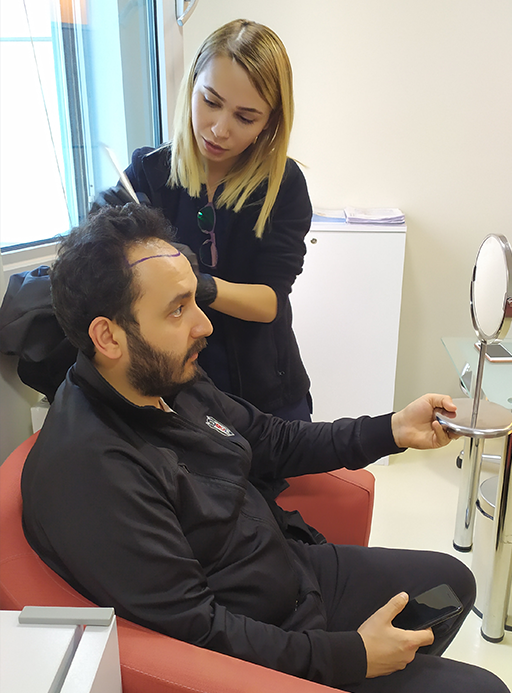

What Makes Estequality Different from Other Clinics?
With so many hair transplant clinics in Turkey, what sets Estequality apart?
Here are the key differentiators:
- Ethical Patient Selection: Estequality never performs procedures on candidates who aren’t suitable. This ensures safe, effective outcomes.
- No Hidden Costs: Transparent pricing includes consultation, procedure, medication, aftercare, and accommodation for international patients.
- Multilingual Team: English-speaking medical coordinators and interpreters ensure clear communication and comfort for international clients.
- High Medical Standards: The clinic operates in hospital-grade facilities with strict hygiene and sterilization protocols.
Unlike budget clinics that prioritize volume, Estequality focuses on quality over quantity a major reason why their patients don’t end up Googling “how to fix a failed hair transplant.”




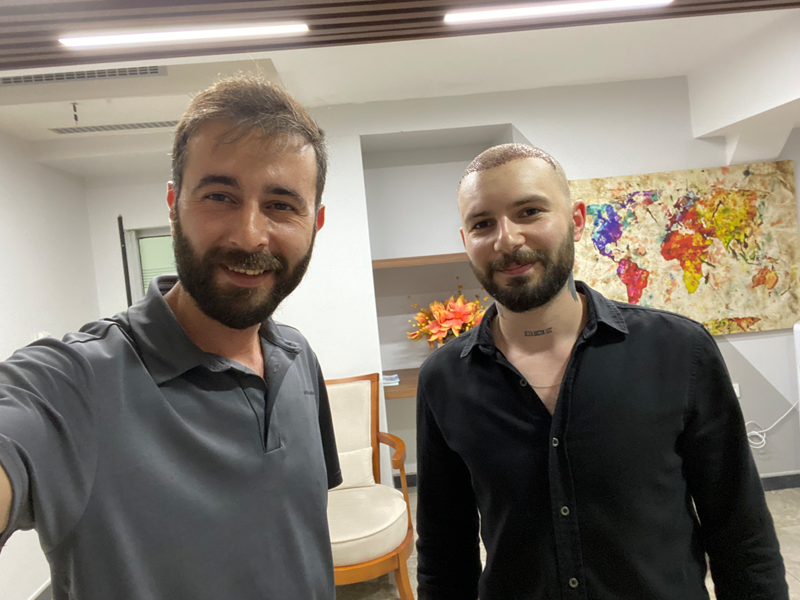




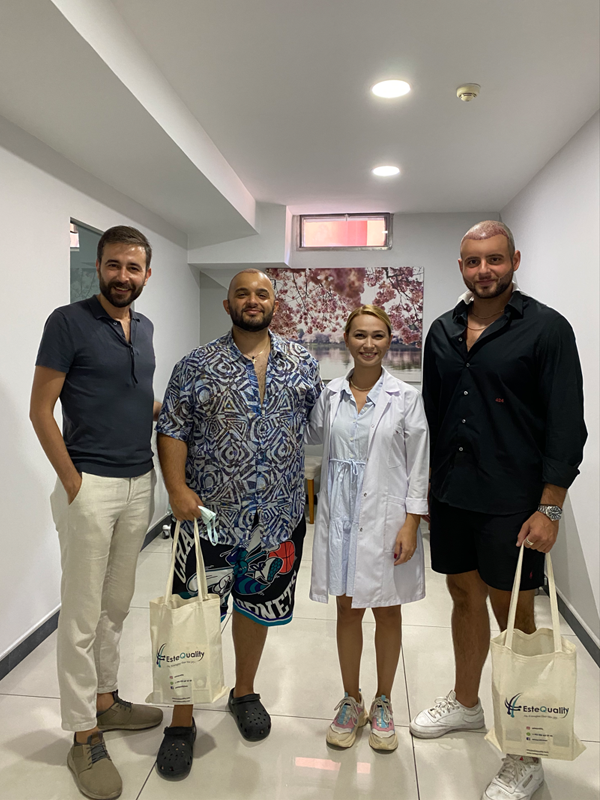




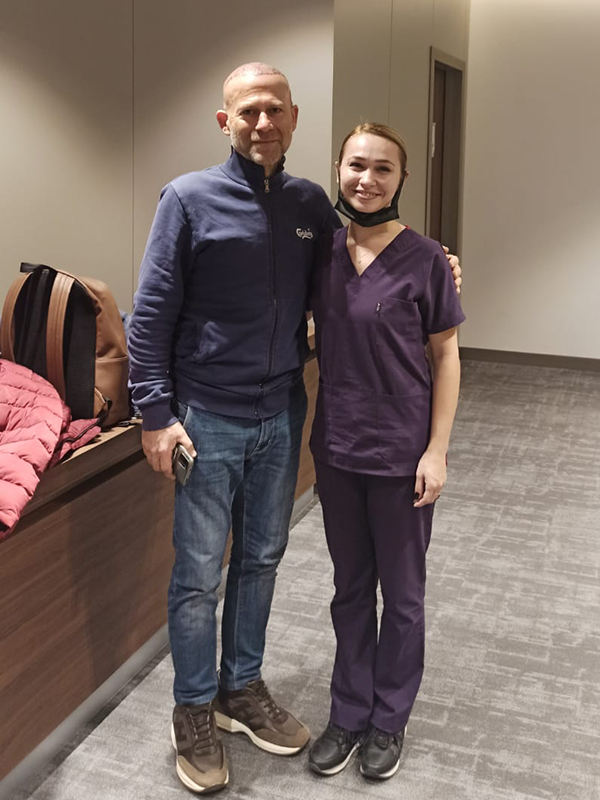




FAQs About Unsuccessful Hair Transplants and Estequality’s Approach
What causes an unsuccessful hair transplant?
The most common causes include lack of surgical skill, poor planning, low-quality tools, and inadequate post-op care. These issues lead to graft failure, unnatural hairlines, and visible scarring.
Can a failed hair transplant be fixed?
Yes. Many patients come to Estequality for hair transplant revision. The clinic specializes in correcting poor results and restoring natural density and appearance.
How do I know if my hair transplant failed?
If you experience patchy growth, unnatural hairlines, or minimal improvement after 12 months, it may be considered a failed or unsuccessful hair restoration.
Why should I choose Estequality?
Estequality offers expert surgeons, modern techniques, personalized care, and proven success in both first-time and corrective procedures. They are widely trusted by patients across Europe, the Middle East, and North America.
Is hair transplant success guaranteed?
While no clinic can promise 100% results, Estequality dramatically reduces failure risk through patient screening, advanced technology, and high medical standards making failure extremely rare.

