
Why Did My Hair Stop Growing? (Detailed Guide)
TL;DR: Hair rarely stops growing completely. Most of the time, it only seems like growth has stalled because the hair cycle has shortened, your ends … Read more

TL;DR: Hair rarely stops growing completely. Most of the time, it only seems like growth has stalled because the hair cycle has shortened, your ends … Read more

TL:DR; Shedding is a normal and temporary part of the hair cycle, while true hair loss involves weakened or shrinking follicles that lead to long-term … Read more
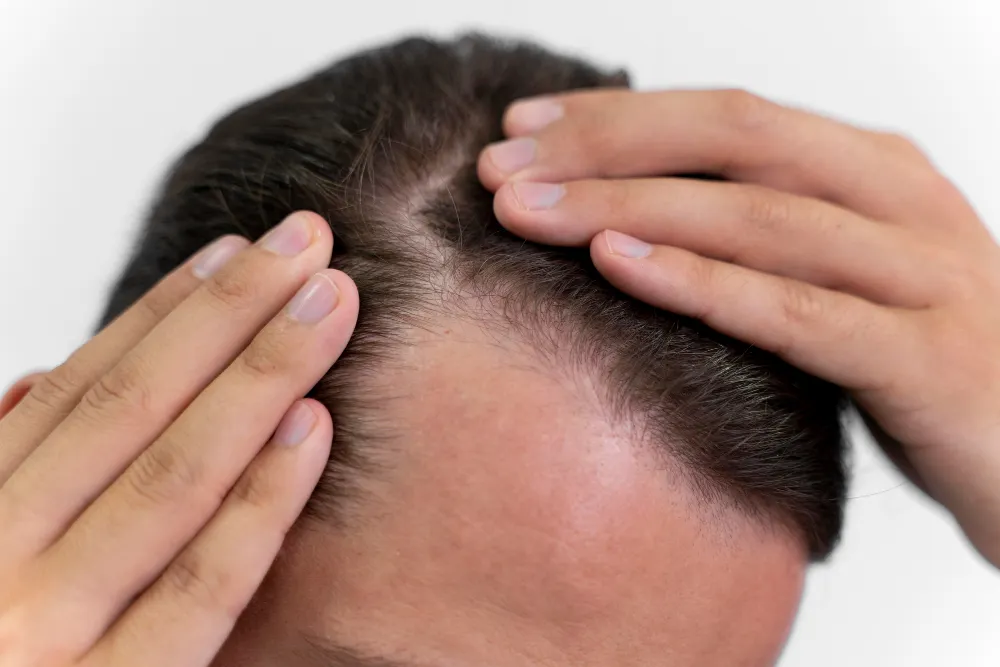
TL:DR; Hair loss can be caused by genetics, stress, poor nutrition, hormonal imbalances, or harsh hair practices but in many cases, it’s preventable. By adopting … Read more

TL;DR: The Norwood Scale is the most recognized system for measuring male pattern baldness, from mild hairline recession to complete baldness. It includes seven stages, … Read more
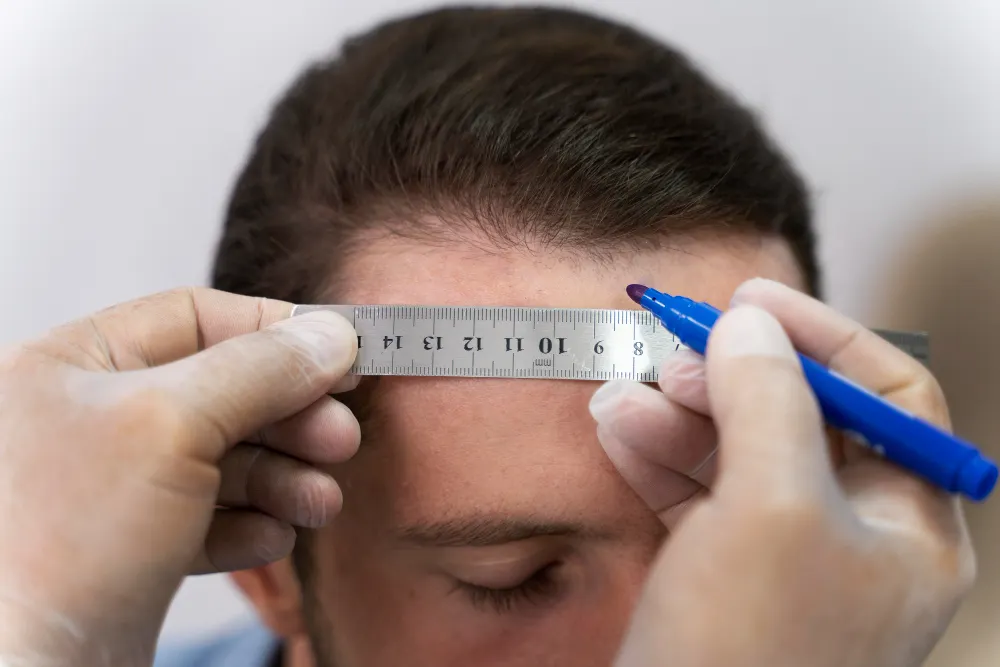
TL;DR: Norwood 2 represents the early stage of male pattern baldness, typically seen as a receding hairline at the temples without crown thinning. While mild, … Read more

TL;DR: You may be developing male pattern hair loss if the temples, frontal hairline, or crown become progressively thinner over comparable photographs. Daily shedding alone … Read more
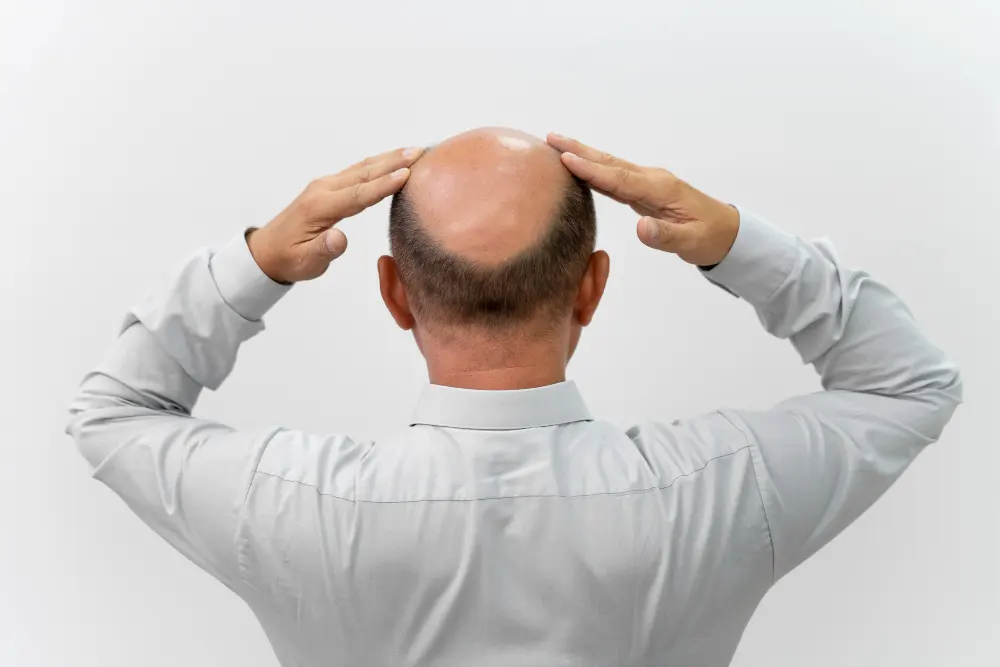
TL;DR: Baldness comes in many forms, including male pattern baldness, female thinning, alopecia areata, scarring, traction, and stress-related shedding. Causes range from genetics and hormones … Read more
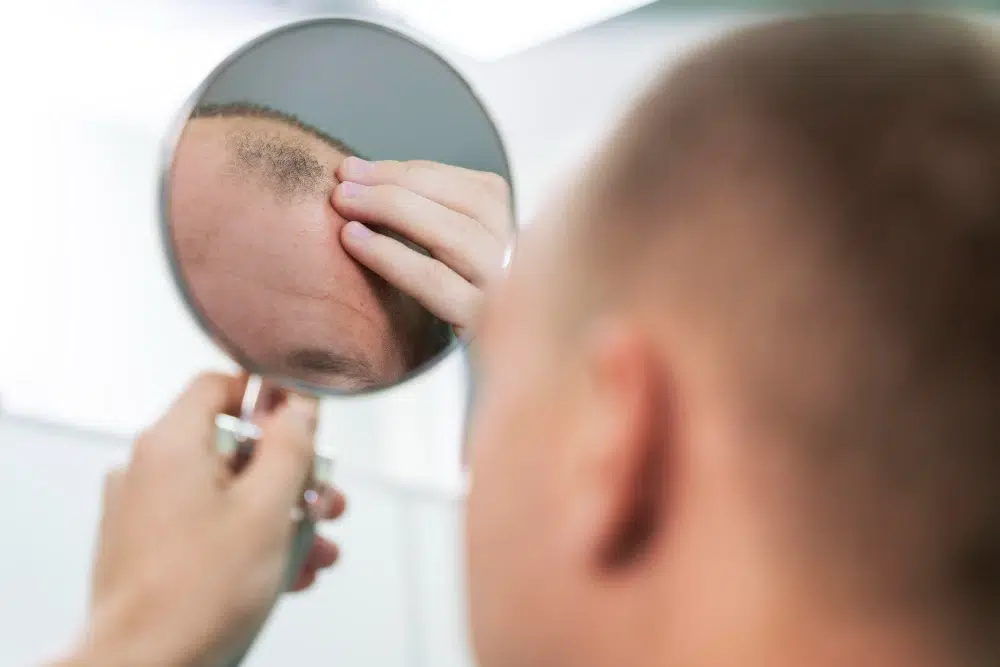
Hair loss tends to become most aggressive in your 30s and 40s, when hormonal changes, genetics, and lifestyle factors intersect. While men often begin to … Read more

TL;DR: Male pattern baldness is the most common form of hair loss in men, caused mainly by genetics and the hormone DHT. It typically follows … Read more
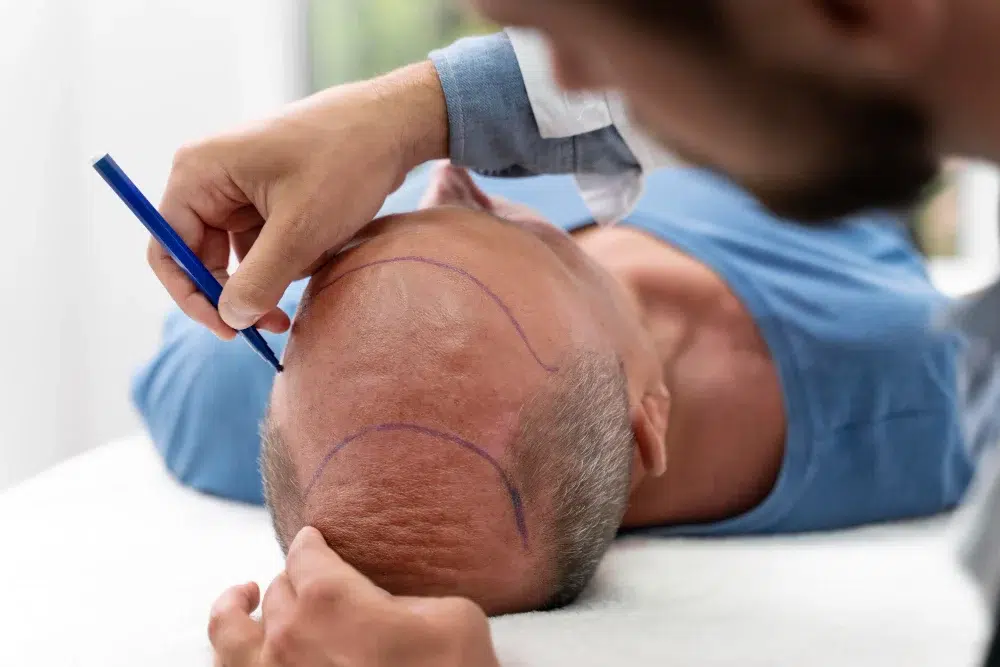
FUT and Sapphire FUE are two widely used hair transplant techniques. FUT involves removing a strip of scalp from the donor area, which leaves a … Read more
