
TL;DR: Norwood 2 represents the early stage of male pattern baldness, typically seen as a receding hairline at the temples without crown thinning. While mild, this phase is a critical point where early intervention can stop or even reverse further hair loss. Common causes include genetics, DHT sensitivity, and lifestyle factors. Treatments like Minoxidil, Finasteride, PRP therapy, and, in some cases, hair transplants, are effective when tailored to individual needs. For those considering treatment abroad, Turkey offers high-quality, affordable options with clinics like Estequality in Istanbul providing customized care for Norwood 2 patients. Not sure which stage you are? Start with our Norwood scale guide.
What Is Norwood Scale 2?
The Norwood Scale is a clinical classification system used to measure the stages of male pattern baldness (also known as androgenetic alopecia). It ranges from stage 1 (minimal or no hair loss) to stage 7 (severe baldness).
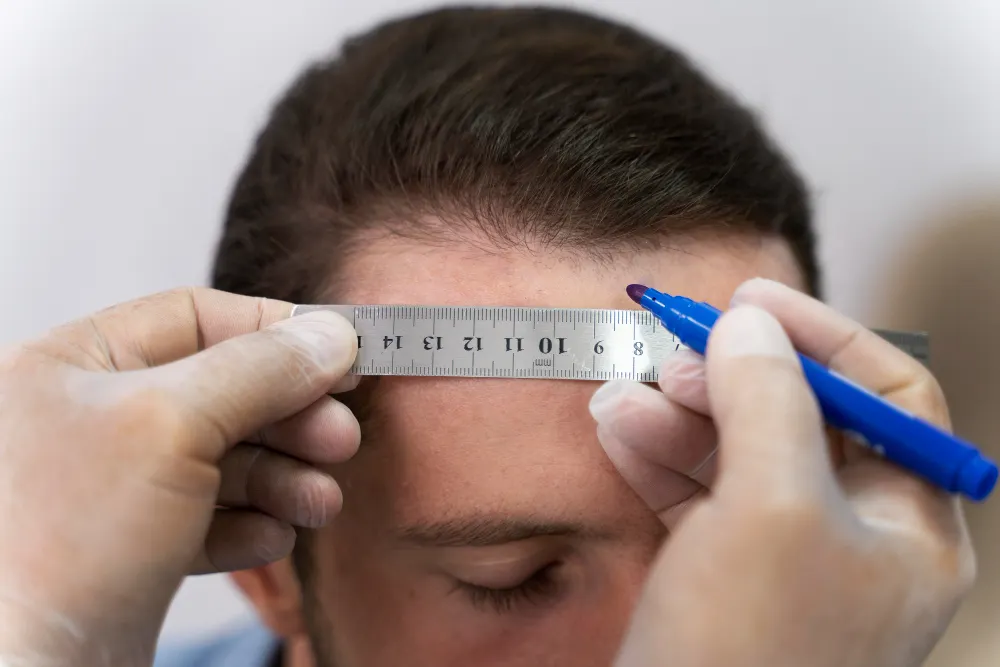
Norwood Scale 2 represents the earliest visible signs of hair loss, especially characterized by:
- A receding hairline at the temples
- A slight “M” shape forming at the front of the scalp
- No major thinning at the crown
While often overlooked, Norwood 2 can be a critical window for early intervention.
Causes of Norwood 2 Hair Loss
The main cause of Norwood 2 hair loss is genetics, specifically male pattern baldness driven by DHT sensitivity. This hormone causes hair follicles at the temples to shrink and recede. Other factors like stress, poor diet, smoking, and scalp conditions can speed up the process but aren’t usually the root cause. If hair loss runs in your family, Norwood 2 is likely the first visible sign:
Genetic Predisposition
If close relatives have experienced male pattern baldness, you are more likely to follow a similar pattern. Genetics play a dominant role in androgenetic alopecia.
Hormonal Factors
An over-sensitivity to DHT (dihydrotestosterone) can shrink hair follicles over time, particularly around the temples and hairline.
Lifestyle and Stress
Chronic stress, poor nutrition, and smoking can accelerate hairline recession, even in genetically predisposed individuals
Common Symptoms of Norwood 2 Hair Loss
At the Norwood 2 stage, symptoms may be subtle, but early signs often include:
- A slowly receding frontal hairline
- Increased hair shedding, particularly after showers or brushing
- More visible scalp near the temples
- Hair feeling thinner or finer at the front
How to Diagnose Norwood Scale 2 Hair Loss
Diagnosis typically involves:
- Visual scalp analysis by a dermatologist or hair specialist
- Reviewing family history of baldness
- Optional scalp microscopy to assess follicle health
- Self-monitoring hairline photos over time
Is Treatment Necessary at Norwood 2 Stage?
Although Norwood 2 is considered an early stage of hair loss, early hair treatments are highly recommended to prevent progression. Many men ignore this stage because the hair loss seems mild but that’s exactly why it’s the best time to act.
Benefits of early treatment:
- Preserves existing hair density
- Prevents advancement to Norwood 3 or beyond
- Improves long-term hairline aesthetics
- Minimizes future treatment costs
Top Treatment Options for Norwood 2 Hair Loss
There are several medically approved and natural treatments available for Norwood 2 hair loss. These include both non-invasive and minimally invasive options.
1. FDA-Approved Medications
- Minoxidil (Topical): Improves blood flow to hair follicles and stimulates regrowth. Most effective when used consistently.
- Finasteride (Oral): Blocks DHT production, slowing hair loss and sometimes promoting regrowth. Requires a prescription.
2. PRP (Platelet-Rich Plasma) Therapy
- A non-surgical option where your own plasma is injected into the scalp to boost follicle activity.
- Popular for early-stage hair loss due to its natural, regenerative approach.
3. Hair Transplant Considerations
- While some clinics offer transplants for Norwood 2 patients, many experts advise waiting unless there’s visible crown thinning or psychological distress.
- If a transplant is pursued, FUE (Follicular Unit Extraction) is the most common method used.
4. Natural Remedies and Lifestyle Changes
- Biotin, zinc, and vitamin D supplements
- Reducing stress through meditation, exercise, or therapy
- Avoiding harsh hair products and over-styling
- Improving diet to support scalp health and follicle strength
Can Norwood 2 Hair Loss Be Reversed?
Yes, in many cases, hair regrowth is possible at this stage especially if treatment starts early. Finasteride and Minoxidil have shown significant results in halting or reversing hairline recession when used as directed.
However, results vary based on genetics, age, and consistency of treatment.
Hair Transplant at Norwood 2: Is It Too Early?
Yes, in most cases it’s too early for a hair transplant at Norwood 2. The hair loss may still progress, and transplanting too soon can lead to unnatural results. Doctors usually recommend starting with medications or PRP to slow or stop the loss. A transplant may be considered only if the hairline is stable and the patient has clear, long-term goals. If your recession is deeper, see Norwood 3 hair loss.
When a Transplant May Be Considered:
- If the hairline recession causes significant psychological distress
- If there is family history of rapid progression and visible signs of future loss
- If the patient understands long-term planning and may need additional procedures
When to Wait:
- If hair loss is still stabilizing or fluctuating
- If non-surgical treatments have not yet been tried
- If the donor area is limited or not mature enough
In most cases, starting with medical therapy (Minoxidil/Finasteride) and PRP treatments is the preferred first step.
Preventing Progression Beyond Norwood 2
Staying at Norwood 2 is possible with proactive care. Here are expert-backed strategies:
Daily Habits
- Use a DHT-blocking shampoo
- Avoid tight hairstyles that cause traction
- Use sun protection for your scalp
Monthly or Long-Term Strategies
- Stick to your medication plan
- Monitor progress through photos
- Consult a hair specialist annually to adjust treatments
The goal is to maintain current density and prevent movement into Norwood 3 or higher stages.
How to Treat Norwood 2 Hair Loss in Turkey
Turkey is globally recognized as a leading destination for hair loss treatments, especially for early-stage interventions like Norwood 2. Our hair transplant in Turkey page and packages explain the process; for early cases we often use unshaven and DHI hairline work.
Why Choose Turkey?
- Access to world-class clinics with experienced specialists
- Cost-effective treatments compared to Europe or the US
- Packages often include accommodation, airport transfers, and follow-up care
Why Choose Estequality?
Estequality, located in Istanbul, offers personalized treatment plans for Norwood 2 patients, including:
- PRP and mesotherapy sessions
- Finasteride and Minoxidil protocol management
- Non-aggressive Sapphire FUE hair transplant for eligible candidates
- Multilingual support and transparent pricing
Estequality’s expert team ensures that every patient receives the right treatment based on their stage, goals, and long-term hair health.
FAQs About Norwood 2 Hair Loss
Here are answers to some of the most frequently asked questions specifically related to Norwood 2, with unique angles not directly covered in previous headings:
1. How do I know if I’m stuck at Norwood 2 or still progressing?
Monitoring your hairline every few months through photos is the best way to detect progression. If the recession stays stable over 6–12 months, you may be “stuck” at Norwood 2. Increasing shedding, crown thinning, or deeper temple recession may indicate movement toward Norwood 3.
2. Does Norwood 2 always mean I’ll go bald later on?
Not necessarily. Some men remain at Norwood 2 for life, especially if the hairline stabilizes and there’s no family history of advanced baldness. Genetics and hormonal factors largely determine whether further hair loss will occur.
3. Is Norwood 2 hair loss common in men under 25?
Yes, it’s relatively common. Many men in their early 20s begin to notice a maturing hairline, which can resemble Norwood 2. However, not all maturing hairlines lead to aggressive baldness. Early evaluation helps distinguish between normal aging and early-stage male pattern baldness.
4. Can I use natural oils to stop Norwood 2 hair loss?
While natural oils like rosemary, peppermint, and castor oil may improve scalp health and circulation, they are not clinically proven to stop androgenetic alopecia. They work best as supportive care alongside medical treatments like Minoxidil.
5. Will exercise or diet help reverse Norwood 2 hair loss?
Exercise can improve overall blood flow and reduce stress, both of which support hair health. A diet rich in iron, zinc, and omega-3s also helps. However, lifestyle changes alone are unlikely to reverse genetic hair loss without targeted treatment.
6. Can Norwood 2 occur in women?
Although the Norwood scale is primarily used for men, women can experience similar frontal thinning. However, female pattern hair loss is usually classified under the Ludwig scale, not Norwood.
7. Is laser therapy effective for Norwood 2?
Low-Level Laser Therapy (LLLT) has shown moderate results in stimulating hair growth for early-stage hair loss. It is often used as a supplementary treatment and works best in combination with medications.
8. What’s the best age to start treating Norwood 2?
As soon as consistent hairline changes or shedding is noticed—regardless of age. The earlier you begin, the more effective treatments will be in preserving your hair and preventing irreversible follicle miniaturization.
