
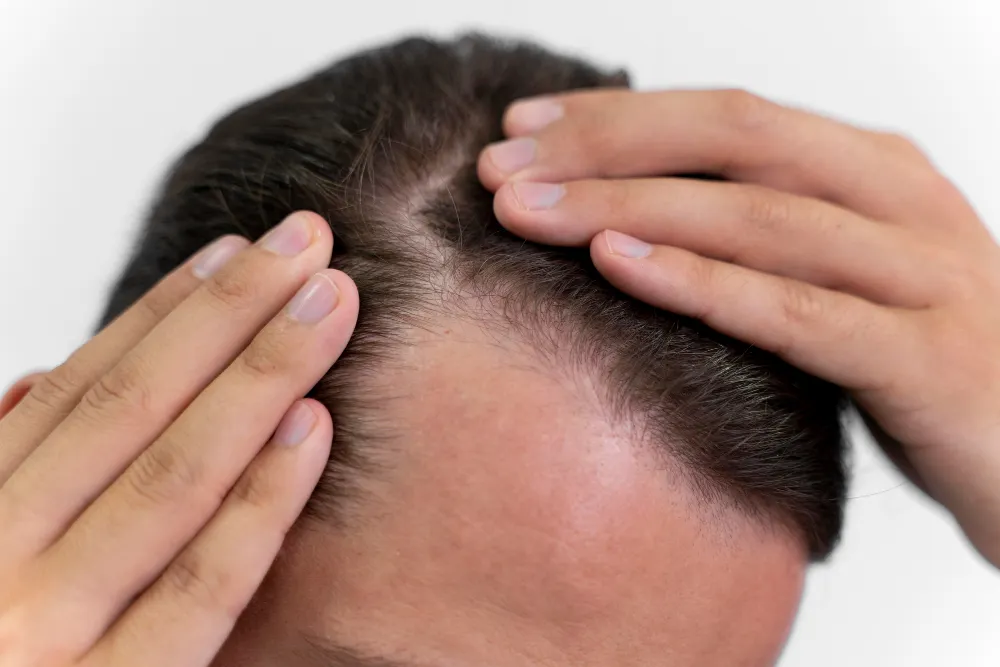
TL:DR; Hair loss can be caused by genetics, stress, poor nutrition, hormonal imbalances, or harsh hair practices but in many cases, it’s preventable. By adopting a daily routine that includes gentle hair care, a nutrient-rich diet, stress management, proper scalp maintenance, and early intervention when needed, you can significantly reduce the risk of hair thinning. Non-surgical treatments like PRP and topical solutions work best when started early, and hair transplants are an effective last resort for advanced cases. Estequality offers personalized hair loss prevention and treatment plans backed by medical expertise.
What Causes Hair Loss?
Hair loss is typically caused by genetics, hormonal changes, nutrient deficiencies, stress, or harsh hair care practices.
The most common triggers include:
- Genetic factors (like male/female pattern baldness)
- Hormonal imbalances (e.g. pregnancy, menopause, thyroid issues)
- Iron, zinc, biotin, or vitamin D deficiency
- High stress levels causing temporary shedding (telogen effluvium)
- Overuse of heat tools, dyes, or tight hairstyles
When Should You Be Concerned About Hair Loss?
You should be concerned when hair loss is sudden, patchy, excessive, or comes with other symptoms.
Signs that require professional evaluation:
- Losing more than 100 hairs per day consistently
- Widening part or thinning at the crown
- Bald patches or circular areas of hair loss
- Itchy, inflamed, or scaly scalp
- Hair loss after illness, major stress, or medication use
If you experience these, it’s best to consult a specialist early clinics like Estequality offer personalized assessments to determine the root cause.
How to Avoid Hair Loss
To avoid hair loss, treat your hair and scalp with care, nourish your body, and manage stress before problems start. Use gentle, sulfate-free shampoos, avoid brushing wet hair harshly, and don’t tie it too tightly. Minimize heat styling and chemical treatments that weaken the strands. Eat a balanced diet rich in biotin, iron, zinc, protein, and omega-3 fatty acids to strengthen hair from the inside. If needed, take supplements but only after checking your blood levels. Keep your stress low, sleep well, and stimulate your scalp regularly with massage or exfoliation. Spot early signs of thinning and act quickly clinics like Estequality offer early intervention and expert care to help preserve your natural hair.
1. Be Gentle When Washing and Brushing Your Hair
Hair is most vulnerable when wet. Use a mild, sulfate-free shampoo and wash with lukewarm water. After showering, gently pat your hair dry with a microfiber towel instead of rubbing. When brushing, always start from the ends and work your way up using a wide-tooth comb. Avoid brushing aggressively or pulling through tangles it only leads to breakage and stress on the follicles.
2. Avoid Tight Hairstyles That Pull at the Roots
Tight ponytails, braids, buns, or extensions can put continuous tension on the scalp, damaging hair follicles and causing a condition called traction alopecia. This type of hair loss is preventable simply alternate your hairstyle regularly, wear it loose, and avoid styles that require pulling your hair back firmly every day.
3. Reduce Heat and Chemical Exposure
Frequent use of flat irons, curling wands, hot blow dryers, and chemical treatments like bleach or straighteners weakens hair shafts and dries out the scalp. Try to limit heat styling to once or twice a week, and always apply a heat protectant spray. When coloring your hair, opt for ammonia-free products and give your hair time to recover between treatments.
4. Eat a Hair-Friendly, Nutrient-Rich Diet
Hair is made of protein and needs consistent nutrition to grow. Focus on foods rich in biotin (eggs, almonds), iron (spinach, lentils), zinc (seeds, chickpeas), vitamin D (fatty fish, fortified foods), and omega-3 fatty acids (salmon, walnuts). A deficiency in any of these can lead to brittle hair or increased shedding even with good external care.
5. Use Supplements Wisely, Not Randomly
Supplements like biotin, iron, vitamin D, zinc, and omega-3s can support hair health — but only if your body is lacking them. Over-supplementation can be ineffective or even harmful. Before starting anything, get your levels checked with a simple blood test and follow professional advice based on real data.
6. Manage Stress and Sleep to Protect Your Hair Cycle
Stress is a common but overlooked cause of hair loss. It can trigger hormonal imbalances and push follicles into a resting phase. Incorporate stress-reducing activities into your daily routine exercise, mindfulness, or journaling all help. Prioritize getting 7–8 hours of quality sleep each night, as this is when your body repairs and resets including your hair growth cycle.
7. Take Care of Your Scalp Like You Take Care of Your Skin
Your scalp is the base of your hair if it’s clogged, dry, or inflamed, healthy hair growth becomes impossible. Gently massage your scalp for a few minutes several times a week to boost blood flow. Use exfoliating scalp scrubs or serums once a week to remove dead skin cells and product buildup. Hydrate dry areas with lightweight oils like jojoba or argan.
What to Eat for Stronger Hair
Your hair needs fuel and that fuel comes from your plate. A healthy, protein-rich diet supports strong, resilient strands from the inside out. Prioritize foods high in:
- Biotin: Eggs, almonds, and sweet potatoes support keratin production.
- Iron: Found in red meat, spinach, and lentils essential for oxygen delivery to follicles.
- Zinc: Helps with tissue repair and hair follicle function (pumpkin seeds, chickpeas).
- Vitamin D: Crucial for healthy hair cycling, often low in people with shedding.
- Omega-3 fatty acids: Improve scalp health and reduce inflammation (salmon, walnuts).
Lack of these nutrients is one of the most common causes of diffuse thinning especially in women.
Can Supplements Help Prevent Hair Loss?
Yes, but only if they target a deficiency. Supplements can be powerful tools for hair support, but taking them blindly can backfire. Before starting biotin, iron, or any other vitamin, get a blood test to check your levels. Key supplements include:
- Biotin: Essential for keratin production, often low in brittle hair.
- Iron: Especially critical for women with heavy periods or vegetarians.
- Vitamin D and B12: Commonly deficient and closely tied to hair cycling.
- Zinc and selenium: Support scalp health and immune regulation.
- Omega-3s: Reduce scalp inflammation and dryness.
Always consult a professional before supplementing clinics like Estequality provide tailored assessments.
How Stress and Sleep Affect Hair Health
Chronic stress and poor sleep disrupt your body’s hormone balance and your hair feels the impact quickly. Stress pushes hair follicles into the resting (telogen) phase, causing sudden shedding known as telogen effluvium. Meanwhile, lack of sleep reduces cell repair and nutrient absorption, both essential for healthy growth. Signs your hair is affected by stress or sleep issues include:
- Sudden, diffuse hair thinning
- Increased hair fall after emotional events or burnout
- Slower regrowth or finer new hairs
To protect your hair, prioritize daily stress management: meditation, regular physical activity, deep breathing, and limiting caffeine or screen time before bed. Aim for 7–8 hours of restful sleep to support the natural hair cycle.
Why Scalp Health Matters for Hair Growth
A clean, balanced scalp is the foundation for strong, healthy hair. Just like plants need healthy soil, your follicles thrive in a scalp free of buildup, inflammation, or infection. Key scalp care practices include:
- Gentle cleansing: Avoid harsh shampoos that strip natural oils
- Scalp exfoliation: Weekly use of a scrub or brush helps remove dead skin cells and product residue
- Hydration: Use lightweight serums or oils (like argan or jojoba) to maintain moisture
- Stimulation: Regular scalp massages improve blood flow, delivering oxygen and nutrients to hair roots
Clinics like Estequality also offer advanced scalp therapies like microneedling or PRP to rejuvenate follicle activity in thinning areas.
Can You Reverse Hair Loss Without Surgery?
Yes, many cases of hair loss can be stopped or reversed with non-surgical treatments, especially if caught early. Surgery isn’t the first or only option. Today, there are medically backed, non-invasive methods that help stimulate regrowth and reduce shedding, including:
- Minoxidil (topical): Increases blood flow to follicles and extends the growth phase
- PRP Therapy: Uses your own platelet-rich plasma to stimulate hair follicles
- Low-Level Laser Therapy (LLLT): Promotes circulation and cell repair
- Nutritional and hormonal correction: Treats the root cause, not just symptoms
- Lifestyle optimization: Reducing stress and improving sleep support natural regrowth
Success depends on how early you start. The longer the follicle stays inactive, the harder it is to revive.
Hair Transplant: When Prevention Isn’t Enough
A hair transplant becomes a valid option when hair loss is advanced, stable, and not responding to non-surgical methods. It’s not for everyone, but when done right, it can restore density and confidence. Ideal candidates:
- Have visible thinning or bald areas
- Have stable hair loss (not actively shedding)
- Possess enough donor hair at the back or sides
- Have realistic expectations about results
Modern techniques like FUE (Follicular Unit Extraction) offer natural-looking outcomes with minimal scarring. Estequality provides advanced transplant planning and aftercare for long-term success.
How Estequality Helps You Prevent and Treat Hair Loss
Estequality Istanbul takes a medical, personalized approach to both preventing and treating hair loss before it becomes irreversible.
Our clinic offers:
- In-depth hair and scalp analysis using trichoscopy
- Nutritional and hormonal testing to identify hidden causes
- Non-surgical treatments like PRP, mesotherapy, and topical therapies
- Hair transplant solutions for suitable candidates using modern FUE techniques
- Ongoing support and aftercare to ensure long-term hair health
Whether you’re in the early stages of hair thinning or considering advanced restoration, Estequality provides trustworthy guidance and expert care tailored to your condition.
