
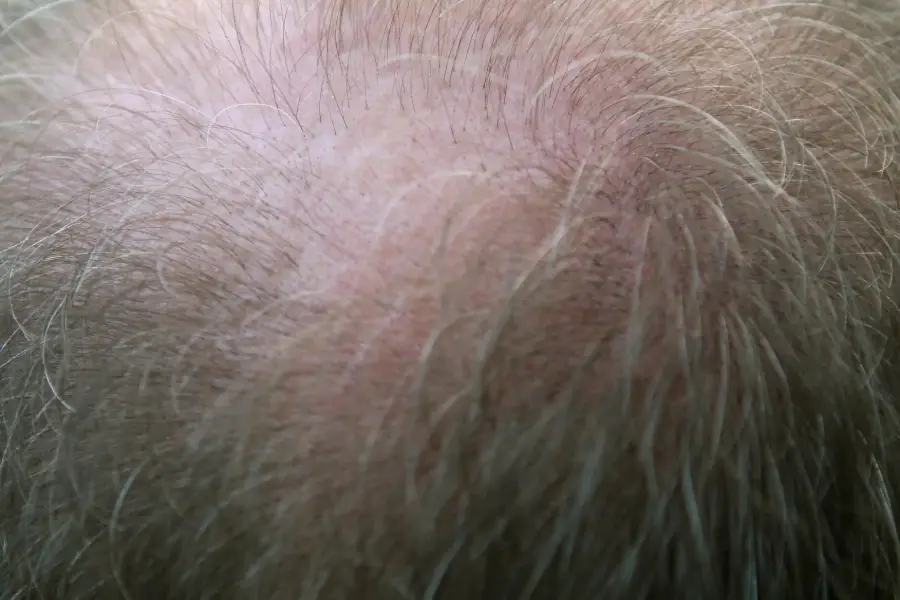
TL;DR: Vitamins can help with hair loss, but only when hair shedding is linked to a real deficiency or poor nutrition. The most important vitamins and nutrients for hair health include vitamin D, biotin, iron, zinc, vitamin B12, vitamin C, vitamin E, omega-3 fatty acids, and protein. However, vitamins alone usually cannot reverse genetic hair loss, advanced thinning, or long-term follicle miniaturization. The best approach is to identify the cause of hair loss, check for possible deficiencies, and use supplements only when they are actually needed.
Best Vitamins and Nutrients for Hair Loss
- Vitamin D
- Biotin
- Iron
- Ferritin
- Zinc
- Vitamin B12
- Vitamin C
- Vitamin E
- Omega-3 Fatty Acids
- Protein
- Amino Acids
- Folate
- Selenium
- Vitamin A
- Niacin
Can Vitamins Really Help with Hair Loss?
Yes, vitamins can help with hair loss, but mainly when the hair loss is linked to a nutritional deficiency. Hair follicles are active, fast-growing structures. To produce healthy hair, the body needs enough vitamins, minerals, protein, oxygen, and energy. When one or more of these nutrients are too low, the hair growth cycle may be disrupted. This can lead to increased shedding, thinner hair strands, slower growth, or weaker hair quality.
However, taking extra vitamins does not automatically mean faster or thicker hair. If your vitamin levels are already normal, adding more may not improve hair growth. In some cases, excessive supplementation may even create new problems.
Vitamins work best for hair loss when:
- You have a confirmed deficiency.
- Your diet is low in key nutrients.
- Hair shedding started after weight loss, illness, stress, restrictive dieting, or poor nutrition.
- Blood tests show low levels of iron, vitamin D, B12, zinc, or other important nutrients.
- Your hair loss is diffuse shedding rather than advanced genetic baldness.
Vitamins are less likely to work when:
- Hair loss is mainly genetic.
- There is visible male or female pattern hair loss.
- Hair follicles have already become miniaturized for a long time.
- There is scarring alopecia or untreated scalp inflammation.
- Supplements are taken without identifying the real cause.
The Link Between Vitamin Deficiency and Hair Loss
Vitamin and mineral deficiencies can affect the hair growth cycle. Hair normally grows in phases: the growth phase, transition phase, resting phase, and shedding phase. When the body lacks important nutrients, more hairs may enter the shedding phase earlier than normal. This type of shedding is often called telogen effluvium. It can happen after physical stress, illness, crash dieting, rapid weight loss, childbirth, surgery, emotional stress, or nutritional imbalance.
The good news is that deficiency-related hair shedding can often improve once the missing nutrient is corrected. The important point is to identify the deficiency first instead of randomly taking multiple supplements.
Best Vitamins and Nutrients for Hair Loss
The most important vitamins and nutrients for hair loss include vitamin D, biotin, iron, zinc, vitamin B12, vitamin C, vitamin E, omega-3 fatty acids, and protein. Each one plays a different role in hair health.
| Vitamin or Nutrient | How It Helps Hair | When It May Be Useful | Quick Answer |
| Vitamin D | Supports hair follicle function and immune balance | Low vitamin D levels, diffuse shedding, some alopecia cases | Useful if deficient |
| Biotin | Supports keratin structure and hair strength | True biotin deficiency, brittle hair or nails | Overrated unless deficient |
| Iron / Ferritin | Helps carry oxygen to hair follicles | Low ferritin, anemia, heavy periods, fatigue, shedding | Very important if low |
| Zinc | Supports cell growth, repair, and follicle function | Zinc deficiency, poor diet, immune-related shedding | Helpful if deficient |
| Vitamin B12 | Supports red blood cell production and oxygen delivery | Vegan diets, low B12, anemia symptoms | Useful if low |
| Vitamin C | Helps collagen production and iron absorption | Low fruit/vegetable intake, weak hair, low iron absorption | Supportive nutrient |
| Vitamin E | Antioxidant support for scalp and cells | Poor diet or oxidative stress | Do not overuse |
| Omega-3 | Supports scalp health and inflammation balance | Dry scalp, poor diet, inflammatory conditions | Supportive, not a cure |
| Protein | Provides amino acids for keratin production | Low-protein diet, crash dieting, weight loss | Essential for hair structure |
Which Vitamin Deficiencies Can Cause Hair Loss?
Several nutrient deficiencies may contribute to hair loss or excessive shedding. The most commonly discussed deficiencies include:
- Iron deficiency or low ferritin
- Vitamin D deficiency
- Zinc deficiency
- Biotin deficiency
- Vitamin B12 deficiency
- Protein deficiency
- Severe calorie restriction
- Poor overall nutrient intake
Among these, iron, vitamin D, zinc, and protein are especially important because they are closely connected to hair follicle activity, oxygen delivery, tissue repair, and the normal hair growth cycle.
Iron Deficiency and Hair Shedding
Iron is one of the most important nutrients to check when someone has unexplained hair shedding. Low iron or low ferritin can reduce oxygen delivery to the hair follicles and may contribute to diffuse hair loss. This is especially relevant for women with heavy menstrual bleeding, people on restrictive diets, vegetarians, vegans, and anyone with fatigue, pale skin, dizziness, or anemia symptoms.
The key point: iron should not be taken blindly. Too much iron can be harmful, so ferritin and iron levels should ideally be checked before supplementation.
Vitamin D Deficiency and Hair Loss
Vitamin D plays a role in immune function and hair follicle cycling. Low vitamin D levels are commonly seen in people with different types of hair loss, although vitamin D is not always the only cause. If blood tests show low vitamin D, correcting the deficiency may support healthier hair growth and overall health. But if vitamin D levels are already normal, taking high doses is unlikely to be a complete solution for hair loss.
Zinc Deficiency and Hair Health
Zinc is involved in cell growth, tissue repair, immune function, and normal follicle activity. Low zinc levels may contribute to hair shedding, poor hair quality, or slower recovery from scalp problems. However, zinc balance matters. Taking too much zinc for a long time may interfere with copper levels and create additional health issues. For this reason, zinc supplementation should be targeted rather than excessive.
Biotin Deficiency and Hair Loss
Biotin is one of the most popular hair supplements, but it is also one of the most misunderstood. Biotin deficiency can cause hair loss, brittle nails, and skin problems. In that situation, biotin supplementation may help. But true biotin deficiency is not very common in people with a balanced diet. For many people, biotin supplements may not dramatically change hair growth unless there is a real deficiency or a specific medical reason.
The key point: biotin can help some people, but it is not a magic hair growth pill.
How Do You Know If Your Hair Loss Is Caused by a Deficiency?
You cannot know for sure just by looking at your hair. Deficiency-related hair loss often causes diffuse shedding, meaning hair falls from all over the scalp rather than only from the hairline or crown.
Possible signs of deficiency-related hair loss include:
- Sudden increase in daily hair shedding
- Hair falling from the entire scalp
- Thinner ponytail or reduced hair volume
- Fatigue or low energy
- Brittle nails
- Pale skin
- Dizziness
- Recent crash diet or rapid weight loss
- Vegan or very restrictive diet
- Heavy menstrual periods
- Recent illness, surgery, or high stress
The best way to understand the cause is to combine medical history, scalp examination, and blood tests.
Useful Blood Tests to Discuss with a Doctor
A doctor or dermatologist may recommend checking:
- Complete blood count
- Ferritin and iron levels
- Vitamin D
- Vitamin B12
- Zinc
- Thyroid function
- Folate
- Inflammatory markers if needed
These tests can help separate nutritional hair shedding from genetic hair loss, thyroid-related shedding, autoimmune hair loss, or scalp disease.
Do Hair Growth Supplements Really Work?
Hair growth supplements can work if they correct a real deficiency or support a poor diet. But they are often less effective when hair loss is caused by genetics, hormones, or long-term follicle miniaturization.
A good supplement strategy should be based on need, not marketing.
Best Approach
- Identify the type of hair loss.
- Check for common deficiencies.
- Correct only what is low or insufficient.
- Improve protein and overall diet.
- Avoid excessive doses.
- Combine vitamins with medical treatment if hair loss is genetic.
What Most People Get Wrong
Many people start taking biotin, collagen, multivitamins, or “hair gummies” without knowing why their hair is falling out. This can waste time and delay proper treatment. If the real cause is androgenetic alopecia, vitamins may improve hair quality but will not fully stop progressive hair thinning. In that case, medical treatments or hair restoration options may be needed.
Vitamin D for Hair Loss
Vitamin D is one of the most commonly discussed nutrients in hair loss. It plays a role in immune function, skin health, and the normal activity of hair follicles.
Vitamin D may help hair loss if your vitamin D level is low. It is not a guaranteed cure for every type of hair loss. Low vitamin D levels are often seen in people with diffuse shedding, alopecia areata, and other hair loss concerns. However, vitamin D deficiency is usually one part of the picture, not the only cause.
When Vitamin D May Help
Vitamin D supplementation may be useful if:
- Your blood test shows low vitamin D.
- You have limited sun exposure.
- You spend most of your time indoors.
- You have diffuse hair shedding.
- You also have fatigue, muscle weakness, or low mood.
- Your dermatologist recommends correcting the deficiency.
Food Sources of Vitamin D
Good dietary sources include:
- Fatty fish
- Egg yolks
- Fortified dairy products
- Fortified plant-based milk
- Mushrooms exposed to UV light
However, diet alone may not always be enough to correct low vitamin D. In many cases, supplementation may be needed under medical guidance.
Biotin for Hair Growth and Hair Strength
Biotin is one of the most popular hair vitamins, but it is also one of the most overrated. Biotin can help if you have a biotin deficiency, but it usually does not create dramatic hair growth in people with normal biotin levels. Biotin supports keratin production, which is important for hair, skin, and nails. A true biotin deficiency can cause hair thinning, brittle nails, and skin symptoms. But true deficiency is uncommon in people who eat a balanced diet.
When Biotin May Help
Biotin may be useful if:
- You have confirmed biotin deficiency.
- You have brittle nails together with hair thinning.
- You have a restrictive diet.
- You have certain medical conditions that affect nutrient absorption.
- Your doctor recommends it after evaluation.
When Biotin May Not Help
Biotin is less likely to help if:
- Your biotin levels are normal.
- Your hair loss is genetic.
- You have male pattern baldness.
- You have female pattern hair loss.
- You are taking it only because it is marketed as a “hair growth vitamin.”
Important Note About Biotin
High-dose biotin can interfere with some blood test results. If you are taking biotin and planning to have blood tests, you should tell your doctor.
Iron and Ferritin for Hair Shedding
Iron is one of the most important nutrients for people with hair shedding. Ferritin is the stored form of iron, and low ferritin is often discussed in relation to diffuse hair loss. Iron may help hair loss if iron or ferritin levels are low. It should not be taken blindly.
Iron helps red blood cells carry oxygen. Hair follicles need oxygen and nutrients to maintain healthy growth. When iron stores are low, the body may prioritize essential organs over hair growth, which can contribute to shedding.
Who Is More Likely to Have Low Iron?
Low iron or low ferritin is more common in:
- Women with heavy menstrual bleeding
- Vegetarians and vegans
- People with low red meat intake
- People after rapid weight loss
- People with digestive absorption problems
- People with chronic fatigue or anemia symptoms
- People after surgery or significant blood loss
Signs That Iron May Be Related to Hair Loss
Possible signs include:
- Increased shedding
- Fatigue
- Dizziness
- Pale skin
- Shortness of breath
- Cold hands and feet
- Weak nails
- Reduced exercise tolerance
Food Sources of Iron
| Iron Source | Type | Notes |
| Red meat | Heme iron | More easily absorbed |
| Chicken and turkey | Heme iron | Moderate source |
| Fish | Heme iron | Also provides omega-3 in fatty fish |
| Lentils | Non-heme iron | Absorption improves with vitamin C |
| Beans | Non-heme iron | Good plant-based option |
| Spinach | Non-heme iron | Best combined with vitamin C |
| Pumpkin seeds | Non-heme iron | Also contains zinc |
Iron supplementation should be based on blood tests because too much iron can be harmful.
Zinc for Hair Health
Zinc is important for cell growth, tissue repair, immune function, and normal hair follicle activity. Zinc may help if you are zinc deficient. Too much zinc can create mineral imbalance. Zinc deficiency can contribute to shedding, poor hair quality, weak immunity, and slower healing. But zinc should not be overused. Long-term high-dose zinc can interfere with copper levels and may create new problems.
When Zinc May Help
Zinc may be useful if:
- Blood tests suggest zinc deficiency.
- Your diet is low in animal protein.
- You have poor wound healing.
- You have a restrictive diet.
- You have hair shedding with other deficiency signs.
- Your doctor recommends supplementation.
Food Sources of Zinc
Good zinc sources include:
- Oysters
- Beef
- Turkey
- Eggs
- Pumpkin seeds
- Lentils
- Chickpeas
- Nuts
Vitamin B12 and Hair Loss
Vitamin B12 supports red blood cell production, nerve function, and oxygen delivery. Low B12 may contribute to fatigue, anemia, and sometimes hair shedding. Vitamin B12 may help hair loss if your B12 level is low, especially if you follow a vegan or vegetarian diet. B12 deficiency is more common in people who avoid animal foods, have digestive absorption problems, or use certain medications long term.
Who Should Check B12?
B12 testing may be useful for:
- Vegans
- Vegetarians
- People with fatigue
- People with numbness or tingling
- People with anemia
- People with digestive disorders
- People using long-term acid-reducing medication
Food Sources of Vitamin B12
Vitamin B12 is mostly found in animal-based foods:
- Meat
- Fish
- Eggs
- Milk
- Yogurt
- Cheese
- Fortified foods
For strict vegans, fortified foods or supplements may be necessary.
Vitamin C for Collagen Production and Iron Absorption
Vitamin C is not usually the main “hair loss vitamin,” but it supports hair health in two important ways: collagen production and iron absorption. Vitamin C helps support stronger hair and better iron absorption, but it is not usually a standalone treatment for hair loss.
Collagen is part of the structure around hair follicles, and vitamin C helps the body produce collagen. Vitamin C also improves the absorption of non-heme iron from plant-based foods.
When Vitamin C May Help
Vitamin C may be useful if:
- Your diet is low in fruits and vegetables.
- You have low iron or low ferritin.
- You rely mostly on plant-based iron sources.
- Your hair feels weak or brittle.
- You want to support overall scalp and skin health.
Food Sources of Vitamin C
Good sources include:
- Oranges
- Kiwi
- Strawberries
- Bell peppers
- Broccoli
- Lemon
- Grapefruit
- Parsley
A simple strategy is to combine plant-based iron foods with vitamin C. For example, lentils with lemon or spinach with citrus can improve iron absorption.
Vitamin E for Scalp and Hair Health
Vitamin E is an antioxidant that helps protect cells from oxidative stress. It may support scalp and skin health, but it should not be overused. Vitamin E may support scalp health, but high-dose vitamin E is not recommended for hair loss unless medically advised.
More vitamin E does not automatically mean better hair. In fact, excessive supplementation of some nutrients, including vitamin E, has been associated with hair loss risk.
Food Sources of Vitamin E
Good sources include:
- Almonds
- Sunflower seeds
- Hazelnuts
- Avocado
- Olive oil
- Spinach
Getting vitamin E from food is generally a better approach than taking high-dose supplements without a clear need.
Omega-3 Fatty Acids for Hair Quality
Omega-3 fatty acids are healthy fats that support inflammation balance, skin barrier function, and scalp health. Omega-3 may improve hair and scalp quality, but it is not a direct cure for genetic hair loss. Omega-3 can be useful as part of a balanced diet, especially for people with dry scalp, poor diet quality, or low intake of fatty fish.
Food Sources of Omega-3
Good sources include:
- Salmon
- Sardines
- Mackerel
- Anchovies
- Walnuts
- Chia seeds
- Flaxseeds
Omega-3 works best as part of a complete nutrition plan, not as a single solution for hair loss.
Protein and Amino Acids for Stronger Hair
Hair is mainly made of keratin, a protein. If your protein intake is too low, hair growth can suffer. Protein is essential for healthy hair. Low protein intake can contribute to shedding and weak hair. This is especially important after crash diets, weight loss programs, appetite loss, illness, or restrictive eating.
Signs You May Not Be Getting Enough Protein
Possible signs include:
- Increased hair shedding
- Weak or brittle hair
- Slow recovery after exercise
- Frequent hunger
- Muscle loss
- Weak nails
- Low energy
Good Protein Sources for Hair Health
| Protein Source | Best For |
| Eggs | Complete protein and biotin |
| Chicken | Lean protein |
| Fish | Protein plus omega-3 |
| Greek yogurt | Protein plus B vitamins |
| Lentils | Plant-based protein and iron |
| Beans | Plant-based protein |
| Tofu | Vegan protein |
| Lean beef | Protein, iron, zinc, B12 |
How Long Does It Take for Hair Vitamins to Work?
Hair vitamins usually take time to show results. Hair growth is slow, and the hair cycle does not change overnight. If a deficiency is corrected, visible improvement may take 3 to 6 months.
Some people may notice reduced shedding earlier, often within 8 to 12 weeks. But thicker-looking hair usually takes longer because new hair needs time to grow.
Typical Timeline
| Timeline | What May Happen |
| 0–4 weeks | No major visible change |
| 8–12 weeks | Shedding may start to reduce if deficiency is corrected |
| 3–6 months | Hair quality and density may begin to improve |
| 6–12 months | More noticeable improvement if follicles are still active |
If there is no improvement after several months, the hair loss may not be mainly caused by a deficiency.
When Vitamins Are Not Enough for Hair Loss
Vitamins are not enough when the main cause of hair loss is genetic, hormonal, autoimmune, scarring, or advanced follicle miniaturization. Vitamins can support hair health, but they cannot fully reverse advanced genetic hair loss.
In male pattern baldness and female pattern hair loss, hair follicles gradually shrink due to genetic and hormonal sensitivity. This process is called miniaturization. Vitamins may improve the quality of existing hair, but they usually cannot stop the underlying pattern by themselves.
Vitamins Are Usually Not Enough If You Have:
- Receding hairline
- Thinning crown
- Widening middle part
- Family history of baldness
- Progressive thinning over years
- Miniaturized, very thin hair strands
- Bald areas where hair has not grown for a long time
In these cases, medical hair loss treatments or hair restoration options may be more appropriate.
Vitamins vs Medical Hair Loss Treatments
Vitamins and medical hair loss treatments work differently.
Vitamins correct nutritional problems. Medical treatments target the biological process behind hair loss.
| Option | Main Purpose | Best For |
| Vitamins | Correct deficiencies and support hair health | Deficiency-related shedding |
| Minoxidil | Supports hair growth cycle | Male and female pattern hair loss |
| Finasteride | Reduces DHT effect | Male pattern hair loss |
| PRP | Supports follicle environment | Early thinning and weak hair |
| Hair transplant | Restores hair in thinning or bald areas | Permanent hair loss with stable donor area |
For many people, the best approach is not vitamins or treatment alone. It is a combined plan based on the real cause of hair loss.
Can Vitamins Help After a Hair Transplant?
Yes, vitamins can support recovery after a hair transplant if the patient has deficiencies or poor nutrition. Vitamins can support healing and hair quality after a hair transplant, but they do not replace proper surgical planning, aftercare, or medical follow-up.
After a hair transplant, the body needs enough protein, iron, zinc, vitamin C, vitamin D, and overall calories to support tissue repair and healthy hair growth. However, taking high-dose supplements without medical advice is not necessary for every patient.
Nutrients That May Support Hair Transplant Recovery
- Protein for tissue repair and keratin production
- Vitamin C for collagen formation
- Zinc for wound healing
- Iron for oxygen delivery
- Vitamin D for immune and follicle support
- Omega-3 for general scalp and skin health
A balanced diet before and after the procedure can help create a better environment for recovery.
When Should You See a Hair Loss Specialist?
You should see a hair loss specialist if shedding continues, hair thinning is progressive, or you are unsure about the cause. If hair loss lasts more than 3 months, gets worse, or creates visible thinning, professional evaluation is recommended.
See a Specialist If:
- Hair loss continues for more than 3 months.
- You notice bald patches.
- Your hairline is receding.
- Your crown is thinning.
- Your scalp is itchy, painful, red, or flaky.
- You have sudden heavy shedding.
- You have a family history of hair loss.
- You are considering supplements but have not had blood tests.
- You are considering a hair transplant.
- You are already using supplements but see no improvement.
A proper diagnosis helps avoid wasting time on the wrong solution.
Frequently Asked Questions About Vitamins for Hair Loss
What is the best vitamin for hair loss?
There is no single best vitamin for every type of hair loss. The best vitamin is the one your body is lacking. Vitamin D, iron, zinc, biotin, and B12 are commonly checked in people with hair shedding.
Can vitamin D deficiency cause hair loss?
Yes, low vitamin D may contribute to hair loss or shedding in some people. Correcting vitamin D deficiency may help support healthier hair growth, but it is not a guaranteed cure for every case.
Does biotin stop hair loss?
Biotin may help if you have a true biotin deficiency. However, if your biotin levels are normal, taking extra biotin may not significantly improve hair growth.
What vitamin deficiency causes hair thinning?
Hair thinning may be associated with deficiencies in iron, vitamin D, zinc, biotin, vitamin B12, protein, or overall calorie intake. The exact cause should be checked with blood tests and a medical evaluation.
Can iron deficiency cause hair shedding?
Yes, low iron or low ferritin can contribute to diffuse hair shedding. Iron supplements should only be taken when deficiency is confirmed, because too much iron can be harmful.
Are hair vitamins safe to take every day?
Some hair vitamins are safe when taken at appropriate doses, but not all supplements are risk-free. High doses of certain nutrients may cause side effects or interfere with other minerals and blood tests.
How long should I take vitamins for hair loss?
If a deficiency is found, supplementation is often continued for several months, depending on the nutrient and the doctor’s recommendation. Hair improvement usually takes 3 to 6 months.
Can vitamins reverse genetic hair loss?
No, vitamins usually cannot reverse genetic hair loss by themselves. They may improve overall hair quality if there is a deficiency, but genetic hair loss often requires medical treatment or hair restoration options.
Conclusion
Vitamins can be helpful for hair loss, but only when used correctly. The most important nutrients for hair health include vitamin D, biotin, iron, zinc, vitamin B12, vitamin C, vitamin E, omega-3 fatty acids, and protein.
The key is to find the real cause of hair loss. If the problem is a deficiency, correcting it may reduce shedding and support healthier growth. If the problem is genetic or hormonal, vitamins may support the hair but will not be enough as the main treatment.
For the best results, hair loss should be evaluated with a proper diagnosis, blood tests when needed, and a personalized treatment plan.
