
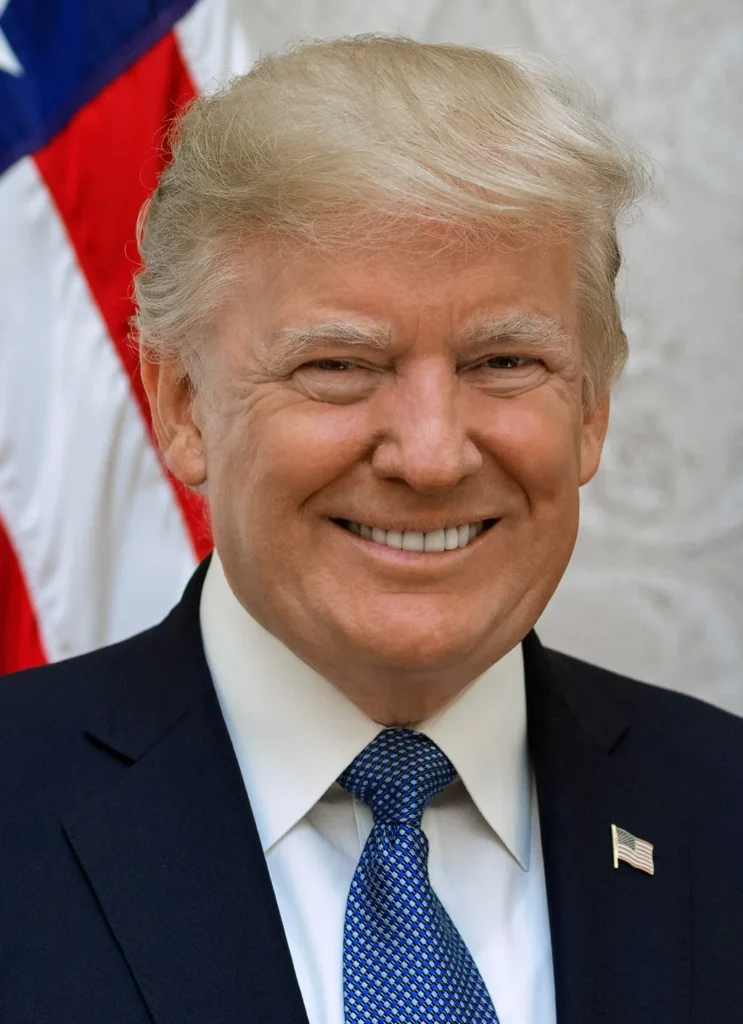
Donald Trump has never publicly confirmed having a modern hair transplant. However, his hair has been discussed for decades because of its unusual shape, controlled volume, distinctive comb-over style, and long-standing rumors about older hair restoration procedures such as scalp reduction surgery.
Donald Trump has not confirmed a modern FUE or DHI hair transplant, but reports and expert commentary have often linked his hair to older hair restoration techniques, heavy styling, and the reported use of Propecia for male pattern hair loss.
Unlike many celebrity hair transplant cases, Donald Trump’s hair is not usually discussed as a simple before-and-after FUE transformation. His case is more complex. It may involve a combination of natural hair loss, old surgical rumors, medication, coloring, blow-drying, hair spray, and a highly controlled hairstyle.
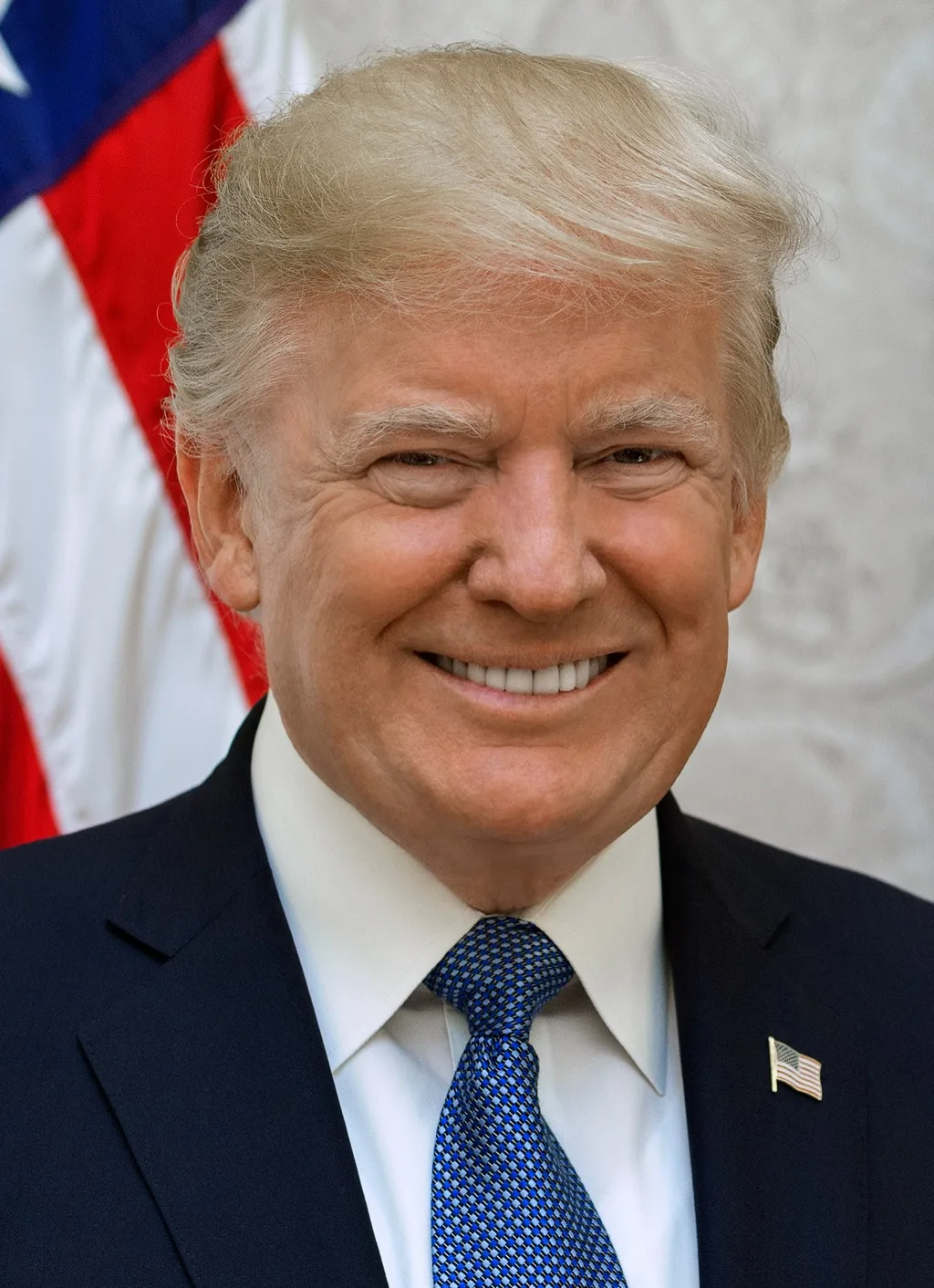
Did Donald Trump Get a Hair Transplant?
Donald Trump has not publicly confirmed having a modern hair transplant. There is no official statement from Trump confirming that he had FUE, DHI, or FUT hair transplant surgery.
However, his hair has been the subject of public discussion for many years. Some reports and hair restoration commentators have suggested that Trump may have undergone older hair restoration procedures, especially scalp reduction surgery, rather than a typical modern hair transplant.
The most accurate answer is: Donald Trump has not confirmed a modern hair transplant, but his hair has long been associated with rumors of older hair restoration surgery and extensive styling.
This distinction matters. A modern hair transplant usually means that individual hair follicles are taken from the donor area and implanted into thinning or bald areas. Scalp reduction, on the other hand, is an older surgical technique that removes bald scalp and stretches hair-bearing scalp to reduce the bald area.
So, when people ask whether Donald Trump had a hair transplant, the better question may be:
Did Donald Trump have older hair restoration surgery rather than a modern FUE transplant?
Donald Trump Hair Transplant: Confirmed Facts vs Rumors
Donald Trump’s hair restoration history is based on a mixture of public reporting, expert opinion, visual analysis, and speculation. That is why it is important to separate confirmed information from rumors.
| Claim | Status |
| Donald Trump confirmed a modern FUE hair transplant | Not confirmed |
| Donald Trump confirmed DHI hair transplant | Not confirmed |
| Donald Trump has been linked to scalp reduction surgery | Widely alleged, but not confirmed by Trump |
| Donald Trump used Propecia for male pattern hair loss | Publicly reported |
| Donald Trump’s exact procedure details are known | Not confirmed |
| Donald Trump’s exact graft number is known | Not known |
| Donald Trump wears a wig | Not proven |
| Donald Trump uses a highly controlled hairstyle | Widely visible |
The safest conclusion is that Donald Trump’s hair cannot be explained by one factor alone. His appearance may be the result of natural hair loss management, possible older hair restoration procedures, medication, styling, coloring, and careful grooming.
What Is Scalp Reduction Surgery?
Scalp reduction surgery is an older hair loss procedure in which a bald area of the scalp is surgically removed. The surrounding hair-bearing scalp is then stretched and stitched together to reduce the visible bald area.
This method was more commonly discussed before modern FUE and DHI techniques became popular. Today, scalp reduction is rarely the first choice for male pattern baldness because it can create visible scarring, unnatural hair direction, scalp tightness, and limited flexibility for future hair restoration.
Scalp reduction does not add new hair follicles. It only reduces the size of the bald area by moving existing hair-bearing scalp closer together.
This is very different from modern hair transplantation.
| Procedure | Main Purpose | Does It Add New Hair Follicles? | Common Today? |
| Scalp Reduction | Removes bald scalp and stretches surrounding hair-bearing skin | No | Rare |
| FUE Hair Transplant | Moves individual grafts from donor area to thinning areas | Yes | Very common |
| DHI Hair Transplant | Implants grafts directly with an implanter pen | Yes | Common in selected cases |
| FUT Hair Transplant | Removes a strip of scalp to harvest grafts | Yes | Less common than FUE but still used |
| Rotational Flap Surgery | Moves a hair-bearing flap of scalp to cover bald areas | Not in the same way as grafting | Rare and older technique |
Scalp reduction can sometimes explain unusual hair direction or tight-looking scalp patterns. This is one reason why Donald Trump’s hair is often discussed differently from celebrities who are rumored to have had modern FUE hair transplants.
Donald Trump’s Hairline Over the Years
Donald Trump’s hair has changed over the decades, but it has also kept a very recognizable shape. His hairstyle is one of the most distinctive features of his public image.
Since Trump has not confirmed a modern hair transplant, this timeline should be understood as a visual and historical analysis, not medical proof.
| Period | Hair Appearance | Possible Explanation |
| 1970s–1980s | Fuller hair with a controlled side-swept style | Natural density, early styling habits |
| Late 1980s–1990s | More unusual direction, volume, and structure | Rumored older hair restoration surgery, styling, hair spray |
| 2000s, The Apprentice era | Highly controlled comb-over with strong color and volume | Styling, coloring, blow-drying, possible surgical history |
| Presidency years | Stable iconic hairstyle with consistent shape | Medication, styling routine, color maintenance |
| Recent years | Similar shape with lighter color and aging-related changes | Continued styling, aging, and possible hair loss management |
Donald Trump’s case is not a simple “bald before, full hair after” transformation. Instead, his hair appears to have been managed over a long period through a combination of styling and possible medical or surgical interventions.
Did Donald Trump Have Scalp Reduction Surgery?
Donald Trump has not publicly confirmed having scalp reduction surgery. However, scalp reduction remains one of the most widely discussed theories about his hair.
Donald Trump has not confirmed scalp reduction surgery, but this theory is often mentioned because it may explain the unusual structure, direction, and controlled appearance of his hairstyle.
Scalp reduction surgery was used more often in previous decades, especially before modern FUE and DHI methods became the standard for natural-looking hair restoration. If someone had this type of procedure, the result could look very different from a modern hair transplant.
Possible signs people associate with older hair restoration procedures include:
- Unusual hair direction
- Tight-looking scalp areas
- Hair that appears to move in a fixed pattern
- Strong dependence on styling
- Difficulty creating a natural hairline with short hairstyles
- Visible or hidden scarring in some cases
However, these signs are not proof. Hair direction, blow-drying, coloring, and heavy hair spray can also create an unusual appearance. This is why Donald Trump’s hair should be discussed as a combination of possibilities rather than a confirmed surgical case.
FUE, FUT or Scalp Reduction: Which Method Is Most Likely?
If Donald Trump had any type of hair restoration procedure, the most discussed theory is not modern FUE or DHI. It is older hair restoration surgery, especially scalp reduction or flap-based techniques.
Modern FUE is not the main theory in Donald Trump’s case. Scalp reduction or older surgical techniques are more commonly discussed because of the timeline and the unusual structure of his hairstyle.
| Method | Likelihood in Trump’s Case | Why |
| Modern FUE | Possible but not the main theory | No confirmation, and the timeline points to older procedures |
| DHI | Less likely historically | DHI is a more modern technique and does not match older rumors |
| FUT | Possible in older hair restoration history | Strip methods existed, but there is no confirmed evidence |
| Scalp Reduction | Most discussed theory | Fits older-era hair restoration rumors and unusual hair pattern claims |
| Rotational Flap | Possible theory | Sometimes discussed in relation to older hair restoration surgery |
| Wig or Hairpiece | Not proven | His hair often appears to behave like real, heavily styled hair |
| Medication | Reported | Propecia use has been publicly reported |
Modern FUE Hair Transplant
FUE, or Follicular Unit Extraction, is one of today’s most popular hair transplant techniques. It involves removing individual grafts from the donor area and implanting them into thinning or bald areas.
If Donald Trump were undergoing hair restoration today, FUE could be considered. However, his hair rumors go back many decades, before modern FUE became the dominant method. That is why FUE is not the strongest theory in his case.
FUT Hair Transplant
FUT, or Follicular Unit Transplantation, involves removing a strip of scalp from the donor area and dividing it into grafts. It can provide a high number of grafts, but it may leave a linear scar.
FUT could be possible in older hair restoration history, but there is no confirmed evidence that Trump had this specific method.
Scalp Reduction
Scalp reduction is the most commonly discussed older procedure in Donald Trump’s hair story. It does not work like a modern hair transplant. Instead of adding new grafts, it removes bald scalp and pulls hair-bearing skin closer together.
This could theoretically create a different hair direction or a less natural-looking pattern compared with modern FUE or DHI.
Rotational Flap Surgery
Rotational flap surgery is another older technique where a section of hair-bearing scalp is moved to cover a bald area. It can create density, but it may also create unnatural hair direction if not planned carefully.
This method is rarely used today for typical male pattern hair loss because modern graft-based techniques can usually create more natural results with better control.
Does Donald Trump Wear a Wig?
There is no confirmed evidence that Donald Trump wears a wig. His hair has been questioned for many years because of its unusual shape, color, volume, and combed-over direction, but a wig has never been proven.
Donald Trump’s hair appears to be real hair that is heavily styled, colored, sprayed, and arranged in a very controlled way.
A wig or hairpiece usually has certain visible signs, such as a fixed front edge, unnatural density, limited movement, or a clear separation from the scalp. Trump’s hair often moves in wind and close-up videos, which suggests that it is more likely natural hair combined with styling rather than a full wig.
However, this does not mean his hair is completely natural without any intervention. His appearance may still involve medication, coloring, styling products, and possible older hair restoration procedures.
Why Does Donald Trump’s Hair Look Like That?
Donald Trump’s hair looks unusual because it seems to combine several factors: long hair length, comb-over styling, volume control, hair spray, color treatment, possible hair loss management, and long-standing rumors of older hair restoration surgery.
Donald Trump’s hairstyle is likely the result of a highly controlled grooming routine rather than one simple factor.
The Comb-Over Technique
Trump’s hairstyle is often described as a comb-over. A comb-over is a styling method where longer hair is brushed across thinner areas to create the appearance of coverage.
In Trump’s case, the hair appears to be styled from multiple directions and arranged to maintain volume at the front and top of the scalp. This type of style requires enough remaining hair length, strong product hold, and careful shaping.
A comb-over can make thinning areas less visible, but it can also look unusual if the hair direction does not match the natural growth pattern.
Hair Color and Light Reflection
Donald Trump’s hair color has changed over time, often appearing blond, golden, pale yellow, or light gray depending on the period and lighting.
Hair color can strongly affect the appearance of density. Lighter hair creates less contrast with the scalp, which can make thinning less obvious. This is one reason why men with hair loss sometimes prefer lighter shades instead of dark colors.
In Trump’s case, the light color may help reduce contrast between the hair and scalp, making the hair appear fuller from a distance.
Hair Spray and Volume Control
Trump’s hair usually appears fixed in a controlled shape. This suggests the use of strong styling products such as hair spray, mousse, or volumizing products.
Hair spray can hold long hair in place and maintain a consistent shape throughout the day. It can also help create height and volume, especially at the front.
However, heavy styling can also make the hair look stiff or unnatural, especially under bright lighting or strong wind.
Possible Surgical History
Long-standing rumors about Donald Trump’s hair often mention older hair restoration procedures such as scalp reduction or flap surgery. These techniques are different from modern FUE or DHI hair transplants.
If someone had older hair restoration surgery, the hair may grow or sit in a less natural direction compared with modern graft placement. This could make styling more important and may help explain why the hair needs to be arranged in a very specific way.
However, Trump has not confirmed any such procedure.
Propecia / Finasteride Use
Donald Trump has reportedly used Propecia, a brand name for finasteride, for male pattern hair loss. Finasteride is a medication that can help slow down hair loss by reducing the effect of DHT, the hormone strongly linked to male pattern baldness.
The important point is this: finasteride can help maintain existing hair, but it does not create a new hairline like a hair transplant.
This means medication may help explain long-term hair maintenance, but it does not fully explain the unusual shape or styling pattern of Trump’s hair.
Did Donald Trump Use Propecia for Hair Loss?
Yes, Donald Trump has been publicly reported to use Propecia for male pattern hair loss.
Donald Trump’s reported Propecia use is one of the strongest public signs that he has taken medical steps to manage hair loss.
Propecia contains finasteride, which is commonly prescribed for male pattern baldness. It works by lowering DHT activity. DHT is the hormone that causes genetically sensitive hair follicles to miniaturize over time.
Finasteride may help:
- Slow down ongoing hair loss
- Maintain existing hair
- Improve hair thickness in some patients
- Support long-term results after a hair transplant
However, finasteride does not work like a hair transplant. It does not move new follicles into bald areas. It mainly helps protect existing hair from further miniaturization.
For this reason, Propecia could be part of Trump’s hair maintenance routine, but it does not prove that he had or did not have hair surgery.
How Many Grafts Would Donald Trump Need Today?
Donald Trump’s exact graft number is unknown because he has not confirmed having a modern hair transplant. Also, if older procedures such as scalp reduction were involved, they would not be measured in grafts the same way modern FUE or DHI procedures are.
Trump’s real graft number is not known. If a modern patient with a similar advanced hair loss pattern wanted restoration today, the case might require around 4,000 to 7,000 grafts depending on the treatment plan.
This is not an estimate of what Donald Trump actually had. It is only an educational estimate for a similar modern hair restoration case.
| Area | Estimated Grafts for a Similar Modern Case |
| Frontal hairline | 1,500–2,500 grafts |
| Mid-scalp | 1,000–2,000 grafts |
| Crown area | 1,500–2,500 grafts |
| Total possible range | 4,000–7,000 grafts |
In advanced hair loss cases, a surgeon must decide whether to focus on the frontal hairline, mid-scalp, crown, or overall coverage. Trying to cover every area with high density may not be possible if the donor area is limited.
This is why mature hairline design and donor area management are critical. A natural result depends not only on the number of grafts but also on the distribution, angle, density, and long-term planning.
Donald Trump Hair Transplant Cost: US, UK and Turkey
Donald Trump has not revealed any hair transplant cost because he has not confirmed having a modern transplant. However, if a similar advanced hair restoration case were treated today, the cost would depend on graft number, technique, surgeon experience, clinic location, donor area condition, and whether repair work is needed.
| Country | Estimated Cost for Similar Modern Case |
| United States | $15,000–$35,000+ |
| United Kingdom | $10,000–$25,000 |
| Turkey | $2,500–$6,000 |
A case similar to Donald Trump’s rumored hair history could be more complex than a simple frontal hairline transplant. If a patient has previous surgery, scarring, poor donor management, or unnatural hair direction, the case may require repair planning rather than a standard hair transplant.
Turkey is a popular destination for hair transplantation because many clinics offer advanced FUE and DHI techniques at more accessible prices. However, complex cases should always be evaluated carefully before treatment.
Can Modern Hair Transplant Techniques Create a More Natural Result?
Yes. Modern hair transplant techniques can usually create more natural-looking results than older procedures such as scalp reduction or flap surgery.
Modern FUE and DHI techniques allow better control over hairline design, graft angle, density, and natural direction compared with many older hair restoration methods.
A natural-looking hair transplant depends on several factors:
- Age-appropriate hairline designThe hairline should match the patient’s age, face shape, and future hair loss risk.
- Correct graft angle and directionHair must be implanted in the natural direction of growth. Poor angle control can make the result look artificial.
- Donor area managementThe donor area is limited. Overharvesting can damage the back of the scalp and reduce future options.
- Density planningNot every area can always be restored with maximum density. The surgeon must prioritize the most visible zones.
- Long-term hair loss planningMale pattern baldness can continue after a transplant. A good plan considers future recession and crown thinning.
Compared with older techniques, modern FUE and DHI can provide a softer, more natural hairline with less visible scarring and better aesthetic control.
Can You Get a Similar Hair Restoration in Turkey?
Yes, patients with advanced hair loss or unusual hairline patterns may be able to improve their appearance with modern hair transplant techniques in Turkey. However, no clinic can guarantee the same result as another person.
A patient with a complex hair loss pattern needs a detailed donor area analysis, realistic planning, and a personalized technique choice before undergoing hair transplantation.
At Estequality, hair transplant planning focuses on natural results, safe donor management, and a hairline design that fits the patient’s facial structure and long-term hair loss risk.
Patients may benefit from:
- Personalized hairline design
- Donor area analysis
- Micro Sapphire FUE technique
- DHI hair transplant technique
- Repair case planning when needed
- International patient support
- Post-operative aftercare guidance
Donald Trump’s case is useful for understanding how older hair restoration methods and heavy styling can create an unnatural look. Today, the goal of a good hair transplant is different: the result should look natural, age-appropriate, and easy to maintain.
Frequently Asked Questions
Did Donald Trump confirm having a hair transplant?
No. Donald Trump has not publicly confirmed having a modern hair transplant such as FUE, DHI, or FUT.
Did Donald Trump have scalp reduction surgery?
Donald Trump has not confirmed scalp reduction surgery. However, this has been one of the most widely discussed theories about his hair for many years.
What is scalp reduction surgery?
Scalp reduction is an older hair loss surgery where bald scalp is removed and the surrounding hair-bearing scalp is stretched to reduce the bald area. It does not add new hair follicles like modern FUE or DHI hair transplant methods.
Does Donald Trump wear a wig?
There is no confirmed evidence that Donald Trump wears a wig. His hair appears more likely to be real hair that is heavily styled, colored, sprayed, and arranged in a distinctive comb-over pattern.
Why does Donald Trump’s hair look unusual?
Donald Trump’s hair may look unusual because of comb-over styling, light hair color, hair spray, volume control, possible older surgical history, and reported medication use for hair loss.
Did Donald Trump use Propecia?
Yes, Donald Trump has been publicly reported to use Propecia, a brand name for finasteride. Finasteride is commonly used to slow male pattern hair loss.
How many grafts would Donald Trump need today?
Trump’s actual graft number is unknown. If a modern patient with a similar advanced hair loss pattern wanted restoration today, the case might require around 4,000 to 7,000 grafts, depending on donor area quality and treatment goals.
How much would a similar hair transplant cost in Turkey?
A similar advanced hair restoration case in Turkey may cost around $2,500 to $6,000, depending on technique, graft number, clinic package, and whether repair planning is needed.
Was Donald Trump’s hair transplant successful?
There is no confirmed modern hair transplant, so success or failure cannot be verified. His hair is better understood as a combination of styling, possible older hair restoration rumors, and reported medication use.
Can modern FUE fix hair like Donald Trump’s?
Modern FUE or DHI may help suitable patients achieve a more natural-looking result. However, previous surgery, scarring, donor area quality, scalp condition, and hair loss stage must be evaluated before treatment.
Donald Trump is not affiliated with EsteQuality and has not endorsed our clinic. This article discusses publicly available information and speculation. Cost figures shown for other countries are third-party estimates, not EsteQuality pricing — see our hair transplant packages (from €2,100).
