
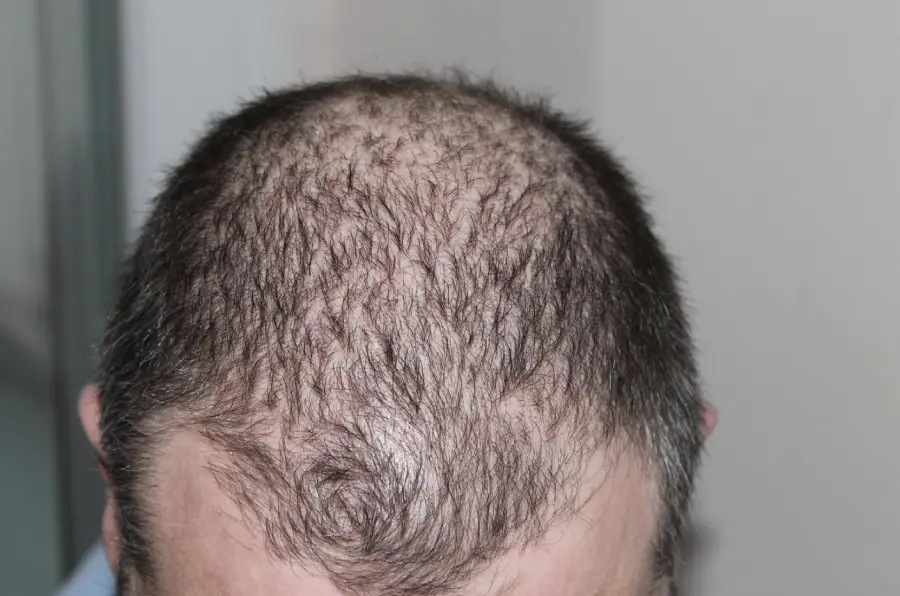
TL;DR: Wearing a normal hat does not cause baldness. Most cases of hair loss are related to genetics, hormones, stress, nutrition, medical conditions, or scalp disease not ordinary hat use. However, very tight hats, helmets, headwear, or hairstyles under hats can contribute to hair breakage, scalp irritation, or traction-related thinning if they create repeated pulling, friction, heat, or pressure. If you have a receding hairline, crown thinning, widening part line, bald patches, or ongoing shedding, the cause is probably not the hat alone.
Does wearing a hat cause hair loss?
Wearing a normal hat does not usually cause hair loss. A loose, clean hat does not block oxygen from the follicles, stop blood flow to the scalp, or directly cause male pattern baldness. Hair follicles receive nutrients through the bloodstream, not from the air around the scalp. The risk appears when the hat is too tight, dirty, sweaty, rough, or constantly rubbing the same areas. In that case, the issue is not “hat wearing” itself. The issue is mechanical stress, friction, scalp irritation, or tension on the hair.
Why do people think hats cause hair loss?
People often blame hats because they notice loose hairs inside the hat after taking it off. This does not always mean the hat caused the hair to fall out. Many of those hairs may already have been in the shedding phase. The hat simply collects them and makes them more visible.
A person may also start wearing hats more often after noticing thinning. In that case, the hat becomes associated with hair loss, even though the hair loss may have started first.
Common reasons people blame hats include:
- Seeing hair inside the cap
- Noticing flatter hair after removing the hat
- Wearing hats to hide thinning
- Feeling scalp sweat or itching after long use
- Having a tight hat that leaves pressure marks
- Confusing normal daily shedding with hat-related loss
The key point is simple: loose hairs in a hat are not proof that the hat caused hair loss.
Can tight hats damage hair?
Tight hats can damage hair if they create repeated pulling, pressure, or friction on the same scalp areas. This is more likely with tight caps, helmets, headwear, bands, or hats worn over tightly pulled hairstyles. Repeated tension can irritate the scalp and weaken hairs over time. Tight hairstyles and repeated scalp tension are recognized risk factors for traction alopecia, a form of hair loss that can improve early but may become more serious if the pulling continues.
The risk is higher when tight headwear is combined with:
- Tight ponytails or buns
- Braids under a hat or helmet
- Wet hair trapped under a tight hat
- Long hours of daily pressure
- Rough inner fabric
- Excessive sweat and poor scalp hygiene
- Existing scalp irritation or dandruff
A normal hat is not the problem. A tight, repetitive, irritating setup can be.
What type of hair loss can hats cause?
Hats are more likely to cause breakage, irritation, or traction-related thinning than true genetic baldness. A hat does not usually create androgenetic alopecia. Male pattern baldness and female pattern hair loss are driven by internal factors, not by ordinary headwear.
| Hair problem | Can hats cause it? | Main reason |
| Male pattern baldness | No | Genetic and hormonal sensitivity |
| Female pattern hair loss | No | Genetic, hormonal, or medical factors |
| Hair breakage | Sometimes | Friction or rough fabric |
| Traction alopecia | Rarely, but possible | Repeated pulling or pressure |
| Scalp irritation | Sometimes | Sweat, heat, friction, or poor hygiene |
| Dandruff flare | Sometimes | Sweat and oil buildup may worsen symptoms |
| Fungal scalp issues | Possible but uncommon | Shared or unclean headwear |
If the hair loss looks patterned, progressive, or patchy, it should not be blamed on a hat without evaluation.
Can wearing a hat every day make you bald?
Wearing a hat every day does not make you bald if the hat is clean, loose enough, and not causing friction or pulling. Daily hat use is usually harmless when the scalp is healthy and the hat fits properly. Problems are more likely when the hat is tight enough to leave marks, causes itching, traps sweat for long periods, or rubs the same area every day.
A safer daily hat routine includes:
- Choose a comfortable fit.
- Avoid hats that pull the hairline.
- Wash hats regularly.
- Let the scalp dry after sweating.
- Avoid wearing tight hats over wet hair.
- Change hat style if one area gets irritated.
- Do not pull hair tightly under the hat.
If hair loss continues after changing these habits, the hat is probably not the main cause.
Can hats cause receding hairline?
Hats do not usually cause a receding hairline. A receding hairline is more often linked with male pattern hair loss. This type of thinning usually starts at the temples or frontal hairline and progresses gradually over time. A very tight hat or tight hairstyle may irritate the frontal hairline, but it does not explain classic genetic recession in most patients. If the hairline is moving back, the better step is to identify the hair loss pattern instead of blaming headwear.
For patients who are unsure whether their hairline is changing from friction, traction, or genetic thinning, a proper evaluation through EsteQuality’shair treatments in Istanbul can help separate temporary damage from progressive hair loss.
Can hats cause hair loss in women?
Hats do not usually cause hair loss in women, but tight headwear combined with tight hairstyles can increase traction-related damage. This is more likely when a hat, scarf, helmet, or cap is worn over tightly pulled hair. Ponytails, buns, braids, extensions, or slicked-back styles can place repeated tension on the same areas, especially around the hairline and temples. Long-term tension can contribute to traction alopecia, which may be reversible early but can become permanent if pulling continues for too long. Women who notice widening part lines, temple thinning, or persistent density loss should not assume the hat is the only cause. Female pattern hair loss, iron deficiency, thyroid imbalance, postpartum shedding, PCOS, or traction alopecia may overlap. If thinning becomes visible or persistent, EsteQuality’swomen’s hair transplant in Istanbul page can help readers understand when surgical restoration may be considered.
Can helmets cause hair loss?
Helmets do not usually cause permanent hair loss, but tight helmets can cause friction, sweating, irritation, or pressure-related breakage. This can affect motorcyclists, cyclists, athletes, military personnel, and workers who wear helmets for long hours. The biggest risks are poor fit, repeated rubbing, trapped sweat, and wearing the helmet over wet or tightly pulled hair.
Helmet-related hair problems are more likely when:
- The helmet is too tight.
- The inner padding rubs the same area daily.
- The scalp stays sweaty for hours.
- The helmet is not cleaned regularly.
- Hair is tied tightly underneath.
- There is existing dandruff, itching, or scalp inflammation.
The solution is not to avoid safety equipment. The solution is better fit, hygiene, scalp care, and reducing tension under the helmet.
Can hats cause dandruff or scalp irritation?
Hats do not directly cause dandruff, but sweat, oil buildup, heat, and poor hygiene can worsen scalp irritation. A hat can trap moisture and oil against the scalp. If the scalp is already prone to dandruff, itching, seborrheic dermatitis, or folliculitis, long daily hat use may make symptoms more noticeable.
Practical prevention steps:
- Wash hats regularly.
- Avoid sharing hats.
- Let the scalp dry after sweating.
- Do not wear tight hats over wet hair.
- Use anti-dandruff shampoo if flakes are recurring.
- Treat scalp itching early before scratching causes breakage.
If scalp symptoms continue, the issue may be dandruff, dermatitis, folliculitis, or fungal infection rather than the hat itself.
How can you prevent hair damage from hats?
You can prevent hat-related hair damage by choosing a looser fit, reducing friction, keeping hats clean, and avoiding tight hairstyles underneath. Most hat-related problems are mechanical. The hair is rubbed, pulled, compressed, or trapped in sweat for too long. Small changes can reduce the risk.
Use this simple checklist:
| Risk | Better habit |
| Tight hat | Choose a looser fit |
| Rough inner fabric | Use smoother materials |
| Sweaty scalp | Wash scalp and hat regularly |
| Wet hair under hat | Let hair dry first |
| Tight ponytail under hat | Keep hair loose |
| Same friction point daily | Rotate hat style or position |
| Scalp itching | Treat the scalp early |
A hat should not leave painful pressure marks, pull the hairline, or cause repeated scalp irritation.
How do you know hair loss is not from your hat?
Hair loss is less likely to be from a hat if it follows a genetic, patchy, or progressive pattern. Hat-related problems usually involve friction, breakage, irritation, or traction. They do not usually cause classic male pattern baldness or female pattern thinning.
Signs the cause is probably not your hat:
- Receding temples
- Crown thinning
- Widening part line
- Round bald patches
- Sudden heavy shedding
- Hair loss that continues after stopping tight hats
- Family history of baldness
- Scalp pain, redness, scaling, or crusting
If the pattern looks progressive, the cause should be diagnosed properly before treatment is chosen.
When should you see a specialist for hair loss?
You should see a specialist if hair loss is progressive, patchy, painful, itchy, or continues after changing hat habits. A hat may be a small trigger, but it is rarely the full explanation for ongoing hair loss. If the hairline, crown, or part line keeps changing, the issue may be androgenetic alopecia, telogen effluvium, alopecia areata, scalp inflammation, or another medical cause.
A specialist evaluation is especially important if you notice:
- Hairline recession
- Crown thinning
- Widening part
- Bald patches
- Scalp itching or burning
- Scaling or redness
- Shedding longer than 3–6 months
- Hair loss after illness, stress, medication, or weight loss
If permanent pattern hair loss is confirmed, options such asDHI hair transplant in Istanbul orSapphire FUE hair transplant may be discussed after donor area and hair loss stage are evaluated.
Can hair grow back after tight hat damage?
Hair can grow back if the problem is early traction, friction, or breakage and the follicles are still healthy. Early traction-related thinning may improve when the pulling stops. Breakage can also improve once friction is reduced and damaged hair grows out. Long-term traction, however, can damage follicles more seriously and may lead to permanent thinning in some cases. The first step is to remove the trigger. That means looser hats, less tension, better scalp hygiene, and avoiding repeated pressure on the same area.
Does wearing a hat cause hair loss? Final verdict
Wearing a normal hat does not cause baldness. The myth comes from seeing loose hairs inside hats and blaming the hat for hair loss that was already happening. In most cases, true hair loss is linked to genetics, hormones, stress, nutrition, medications, scalp disease, or medical conditions. The exception is tight or friction-heavy headwear. Very tight hats, helmets, scarves, or headwear worn over tight hairstyles can contribute to breakage, scalp irritation, or traction-related thinning. The clearest answer is this: hats do not make you go bald, but a tight or irritating hat can worsen hair damage if it repeatedly pulls or rubs the scalp.
Frequently asked questions about hats and hair loss
Can baseball caps cause hair loss?
Baseball caps do not usually cause hair loss if they fit comfortably. A cap may cause irritation or breakage if it is too tight, dirty, sweaty, or constantly rubbing the same area.
Can wearing a beanie cause hair loss?
A beanie does not usually cause hair loss. The risk increases if it is very tight, traps sweat, causes itching, or is worn over wet hair for long periods.
Can helmets cause receding hairline?
Helmets do not usually cause a true receding hairline. A receding hairline is more often linked with male pattern hair loss, while helmets are more likely to cause friction or breakage if they fit poorly.
Is it bad to wear a hat with wet hair?
It is better to avoid wearing a tight hat over wet hair. Wet hair is more fragile, and trapped moisture can increase scalp irritation, friction, and odor.
Can hats make male pattern baldness worse?
Hats do not cause male pattern baldness. However, a tight or irritating hat can make existing hair look flatter, thinner, or more fragile.
Will hair grow back if I stop wearing tight hats?
Hair may grow back if the follicles are not permanently damaged. Early traction or friction-related thinning can improve, but long-term tension may require medical evaluation.
Should I stop wearing hats if I have hair loss?
You do not need to stop wearing hats completely. Choose a clean, loose, breathable hat and get your hair loss pattern evaluated if thinning continues.
