
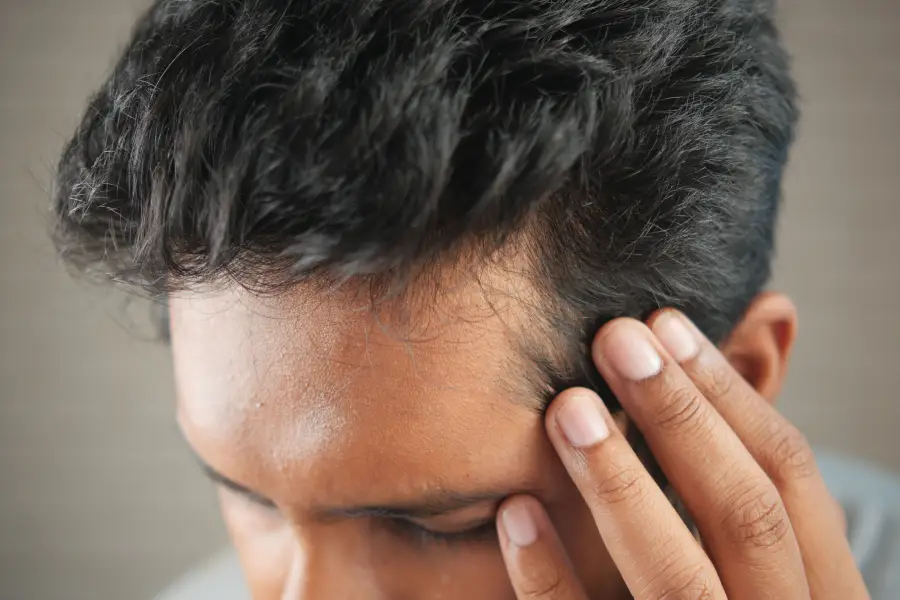
TL;DR: Weight loss can cause hair loss, especially when it is rapid, restrictive, or linked with low protein, low calories, or nutrient deficiencies. The most common pattern is telogen effluvium, a temporary diffuse shedding condition that often starts a few months after the trigger. In most cases, the follicles are still active and the hair can recover once weight loss stabilizes, nutrition improves, and deficiencies are corrected. Persistent thinning, bald patches, crown loss, or a receding hairline should not be assumed to be “just weight loss” because another hair loss condition may be present.
Does weight loss cause hair loss?
Yes, weight loss can cause hair loss when the body experiences rapid metabolic change or nutritional stress. This usually happens after fast weight loss, crash dieting, bariatric surgery, appetite-suppressing medication, or very low-calorie diets. The body may temporarily shift more hairs into the resting phase, which leads to noticeable shedding later.
For patients who are losing weight with medication, the mechanism is often similar. The issue is usually not direct follicle damage. It is more often rapid weight reduction, reduced appetite, low protein intake, and micronutrient imbalance. For a deeper look at GLP-1-related shedding, readers can also see EsteQuality’s guide on semaglutide and hair loss.
Why does hair loss happen after weight loss?
Hair loss after weight loss usually happens because the body reduces support for hair growth during periods of calorie restriction, rapid fat loss, or nutrient deficiency. Hair is not a survival organ. When calories, protein, iron, zinc, B12, folate, or vitamin D become insufficient, the body prioritizes essential systems over hair growth. This can push more follicles into the resting phase and cause diffuse shedding.
Common triggers include:
- Rapid weight loss
- Very low-calorie dieting
- Low protein intake
- Iron or ferritin deficiency
- Zinc deficiency
- Vitamin D or B12 deficiency
- Bariatric surgery
- GLP-1-related appetite reduction
- High physical or emotional stress
- Overtraining with poor recovery
Sudden weight loss and decreased protein intake are both recognized triggers for acute telogen effluvium. Nutritional deficiencies can also affect hair structure and growth quality.
What type of hair loss is linked to weight loss?
The most common type of hair loss after weight loss is telogen effluvium. Telogen effluvium causes diffuse shedding across the scalp. It does not usually create one clean bald patch, and it does not usually start as a classic receding hairline. Patients often notice more hair in the shower, on the pillow, in the brush, or during washing.
| Hair loss pattern | More likely explanation |
| Sudden diffuse shedding | Telogen effluvium |
| Receding hairline | Male pattern hair loss |
| Crown thinning | Androgenetic alopecia |
| Widening part line | Female pattern hair loss |
| Round bald patches | Alopecia areata |
| Broken hairs | Breakage, traction, or harsh styling |
| Itchy, scaly scalp | Scalp inflammation or infection |
This distinction matters because telogen effluvium is usually temporary, while patterned hair loss may need long-term treatment. If the shedding does not match a temporary pattern, a specialist evaluation through hair treatments in Istanbul may help identify the real cause before treatment begins.
When does hair loss start after weight loss?
Hair shedding usually starts 2–4 months after rapid weight loss or major calorie restriction. This delay is one of the main reasons patients do not connect the shedding to weight loss immediately. The follicle first shifts into the resting phase. The hair falls later, when the shedding phase becomes visible.
| Timeline | What usually happens |
| Month 0 | Rapid weight loss, dieting, surgery, or appetite reduction begins |
| Months 1–2 | More follicles shift into the resting phase |
| Months 2–4 | Shedding becomes noticeable |
| Months 3–6 | Shedding may peak or continue |
| Months 6–12 | Density may gradually improve if the trigger is corrected |
Weight-loss-associated telogen effluvium is commonly described as diffuse hair loss following intentional or unintentional rapid weight loss. Bariatric-surgery-related shedding is also often discussed around the months after surgery because of surgical stress, rapid weight change, and nutritional factors.
How long does weight loss hair shedding last?
Weight-loss-related shedding often lasts 3–6 months, but visible density recovery can take longer. The shedding phase may improve before the hair looks full again. New hair grows slowly, so density recovery can take 6–12 months or more depending on the person’s nutrition, weight stability, deficiency status, and baseline hair loss pattern. If shedding continues beyond 6 months, the cause should be reassessed. Chronic telogen effluvium, low ferritin, thyroid imbalance, female pattern hair loss, male pattern hair loss, or scalp inflammation may be involved.
How much weight loss can trigger hair loss?
There is no exact number that triggers hair loss in everyone, but faster and more restrictive weight loss increases the risk. A person can lose a large amount of weight gradually with good nutrition and not shed much hair. Another person can lose less weight quickly through crash dieting and develop noticeable shedding.
Risk is higher when weight loss includes:
- Very low daily calories
- Low protein intake
- Skipping meals
- Rapid loss over a short period
- Bariatric surgery without proper supplementation
- GLP-1 appetite suppression without meal planning
- Heavy exercise with poor recovery
- Existing iron, thyroid, or vitamin deficiency
The practical answer is simple: weight loss itself is not always the problem; rapid and undernourished weight loss is the bigger risk.
Is hair loss after weight loss different in women?
Hair loss after weight loss can affect both men and women, but women may notice diffuse density loss and widening part lines more clearly. Women are also more likely to have overlapping triggers such as low ferritin, postpartum changes, thyroid imbalance, PCOS, restrictive dieting, or female pattern hair loss. This can make weight-loss shedding look more severe or last longer. If the part line keeps widening after shedding improves, the cause may not be temporary telogen effluvium alone. In that case, women may need a separate diagnosis before considering options such as medical treatment, PRP, or women’s hair transplant in Istanbul.
Is hair loss after weight loss permanent?
Hair loss after weight loss is usually not permanent if it is telogen effluvium.
In telogen effluvium, the follicles are typically still active. The issue is a temporary shift in the hair cycle, not permanent follicle destruction. Once weight loss stabilizes, nutrition improves, and deficiencies are corrected, shedding often slows and regrowth gradually follows.
Permanent thinning is more likely if weight loss reveals an existing condition such as male pattern hair loss, female pattern hair loss, alopecia areata, or chronic scalp inflammation. Receding hairline, crown thinning, widening part line, or bald patches should not be treated as simple diet-related shedding.
How can you prevent hair loss while losing weight?
The best prevention is gradual weight loss, enough protein, adequate calories, and early correction of deficiencies. Hair loss risk increases when weight loss is fast and undernourished. Crash dieting, very low-calorie plans, low protein intake, and unmonitored supplementation after bariatric surgery can all increase shedding risk. Sudden weight loss and decreased protein intake are recognized triggers for telogen effluvium.
A safer weight-loss plan should include:
- Gradual weight reduction
- Consistent protein intake
- Enough total calories
- Iron and ferritin monitoring
- Vitamin D, B12, folate, and zinc support when needed
- Strength training and recovery
- No crash dieting
- Medical follow-up after bariatric surgery or GLP-1 treatment
The practical rule is simple: weight loss should reduce fat, not starve the hair cycle.
What should you eat to reduce hair loss after weight loss?
Hair recovery needs protein, iron, ferritin, zinc, vitamin D, B12, folate, healthy fats, and enough calories. Protein is the most important starting point because hair fibers are built from amino acids. If appetite is low, protein often drops first. This is common after strict dieting, bariatric surgery, or appetite-suppressing medication.
| Nutrient | Why it matters |
| Protein | Supports hair fiber production |
| Iron / ferritin | Low levels can worsen diffuse shedding |
| Zinc | Deficiency may affect hair growth |
| Vitamin D | Supports normal hair-cycle function |
| B12 / folate | Supports healthy cell turnover |
| Healthy fats | Supports scalp and skin health |
| Calories | Very low intake can trigger more shedding |
Supplements should not be random. They are most useful when blood tests show deficiency or when intake is clearly restricted.
What tests should you check for hair loss after weight loss?
Persistent shedding after weight loss should be checked with blood tests and scalp evaluation. Weight loss may be the trigger, but it may not be the only cause. A patient can have rapid weight loss and also have low ferritin, thyroid imbalance, vitamin D deficiency, PCOS, postpartum shedding, or genetic hair loss.
Common checks include:
- Ferritin
- Serum iron
- Complete blood count
- Vitamin D
- Vitamin B12
- Folate
- Zinc
- Thyroid function
- Hormonal assessment when needed
- Scalp and hair-density examination
The goal is to separate temporary shedding from progressive hair loss. Treatment changes completely depending on the diagnosis.
Is hair loss from weight loss common with GLP-1 medications?
Hair shedding can happen during GLP-1-related weight loss, but the likely trigger is rapid weight reduction and reduced nutrient intake. GLP-1 medications can reduce appetite significantly. Some patients eat less protein, skip meals, or lose weight quickly. That can create the same telogen effluvium pattern seen after crash dieting or other rapid weight-loss methods. The medication itself should not be stopped without medical advice. The better approach is to review weight-loss speed, protein intake, nausea, vomiting, calorie intake, and lab values.
Can bariatric surgery cause hair loss?
Yes, bariatric surgery can cause temporary hair shedding, especially within the first months after surgery. The cause is usually multifactorial: surgical stress, rapid weight loss, low calorie intake, and possible nutrient deficiencies. Bariatric-surgery-related telogen effluvium is commonly described as diffuse hair shedding around the months after surgery, and nutritional deficiencies can make shedding more persistent.
Post-bariatric patients should not treat hair loss with random supplements only. They need structured nutritional monitoring because absorption and intake may both change after surgery.
When should you see a doctor for hair loss after weight loss?
You should see a doctor if shedding is severe, lasts more than 3–6 months, forms patches, or affects the hairline, crown, or part line. Mild diffuse shedding after weight loss can improve. But visible pattern changes need diagnosis.
See a specialist if you notice:
- Shedding longer than 6 months
- Receding hairline
- Crown thinning
- Widening part line
- Round bald patches
- Scalp itching, redness, scaling, or pain
- Hair loss after bariatric surgery
- Hair loss after GLP-1 treatment with poor intake
- Fatigue, heavy periods, thyroid symptoms, or anemia signs
The safest approach is to identify the cause before choosing treatment.
Can weight-loss hair loss need a hair transplant?
Weight-loss-related telogen effluvium usually does not need a hair transplant. A hair transplant is not the right first step if follicles are still active and shedding is temporary. In that case, the priority is nutrition, lab testing, weight stabilization, and monitoring.
A transplant may be considered only if weight loss reveals stable permanent hair loss. This can happen with male pattern baldness, female pattern hair loss, or long-standing density loss that does not recover after the shedding phase.
| Situation | Better next step |
| Diffuse shedding after weight loss | Nutrition and lab assessment |
| Low ferritin or vitamin deficiency | Correct the deficiency |
| Post-bariatric shedding | Medical nutrition follow-up |
| GLP-1-related shedding | Review intake and weight-loss speed |
| Receding hairline or crown thinning | Pattern hair loss evaluation |
| Stable permanent hair loss | Hair transplant planning |
If permanent pattern loss is confirmed, methods such as DHI hair transplant in Istanbul may be discussed after donor area and hair loss stage are evaluated.
How can you support regrowth after weight-loss hair loss?
Regrowth is supported by stabilizing weight, correcting deficiencies, eating enough protein, and avoiding new stress on the hair. The first sign of recovery is usually less shedding. Visible density comes later. Hair grows slowly, so patients should not expect full recovery in a few weeks.
Useful steps include:
- Keep weight loss gradual
- Eat protein at every meal
- Correct confirmed deficiencies
- Avoid crash diets
- Reduce harsh bleaching and heat styling
- Treat dandruff or scalp inflammation early
- Sleep consistently
- Recheck labs if shedding continues
The key message is simple: regrowth needs time and internal stability.
Does weight loss cause hair loss? Final verdict
Weight loss can cause temporary hair shedding, especially when it is rapid, restrictive, or nutritionally unbalanced. The most common pattern is telogen effluvium. It usually appears months after the trigger and often improves when weight loss stabilizes and nutrition is corrected. Nutritional deficiency can affect both hair structure and hair growth, which is why diet quality matters as much as the number on the scale.
Persistent thinning, bald patches, crown loss, or a receding hairline should not be blamed on weight loss alone. Those patterns need proper diagnosis.
Frequently asked questions about weight loss and hair loss
Will hair grow back after weight loss hair loss?
Yes, hair often grows back if the shedding is telogen effluvium and the trigger is corrected. Recovery takes time because shedding may stop before density returns.
Can rapid weight loss cause bald spots?
Rapid weight loss usually causes diffuse shedding, not clean bald spots. Round bald patches may suggest alopecia areata or another condition that needs evaluation.
Does dieting cause hair loss?
Yes, restrictive dieting can cause hair loss when it leads to low calories, low protein, or nutrient deficiencies. Crash diets are a higher risk than gradual, balanced weight loss.
Can low protein cause hair loss?
Yes, low protein intake can contribute to hair shedding. Hair fiber production needs amino acids, so protein is one of the first things to check after weight-loss-related shedding.
Can Ozempic or Wegovy weight loss cause hair loss?
Hair shedding can happen during Ozempic or Wegovy-related weight loss, especially if weight drops quickly or nutrition becomes poor. The likely mechanism is usually weight-loss stress and reduced intake, not direct permanent follicle damage.
Can bariatric surgery cause hair loss?
Yes, bariatric surgery can cause temporary shedding, especially in the months after surgery. Surgical stress, rapid weight loss, and nutritional changes can all contribute.
Should I take biotin after weight loss?
Biotin is not automatically needed unless intake is restricted or deficiency is suspected. Protein, iron, ferritin, vitamin D, B12, folate, zinc, and thyroid status are usually more important to evaluate first.
